

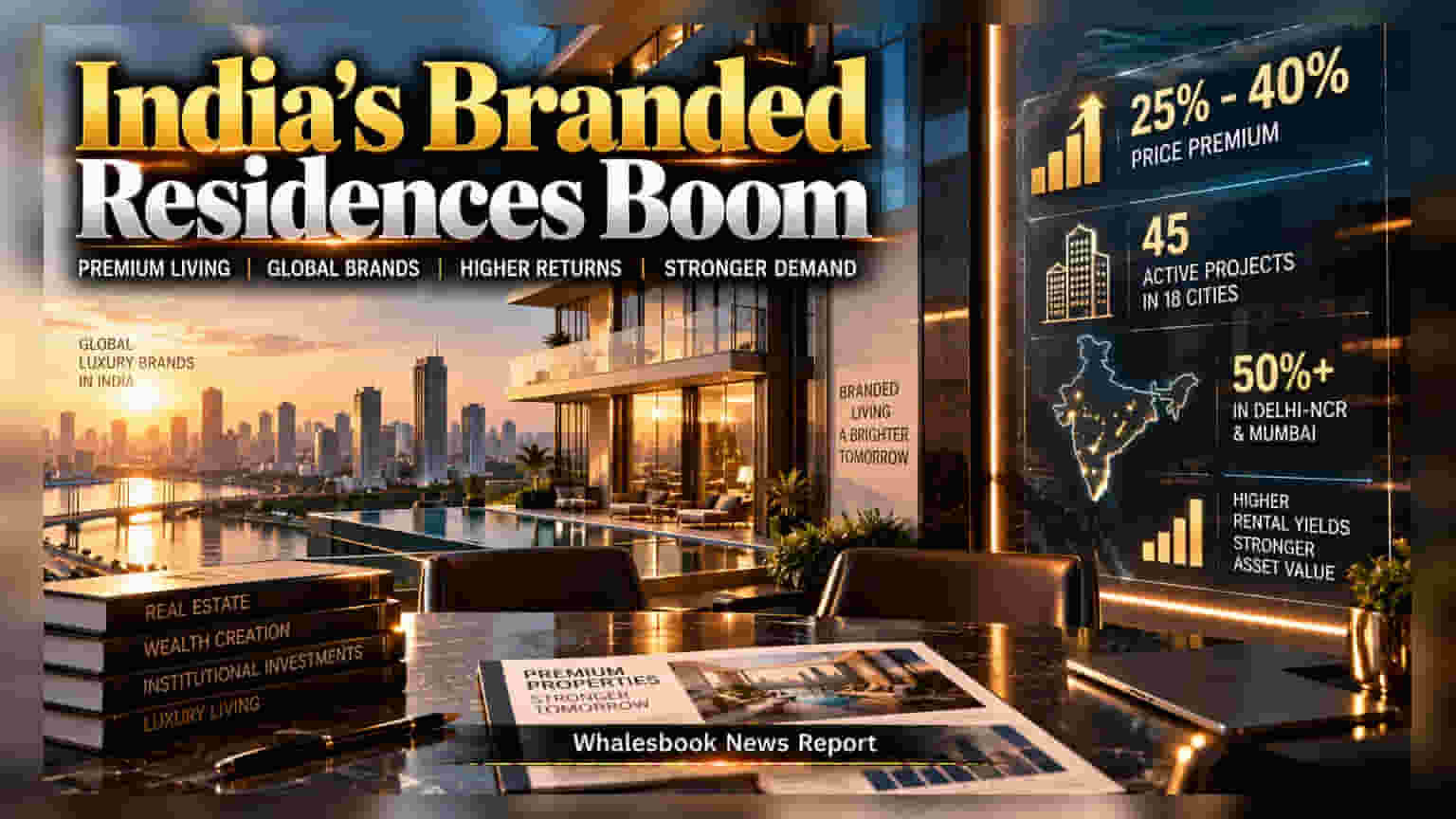
India’s branded residences market now spans 45 projects across 18 cities, with homes selling at a 25% to 40% premium over standard luxury units. While institutional capital from firms like HDFC and ICICI Prudential is entering the space, investors should note the higher maintenance costs and specific liquidity risks associated with these premium assets.
The branded residential sector in India is expanding beyond its initial niche, with 45 active projects currently spread across 18 cities. These developments, which partner with international hospitality brands to offer hotel-like services and amenities, are increasingly being viewed as a distinct institutional asset class rather than just high-end homes.
Why These Homes Command a Premium
Data indicates that branded residences often trade at a 25% to 40% markup compared to similar unbranded luxury properties. This price gap is primarily driven by the trust associated with hospitality brands, consistent service quality, and premium amenities that are difficult to replicate in standard luxury developments. For buyers and investors, the value proposition lies in the potential for higher rental yields and long-term asset appreciation, though these benefits are often balanced against significantly higher maintenance and management fees.
Institutional Interest and Market Concentration
Over 50% of these branded projects are concentrated in the Delhi-NCR and Mumbai regions, where high-net-worth liquidity is strongest. However, the sector is also drawing attention from major financial institutions. Representatives from HDFC Bank, ICICI Prudential, and Motilal Oswal Alternates are expected to discuss the evolving financing landscape for these assets. This institutional participation suggests a shift toward more structured, long-term investment models, such as sale-and-leasebacks, which prioritize stable performance over speculative gains.
Investor Monitorables and Risks
While the market is growing, investors should remain aware of specific challenges. The primary risk involves the long-term management of these properties. Unlike standard residential units, branded residences require specialized maintenance standards to retain their premium status. If the service quality dips, the brand value may erode, impacting resale prices.
Additionally, the liquidity of these assets is often lower than standard housing due to the smaller pool of buyers who can afford such price premiums. Regulatory compliance, particularly under RERA (Real Estate Regulatory Authority) standards, and the ability of developers to deliver projects on time remain critical monitorables. As the market looks toward the upcoming Branded Residences Summit in October 2026, the focus will likely be on standardizing deal architecture and refining operator screening to ensure that these developments can sustain their value post-handover.