

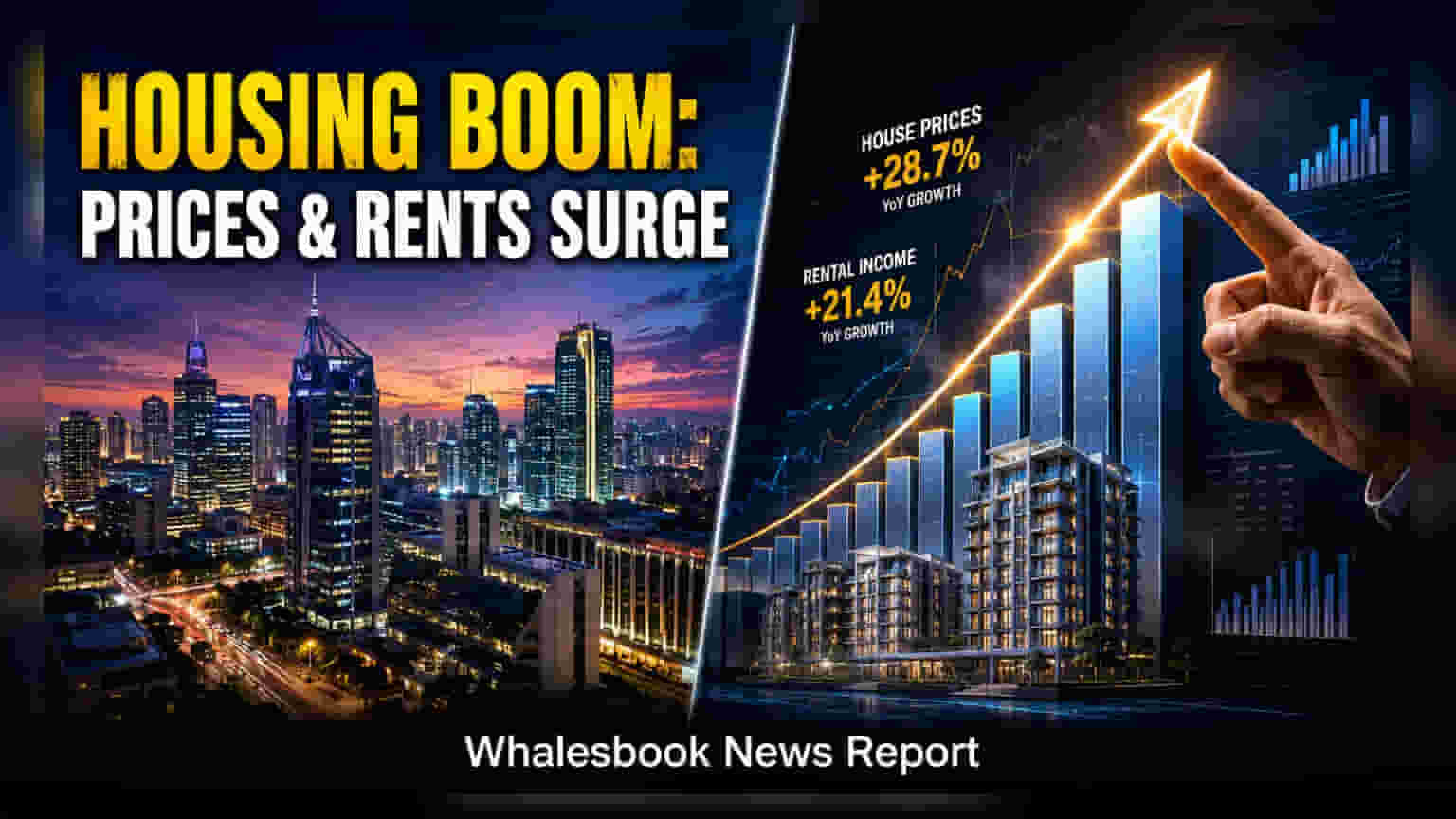
India’s residential real estate market is seeing a unique trend with home prices and rents rising together, defying past norms. Noida and Gurugram are leading the capital price surge, while Bengaluru and Hyderabad see significant rental yield growth. Driven by strong demand from young professionals and GCC expansions, this shift also brings concerns over rising living costs and construction inflation.
India's residential property market is experiencing a notable shift, with both property values and rental rates climbing simultaneously. Historically, rising home prices often meant rental income struggled to keep pace. However, recent industry data suggests this correlation has broken, with major cities seeing robust growth in both areas.
The Price and Yield Leaders
The growth is not uniform across all regions. Market analysis shows that Noida and Gurugram have emerged as the frontrunners in terms of capital appreciation. Home prices in these regions have surged, with Noida recording a 125% rise and Gurugram following closely with a 117% increase.
While Northern markets lead in asset price growth, the Southern cities are the current hotspots for rental returns. Bengaluru and Hyderabad have recorded the most significant improvement in rental yields, with both cities gaining 100 basis points. This suggests that while property prices are high, there is enough demand from tenants to support rising rents, providing a better return for property owners than in previous years.
Demand Drivers and Structural Changes
This trend is fueled by several factors. The expansion of Global Capability Centres (GCCs) and a growing number of young, salaried professionals moving to urban centers are driving the demand for housing. These demographics often prefer high-end, gated communities that offer better amenities.
Luxury and premium housing segments have dominated recent new supply, accounting for over half of the new residential launches. This preference for high-quality housing is keeping prices elevated in sought-after micro-markets, as developers focus on projects that align with the aspirations of modern home buyers and renters.
Risks and Market Monitorables
Despite the positive sentiment, the market faces specific pressures. A primary concern is the rising cost of living for tenants, as a growing portion of household income is now directed toward rent. This could eventually impact demand if rental costs become unsustainable.
From a developer's perspective, while demand remains strong, construction cost inflation is a persistent challenge. Developers must balance high building costs with the need to keep homes affordable. Furthermore, there is a risk of potential oversupply in specific micro-markets if new project launches continue to outpace the actual occupancy or demand in those areas. Investors and prospective homebuyers should keep a close watch on supply-demand balances in their specific regions and the ongoing impact of construction inflation on project pricing.