

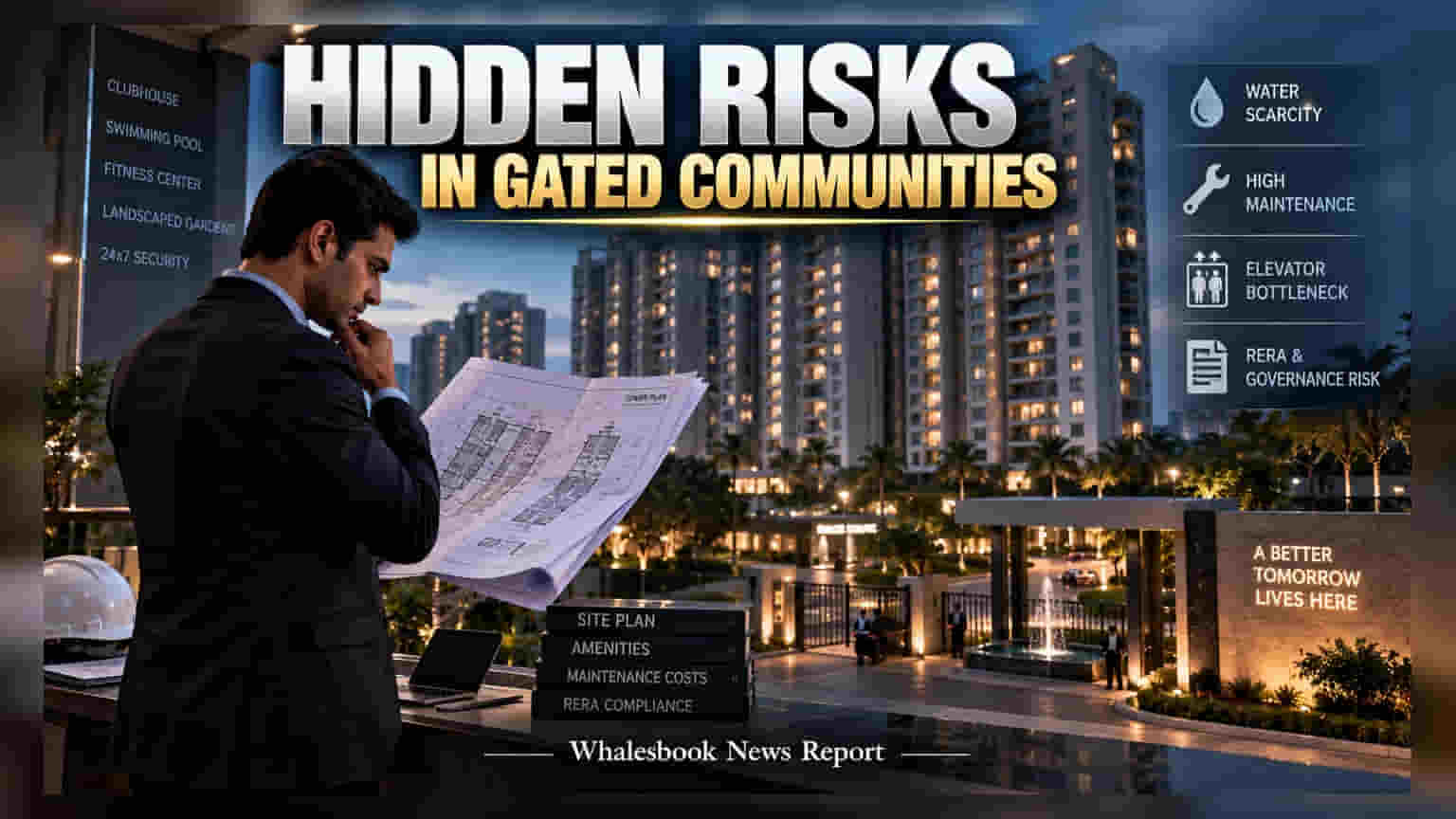
Investing in modern high-rise apartments requires looking beyond the purchase price. Hidden costs like water dependency, high maintenance, and poor infrastructure planning can drain your returns and lower the property’s long-term resale value.
When evaluating a high-rise residential investment, the property price is only the beginning. For serious real estate investors and homebuyers in India, the long-term value of an apartment depends heavily on infrastructure sustainability and operational efficiency. Ignoring these details can lead to unexpected financial burdens and difficulty in finding tenants or buyers later.
Water and Utility Sustainability
One of the most critical factors often overlooked is the long-term cost of water and sewage management. Many high-rise developments, especially in rapidly expanding urban zones, struggle with water scarcity. If a project relies heavily on private water tankers instead of a reliable municipal supply or a robust private water treatment setup, the recurring cost for residents rises significantly. This creates a permanent, inflating financial liability that can hurt your rental yield or make the property harder to sell. Investors should specifically check the project’s dependence on tanker deliveries and verify if there is an operational sewage treatment plant, which is essential for long-term utility efficiency.
Maintenance Fees and Capital Preservation
Maintenance fees are a recurring expense that directly impacts your net return on investment. Large, luxurious amenities like massive clubhouses or multiple swimming pools often come with high, increasing maintenance premiums. It is vital to assess if the project has a well-funded sinking fund. This is a reserve of money specifically set aside for major capital repairs—such as replacing elevators, repairing exterior structural elements, or fixing plumbing systems. A project without a clear plan to fund these major future repairs may force residents to pay large, sudden 'special assessments' or extra charges, which can catch owners by surprise.
Vertical Mobility and Operational Risks
In high-rise structures, elevator capacity is a direct driver of resident satisfaction and property desirability. A low ratio of elevators to total apartments often results in long waiting times during peak hours, which can discourage potential tenants. A common oversight is the lack of a dedicated service elevator, which is necessary for large deliveries and medical emergencies. Buildings where maintenance is reactive, rather than proactive, tend to suffer from more frequent mechanical failures, which lowers the quality of life and potentially hurts the asset’s resale value.
Governance and RERA Compliance
Finally, the transition of property management from the developer to the Residents’ Welfare Association (RWA) is a high-risk event. If the project lacks a clear, transparent transition plan, the society’s infrastructure may degrade rapidly. When evaluating a property, look for RERA-compliant project documents that detail the handover timeline. A poorly managed transition often leads to neglected common areas and governance disputes, both of which erode the long-term value of your real estate investment. Investors should ask for details on how the infrastructure will be handed over and who will be responsible for the initial maintenance corpus.