

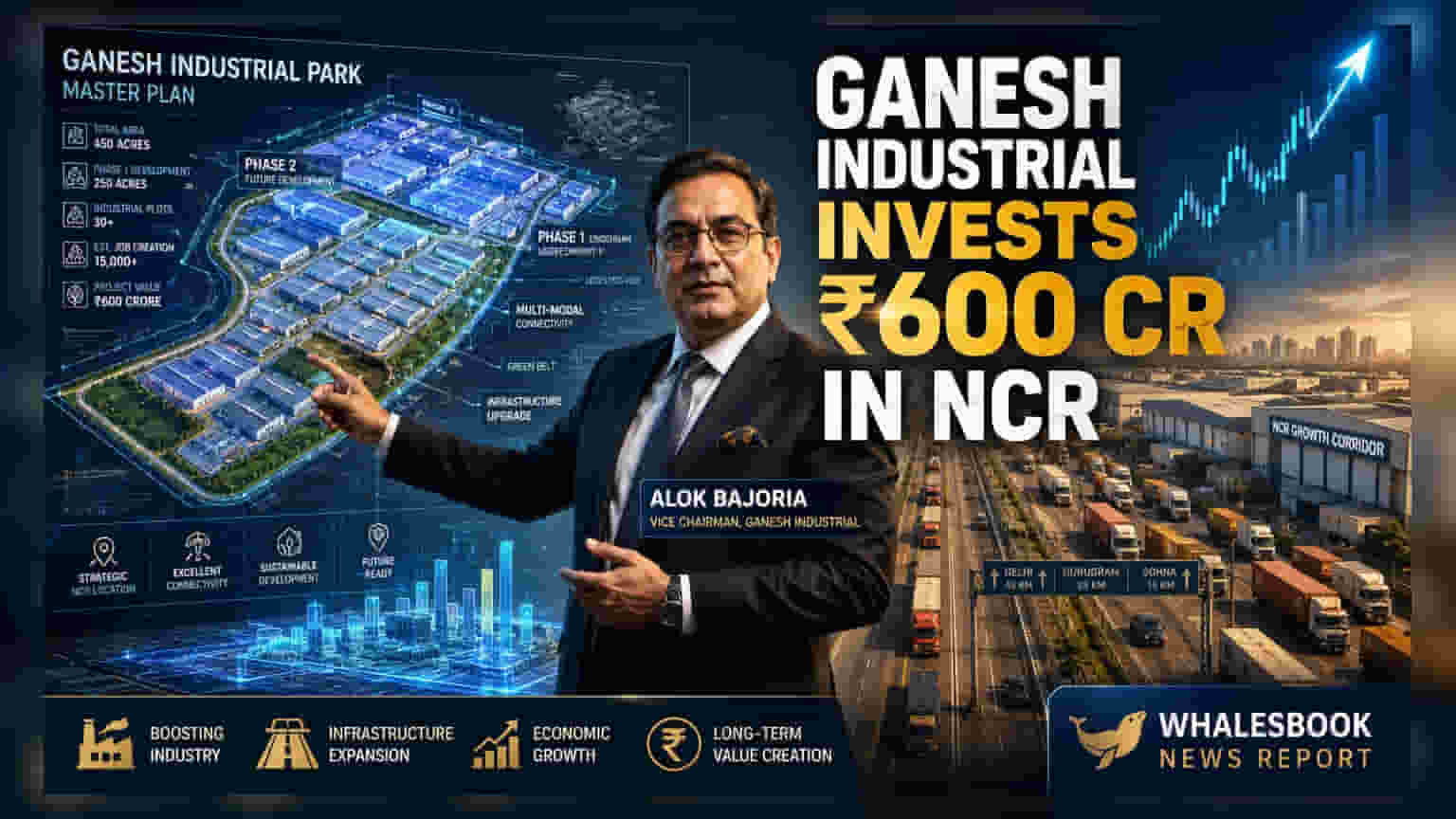
Ganesh Industrial Complex has announced a ₹600 crore investment to develop 110 acres of industrial parks in the Delhi-NCR region. The project targets rising demand for highway-connected manufacturing and logistics hubs. Investors should note the company's focus on land sales rather than leasing, which impacts its cash flow model and growth strategy.
What Happened
Ganesh Industrial Complex has announced plans to invest ₹600 crore toward expanding its industrial infrastructure footprint in the Delhi-NCR region. The company is currently developing an industrial park in Sohna, Haryana, and is in the process of acquiring additional land to reach a target of approximately 110 acres of developed area. This move is part of the developer’s strategy to leverage its existing land bank, which exceeds 2,500 acres across Delhi-NCR and West Bengal.
The Business Model and Revenue Impact
Unlike many real estate developers that rely on long-term rental income from leasing warehouses or factory space, Ganesh Industrial Complex primarily earns revenue through the direct sale of developed industrial plots. For investors, this creates a 'lumpy' revenue profile, meaning income is recognized primarily when land is sold rather than through steady monthly rents. While this model can lead to significant cash inflows upon project completion, it also means the company’s financial performance is more sensitive to the speed of sales and buyer demand in any given quarter.
Scaling Infrastructure in NCR
The company claims a track record of developing over 43.79 million square feet of industrial space and serving more than 1,000 clients. By replicating the industrial cluster model it previously utilized in eastern India, the management aims to attract manufacturing and warehousing firms that require ready-to-use land with regulatory approvals and logistics connectivity. Major companies including Amazon, Reliance, and Flipkart are among those that have established facilities in their existing parks, which provides some credibility to their ability to attract anchor tenants.
The Funding and Execution Risk
Investors should consider the financial implications of a ₹600 crore capital expenditure. Such large spending on land acquisition and infrastructure development typically requires significant capital. It is important to watch whether this expansion is funded through internal cash reserves or through increased debt. Higher borrowing levels can put pressure on the company’s interest expenses and net profit margins, especially if the sales of these new industrial plots do not materialize according to the expected timeline.
What To Watch Next
Key monitorables for investors include the pace of land acquisition in Haryana, the actual sales volume of the developed plots once the park becomes operational, and the company’s debt-to-equity ratio in the upcoming quarterly results. Additionally, tracking the overall demand in the manufacturing and logistics sector for the Delhi-NCR region will be vital, as any slowdown in industrial activity could delay the monetization of these newly developed assets.