 Whalesbook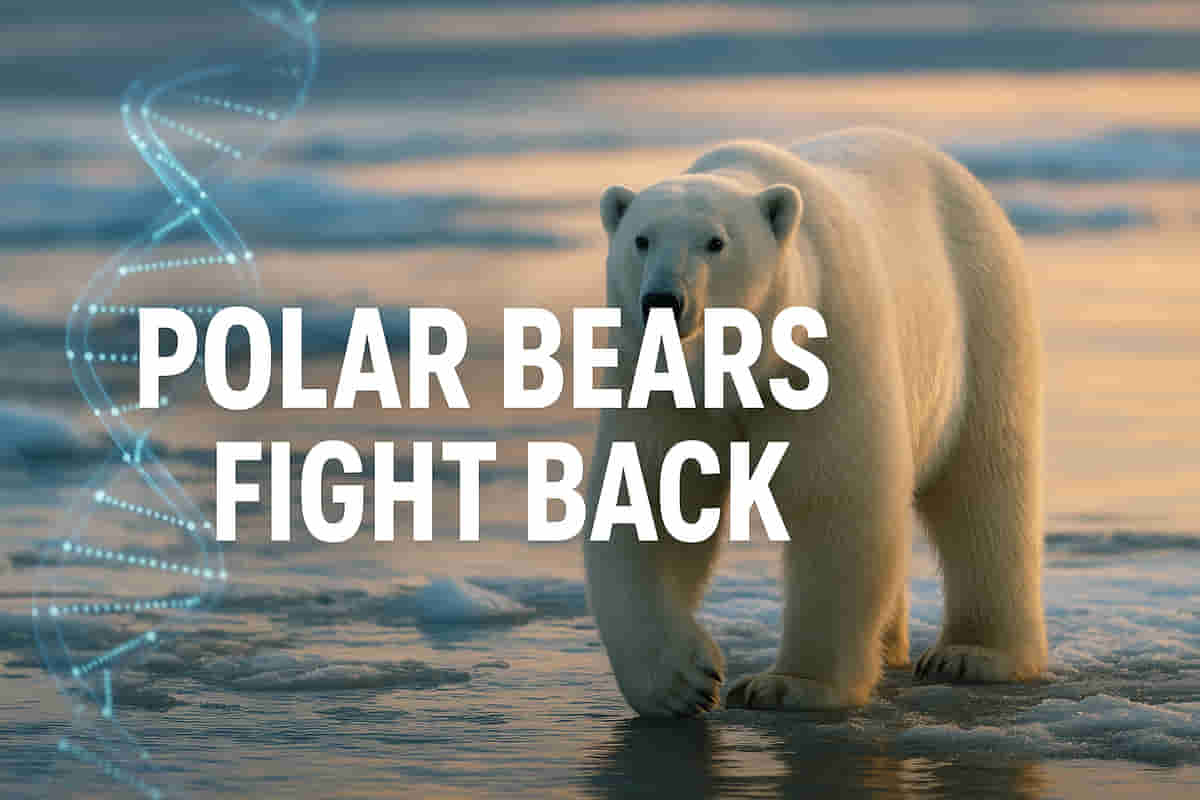


Polar Bears Show Genetic Evolution in Fight for Survival
The iconic polar bear, a symbol of the rapidly warming Arctic, may be adapting to its changing environment at a fundamental genetic level. A new study by the University of East Anglia (UEA) in the United Kingdom reveals that a subset of polar bears in southeastern Greenland is undergoing significant DNA changes, offering a potential pathway to survival in a warming world.
The Adaptation Challenge
The research highlights stark environmental differences across Greenland. While northeastern regions remained colder and more stable, the southeastern part of the island presented a significantly warmer and less icy habitat. This challenging environment mirrors future conditions predicted for polar bear populations globally, making the southeastern bears a crucial subject for studying adaptation.
Genetic Clues to Survival
Scientists analyzing blood samples from both northeastern and southeastern polar bear populations identified distinct genetic behaviors. In the warmer southeastern region, genes related to heat-stress, aging, and metabolism were observed to be behaving differently. Crucially, changes were also noted in gene expression areas linked to fat processing, vital for survival when food is scarce.
This suggests that these bears might be slowly adapting to consume more plant-based diets available in warmer regions, a significant departure from the primarily fatty, seal-based diets of their northern counterparts. The study focused on the activity of ‘jumping genes’—mobile genetic elements that can influence how other genes function.
Scientific Methodology
Lead researcher Dr. Alice Godden from UEA’s School of Biological Sciences explained that the team used a technique called RNA sequencing. This method allowed them to examine RNA expression, the molecules that signal which genes are active, providing a detailed picture of gene activity, including the behavior of jumping genes.
“We identified several genetic hotspots where these jumping genes were highly active, with some located in the protein-coding regions of the genome, suggesting that the bears are undergoing rapid, fundamental genetic changes as they adapt to their disappearing sea ice habitat,” Dr. Godden stated in a university release.
Historical Isolation and Future Threats
This current research builds upon previous findings from the University of Washington, which had discovered that the southeastern Greenland polar bear population was genetically distinct from the northeastern group. This divergence is believed to have occurred after the populations became separated approximately 200 years ago.
The future for polar bears remains precarious. Over two-thirds of the global polar bear population is predicted to become extinct by 2050, with total extinction anticipated by the end of the century. The Arctic Ocean is experiencing unprecedented warming, leading to a severe reduction in the vital sea ice platforms that polar bears rely on for hunting seals, resulting in increased isolation and food scarcity.
Next Steps and Conservation Urgency
Dr. Godden indicated that the next phase of research will involve examining other polar bear sub-populations worldwide, of which there are around 20. “I also hope this work will highlight the urgent need to analyse the genomes of this precious and enigmatic species before it is too late,” she added.
Impact
This study offers critical insights into the resilience and adaptive capacity of species facing rapid environmental changes. The findings could inform conservation strategies for polar bears and other wildlife threatened by climate change. It underscores the profound impact of global warming on biodiversity and the delicate Arctic ecosystem. The research also serves as a stark reminder of the ongoing climate crisis.
Impact Rating: 4/10
Difficult Terms Explained
- Jumping genes: Also known as transposable elements, these are DNA sequences that can move from one location in the genome to another. They can affect gene function and expression, driving genetic variation and evolution.
- Gene expression: The process by which information from a gene is used in the synthesis of a functional gene product, such as a protein. It determines which genes are active and how much of their product is made.
- RNA sequencing: A laboratory technique used to discover and quantify RNA transcripts in a biological sample at a given moment in time. It provides a snapshot of the active genes (gene expression) within a cell or organism.