 Whalesbook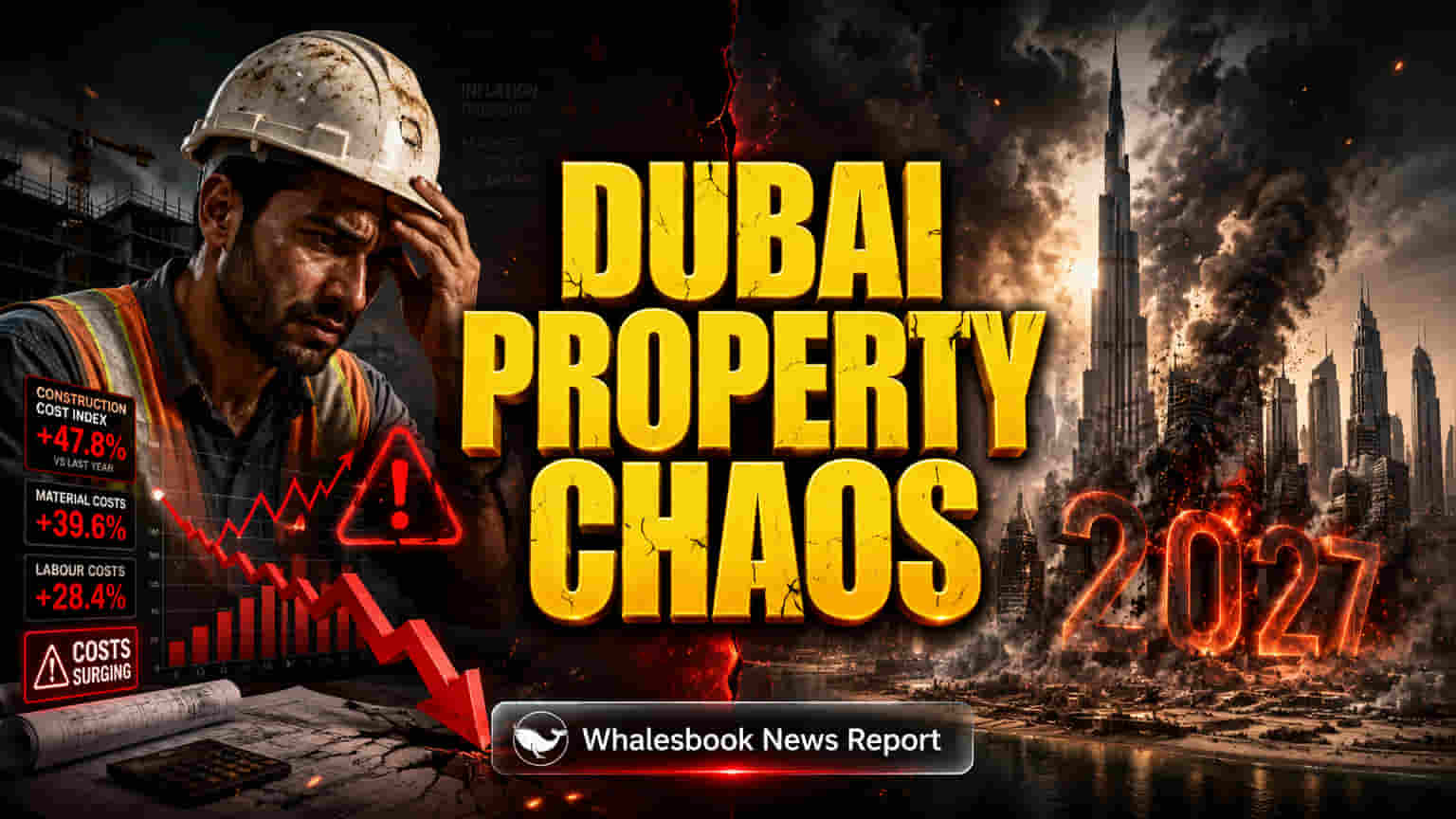


Supply Chain Strain Worsens
The conflict in the Middle East is significantly disrupting Dubai's property sector, pushing project delivery times back by an estimated six to nine months. This affects a large number of the 45,000 units scheduled for handover in 2026, meaning many will now be completed in 2027 or later. The main problems are supply chain issues and rising costs, with overall construction expenses reportedly increasing by up to 30%. Key imported materials, such as high-quality ceramics and aluminum facade panels, have seen prices jump between 18% and 28%. Shipping services rerouting around conflict zones have also greatly extended transit times. Major aluminum producers in the Gulf region, including Emirates Global Aluminium in Abu Dhabi and Aluminium Bahrain, have faced production disruptions, worsening material shortages and driving up costs.
Financing Gets Tougher, Developers Guard Cash
Developers are finding it harder to get loans as banks become more cautious. Lenders are tightening their lending rules, particularly for projects that depend on escrow account financing. Fitch Ratings has noted that a long regional conflict could cause cash flow problems for UAE real estate companies. This is especially true for smaller firms dealing with higher upfront costs and increasing debt expenses across the GCC, which have hit five-year highs. Banks now view smaller projects as high-risk, making loans expensive and difficult to obtain. As a result, UAE home builders are expected to prioritize saving cash and managing risks over aggressive expansion, likely leading to fewer new projects and slower land purchases.
Regional Growth Contrasts: Saudi Arabia Booms While Dubai Adjusts
While Dubai works through these challenges, neighboring Saudi Arabia is experiencing strong growth driven by its Vision 2030 plans. The Saudi residential construction market is set to expand significantly, supported by ambitious mega-projects like NEOM and new rules for foreign ownership attracting substantial international investment. Qatar's construction sector also expects steady growth, fueled by its national vision and infrastructure development, though it faces its own challenges with fluctuating material prices. The UAE, however, remains the region's leader in impactful real estate development, hosting many top projects, but its market is now undergoing a necessary adjustment.
Early Projects Most At Risk, Investors Hesitate
The projects most vulnerable are those in their early development stages. Nearly 58% of active projects are currently between 0-20% complete, making them more susceptible to supply chain disruptions, labor shortages, and cost increases. Geopolitical tensions have also caused a noticeable slowdown in the pace of property sales and investor interest. Activity at the entry-level of Dubai's property market has reportedly dropped by 40% in the past year. Off-plan properties are taking longer to sell, and deals are closing beyond typical timelines. Common price negotiations, typically between 10-15%, are now frequent for properties priced between AED 1 million and AED 2.5 million. Although Dubai's market has historically shown resilience, the current mix of geopolitical risk, fragile supply chains, and tighter financing presents a significant test.
Market Faces Correction, Developers Focus on Liquidity
Analysts predict a market correction for Dubai's property sector, possibly lasting six to nine months. Developers are shifting towards structured incentives rather than simple price cuts to keep sales moving amid buyer caution. While strong fundamentals like population growth and favorable tax policies continue to support demand, developers' immediate focus will be on managing cash flow and project timelines carefully. The market's ability to handle these combined pressures will be closely watched, especially with a significant pipeline of over 482,000 units currently under construction.