 Whalesbook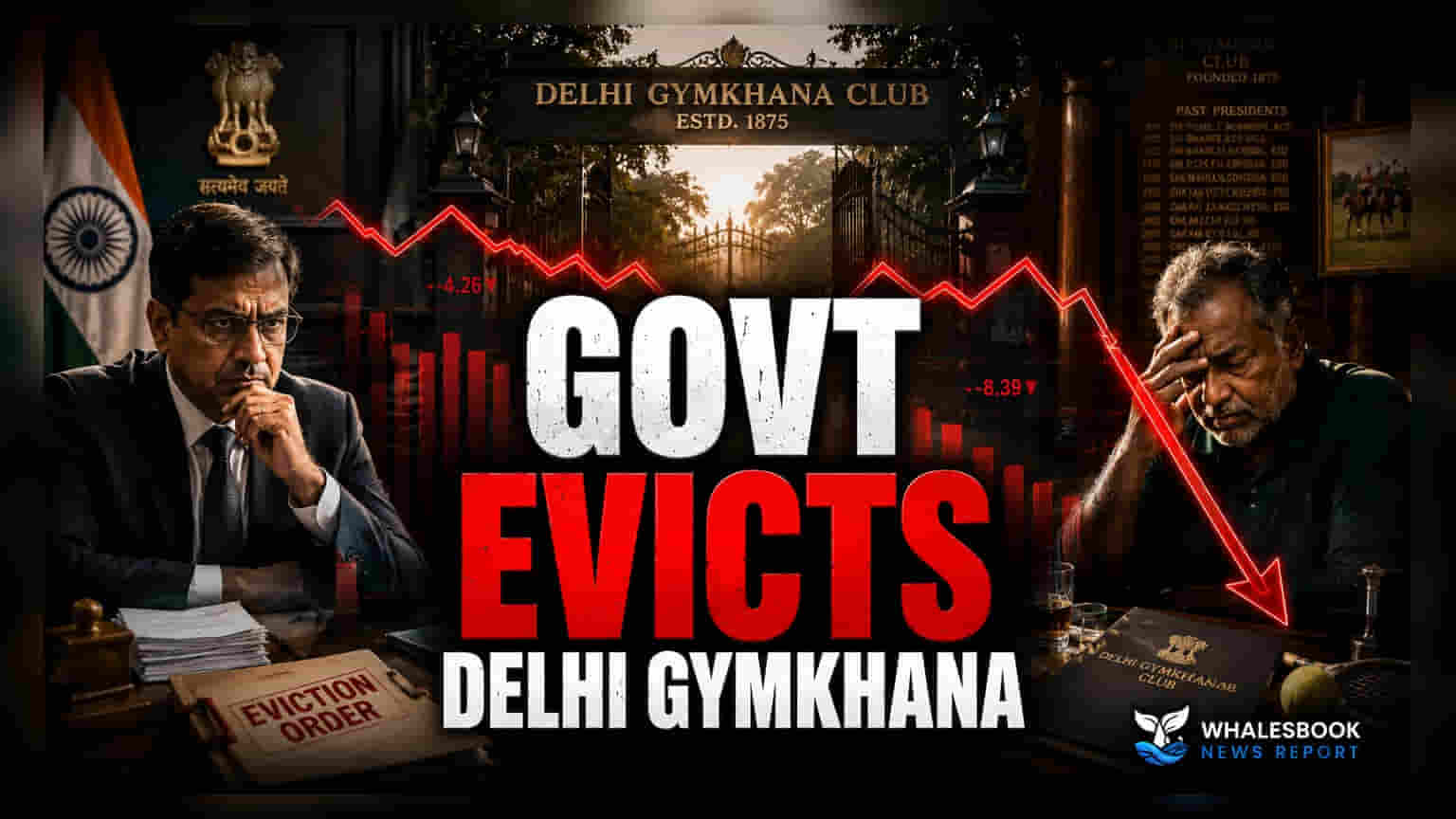


The Shift in State Asset Strategy
The abrupt termination of the lease agreement by the Land and Development Office functions as more than a local dispute; it serves as a signal that the state is re-evaluating the utility of its vast Lutyens' Delhi land bank. While the surface-level narrative focuses on governance oversights and financial transparency, the underlying reality suggests a broader mandate to reclaim high-value real estate. By demanding possession of the 27.3-acre site, the administration is effectively signaling that historical prestige no longer grants immunity against current market-valuation expectations or national security consolidation plans.
The Precedent for Institutional Leaseholds
This action creates significant ripple effects for various clubs and social institutions operating on government-owned land across India. Investors and urban planners are watching this case closely, as it challenges the assumption of perpetual renewals for colonial-era lease structures. Unlike commercial real estate where leases are strictly defined by performance and rent growth, institutional leases in Delhi have historically relied on informal social stability. The government's willingness to bypass traditional renewal cycles suggests that any entity occupying state land with expiring or expired terms now faces a high risk of forced transition or steep rent escalations.
The Forensic Risk Analysis
From a risk management perspective, the club’s situation is increasingly precarious due to its lack of legal protection against state eminent domain. The Delhi High Court’s decision to decline an interim stay, relying only on the Solicitor General’s promise of due process, provides no long-term security. Furthermore, the club’s reliance on historical legacy provides little leverage against modern administrative mandates. The potential for redevelopment or integration into the security buffer for the Prime Minister’s residence makes the land’s strategic value far higher than its current social utility. Institutions holding similar leases should expect increased scrutiny regarding membership transparency and financial accountability as the state shifts from a permissive landlord to a profit-oriented asset manager.
Future Implications for Lutyens' Zone
The outcome of this legal standoff will likely dictate the fate of other neighboring estates. As the central government continues its modernization of the capital, the focus on non-productive land use becomes a liability. Should the eviction proceed, it will establish a clear framework for the reclamation of government property, potentially triggering a wave of lease audits that could force several long-standing, exclusive institutions to relocate or restructure their financial models entirely to match current land market rates.