

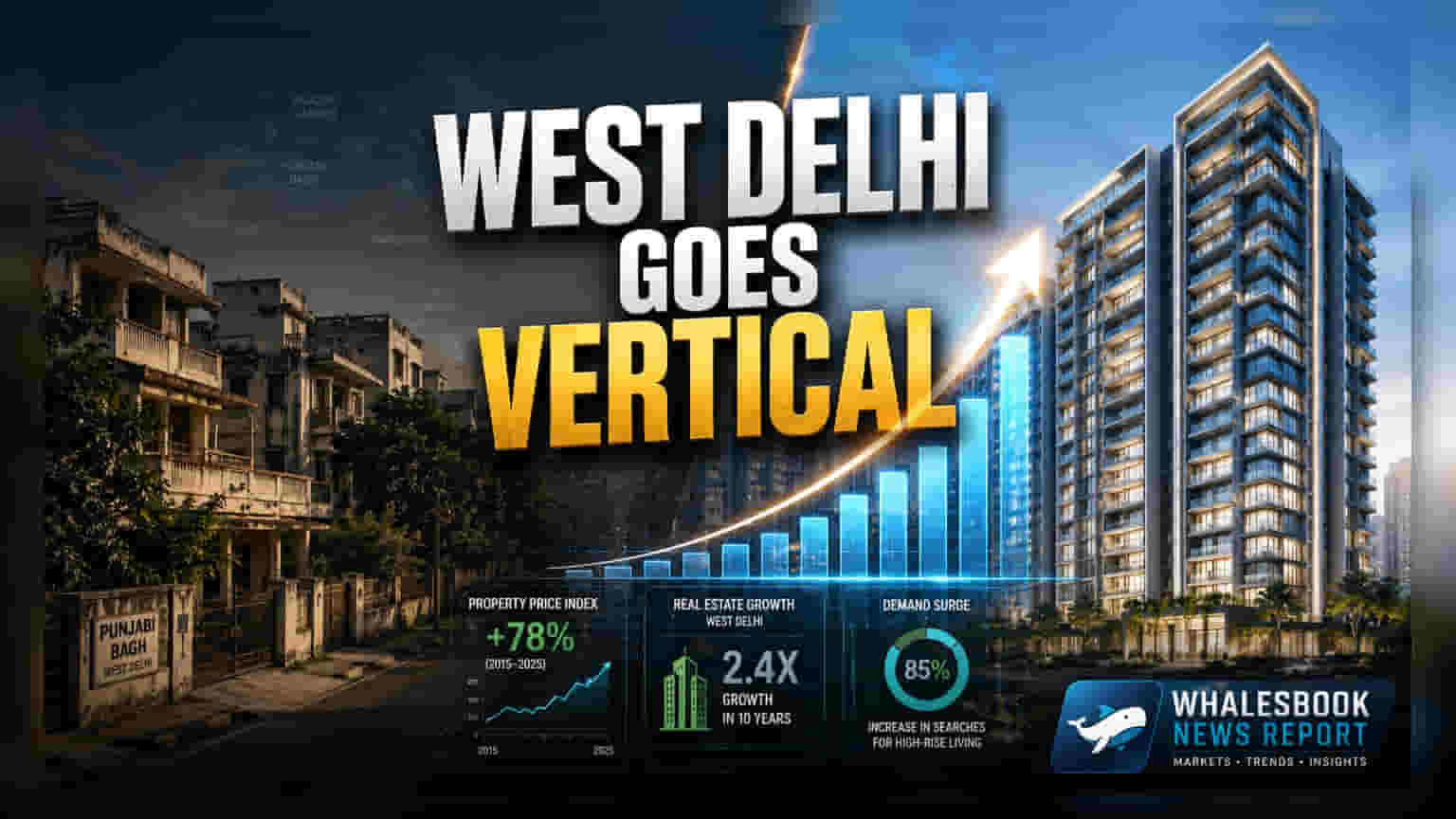
West Delhi is moving from standalone homes toward high-rise residential projects like DLF One Midtown. This shift is driven by land scarcity and buyer demand for modern amenities within established city limits. Investors should monitor how these luxury developments impact local real estate pricing and demand-supply dynamics.
What Happened
West Delhi, an area traditionally known for independent houses and low-rise builder floors, is seeing a shift toward high-rise residential projects. This trend, highlighted by developments like DLF One Midtown in Moti Nagar, represents a move by major developers to provide modern, integrated living spaces within the city core. These projects typically combine residential towers with retail and lifestyle infrastructure, marking a departure from the standalone property model that has long defined the region's housing landscape.
Why This Matters For Investors
The transition reflects a strategic response by developers to land scarcity in established urban centers. By building vertically, developers are able to unlock higher value from limited land parcels without requiring residents to move to peripheral locations like Gurugram or Noida. For listed real estate companies, successfully delivering these projects within city limits can improve profit margins and brand presence in high-demand zones where land acquisition is otherwise difficult.
Financial And Market Context
Companies like DLF are increasingly focusing on 'luxury' and 'integrated' formats to cater to affluent buyers who prioritize security, connectivity, and amenities. Historically, Delhi residents often looked to satellite cities for such living standards. By bringing these formats to central Delhi, developers aim to capture a premium segment that remains less sensitive to minor price fluctuations but highly selective regarding project quality, location, and developer track record.
Risks To The Strategy
While the demand for high-rise living is growing, such projects face specific execution risks. Large-scale construction within dense urban neighborhoods often encounters regulatory hurdles, including height restrictions, environmental clearances, and challenges related to existing civic infrastructure. Furthermore, as developers increase their capital spending on these premium projects, the ability to maintain sales velocity is crucial to managing debt levels and ensuring cash flow remains healthy. If demand in the luxury segment softens or construction delays occur, it could pressure the company’s return on investment.
What Investors Should Track
Investors monitoring this sector should look for updates on project execution timelines and sales booking rates for these high-rise developments. Additionally, it is important to watch how similar projects by competitors perform in terms of pricing power and occupancy. Key monitorables include the company's ability to navigate local municipal regulations, the pace of construction, and whether the premium pricing commanded by these high-rise units sustains amid changing economic conditions.