 Whalesbook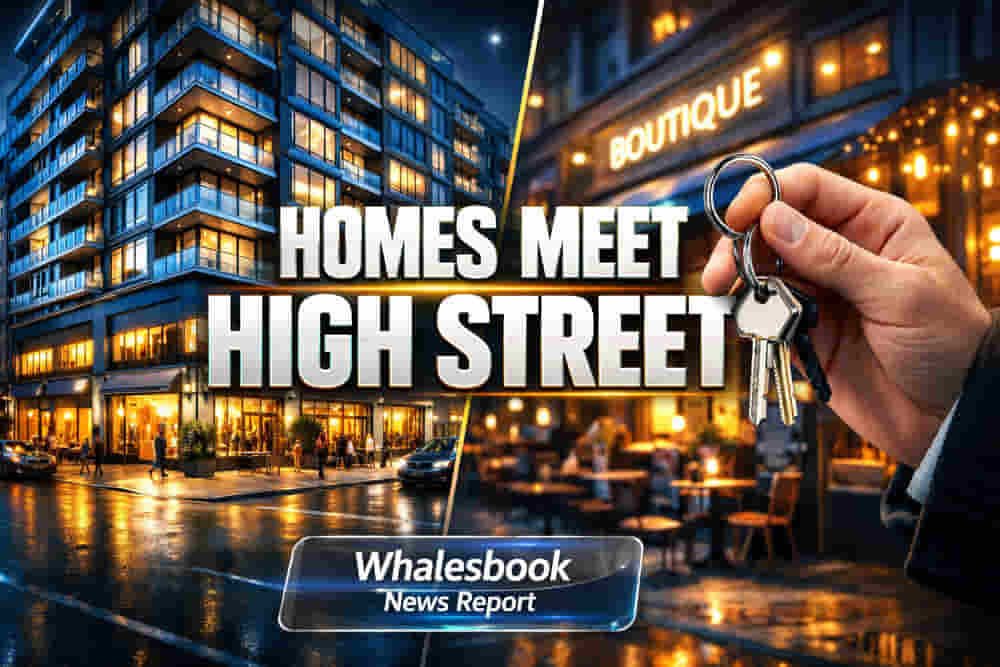


Integrated Living Redefines Luxury Real Estate
High-end property developers are increasingly weaving high-street retail components into their residential projects, a strategic pivot driven by a growing demand for integrated living solutions among discerning homebuyers. This trend signifies a move towards developments that offer not just premium residences but also unparalleled convenience and lifestyle amenities.
The Core Issue
Modern homebuyers are seeking more than just a dwelling; they desire a holistic living experience. This includes easy access to daily conveniences, retail therapy, dining, and entertainment options, all within close proximity to their homes. Integrated developments, often referred to as mixed-use townships, successfully blend residential spaces with retail, office, and leisure facilities, creating vibrant, self-sufficient neighborhoods.
Developer Strategies Embrace Integration
Prominent developers such as DLF, Hero Realty, M3M, Tribeca Developers, and Central Park are at the forefront of this movement. They are actively incorporating boutique retail spaces into their luxury residential offerings. DLF Homes, for instance, is developing a high-street retail destination in Moti Nagar, New Delhi, aiming to replicate the successful model of walkable retail seen in Gurugram. Hero Realty is developing a luxury project on the Dwarka Expressway featuring a substantial 300,000 square feet of high-street retail space. Tribeca Developers is advancing similar projects in Pune, combining premium residences with expansive open-air retail boulevards.
Financial Implications and Market Trends
These integrated developments are proving to be highly effective in driving residential sales. A study by JLL highlights that mixed-use townships are currently fueling approximately 35% of residential absorption in major Indian cities. From an investment standpoint, such projects offer the promise of better long-term capital appreciation and ensure sustained foot traffic for retail tenants, making them attractive propositions for both residents and businesses. Cushman & Wakefield reports indicate a significant 25% jump in integrated retail leasing within the Delhi NCR region alone, underscoring the robust demand.
Urban Planning Alignment
Beyond consumer demand, integrated condominiums align well with contemporary urban planning principles that advocate for transit-oriented and sustainable development. By concentrating living, working, and retail spaces, these projects can reduce commuting needs and promote more efficient land use. Developers like Smartworld Developers note that homebuyers are increasingly familiar with international lifestyles and seek similar integrated experiences locally, with condominiums bridging the gap where public infrastructure is still evolving.
Impact
This strategic shift towards integrated developments is poised to reshape the Indian real estate landscape. Developers focusing on mixed-use projects may experience enhanced sales, improved project valuations, and stronger brand appeal. For homebuyers, it translates to a more convenient and enriched lifestyle. The trend also encourages more sustainable urban growth patterns. The impact rating for this trend on the real estate sector is 7 out of 10.
Difficult Terms Explained
- Integrated Development: A real estate project that combines multiple uses, such as residential, retail, office, and entertainment, within a single complex or development.
- High-Street Retail: Commercial properties located on main streets, typically characterized by high visibility, accessibility, and pedestrian traffic, often integrated within residential areas.
- Mixed-Use Townships: Large-scale developments that intentionally incorporate a blend of residential, commercial, and recreational facilities to create a self-contained community.
- Residential Absorption: The rate at which newly built or existing housing units are sold or leased in a given market over a specific period.
- Transit-Oriented Development (TOD): Urban planning strategies that encourage the development of densely populated, walkable neighborhoods centered around public transit stations.