

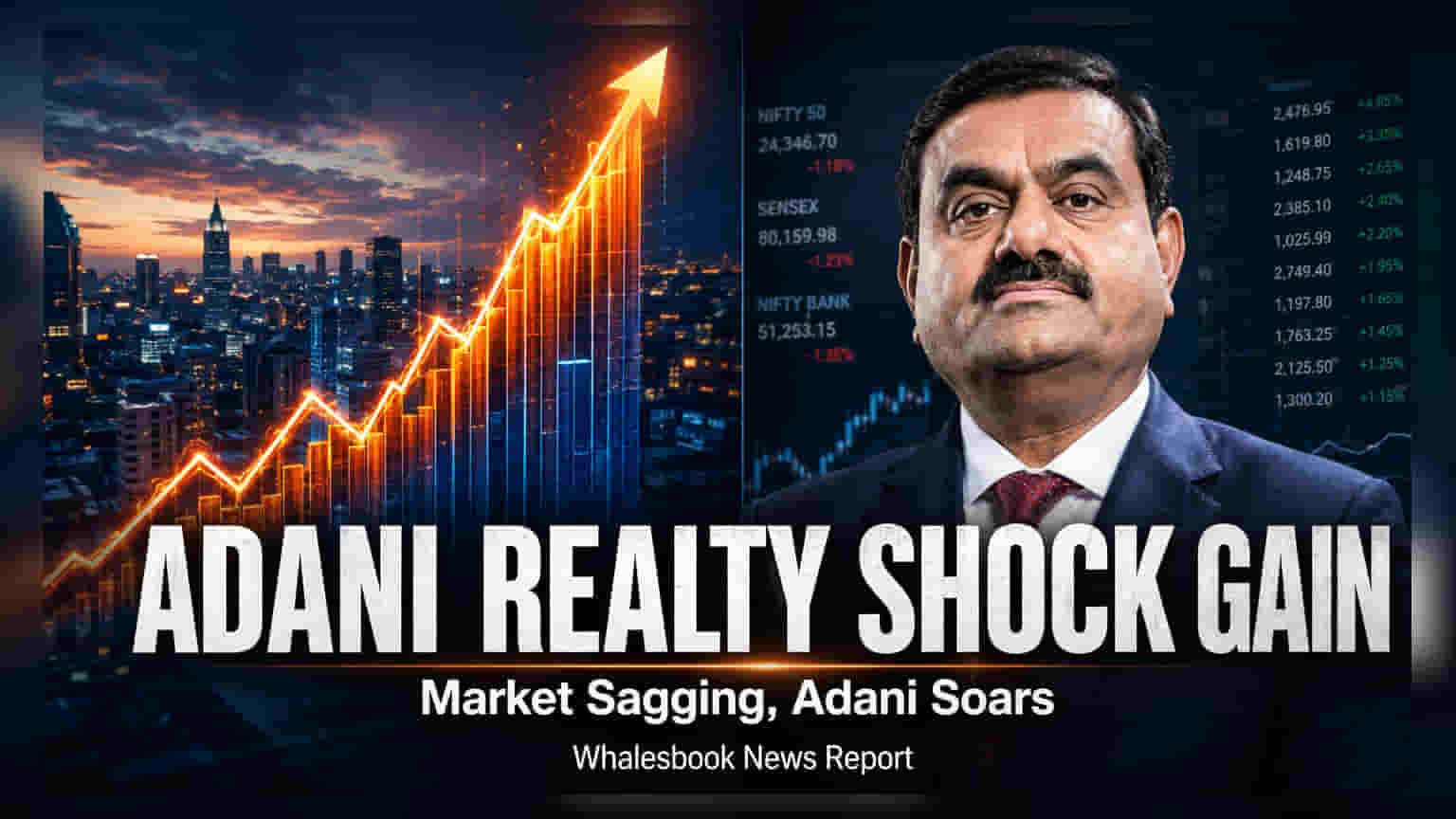
Adani Properties, an unlisted arm of the Adani Group, recorded a 73% valuation increase to ₹90,400 crore, ranking fourth on the 2026 GROHE-Hurun India real estate list. While the company saw massive gains, the broader sector struggled as the cumulative value of the top 150 real estate firms grew by only 2% amid a market slowdown.
Adani Properties, the real estate division led by Pranav Adani and Rajesh Adani, has seen a sharp rise in its valuation, reaching ₹90,400 crore. According to the 2026 GROHE-Hurun India real estate list, the company added ₹38,000 crore in value over the past year. This achievement places the Ahmedabad-based firm as the fourth most valuable real estate company in India and the top-ranked unlisted developer in the sector.
Sector Trends and Performance Comparison
This growth stands out significantly against a difficult year for the Indian property market. Data from the 2026 GROHE-Hurun India list shows that the total value of the top 150 property firms grew by only 2%, falling well behind the 14% growth observed in the previous year. The broader sentiment was also reflected in the performance of publicly traded entities, as the BSE Realty Index experienced a 20% decline.
While Adani Properties recorded substantial gains, other major players faced valuation pressure. DLF, the country’s largest listed developer, retained its top position with a valuation slightly below ₹1.5 lakh crore, despite a 29.3% decline over the year. Similarly, Lodha Developers (Macrotech Developers) occupied the second position with a valuation of ₹93,700 crore, which represents a 32.2% drop from its prior-year figures. Indian Hotels Company, which focuses on hospitality assets, held the third spot at ₹93,300 crore, marking a 13.9% decrease.
Investor Context for Real Estate
For investors, the divergence between Adani Properties’ valuation surge and the decline seen in established listed peers like DLF and Lodha highlights the volatile nature of the current real estate cycle. While the broader industry is dealing with factors that have dragged down index performance, unlisted entities like Adani Properties are often assessed based on land bank acquisitions, internal development progress, and group-wide capital allocation strategies rather than immediate quarterly stock market fluctuations.
Moving forward, investors and industry observers will monitor whether these valuation changes reflect long-term project viability or localized market shifts. Key factors to watch for the broader sector include land acquisition costs, interest rate trends affecting buyer demand, and the ability of major developers to maintain profit margins despite the recent slowdown in index performance.