

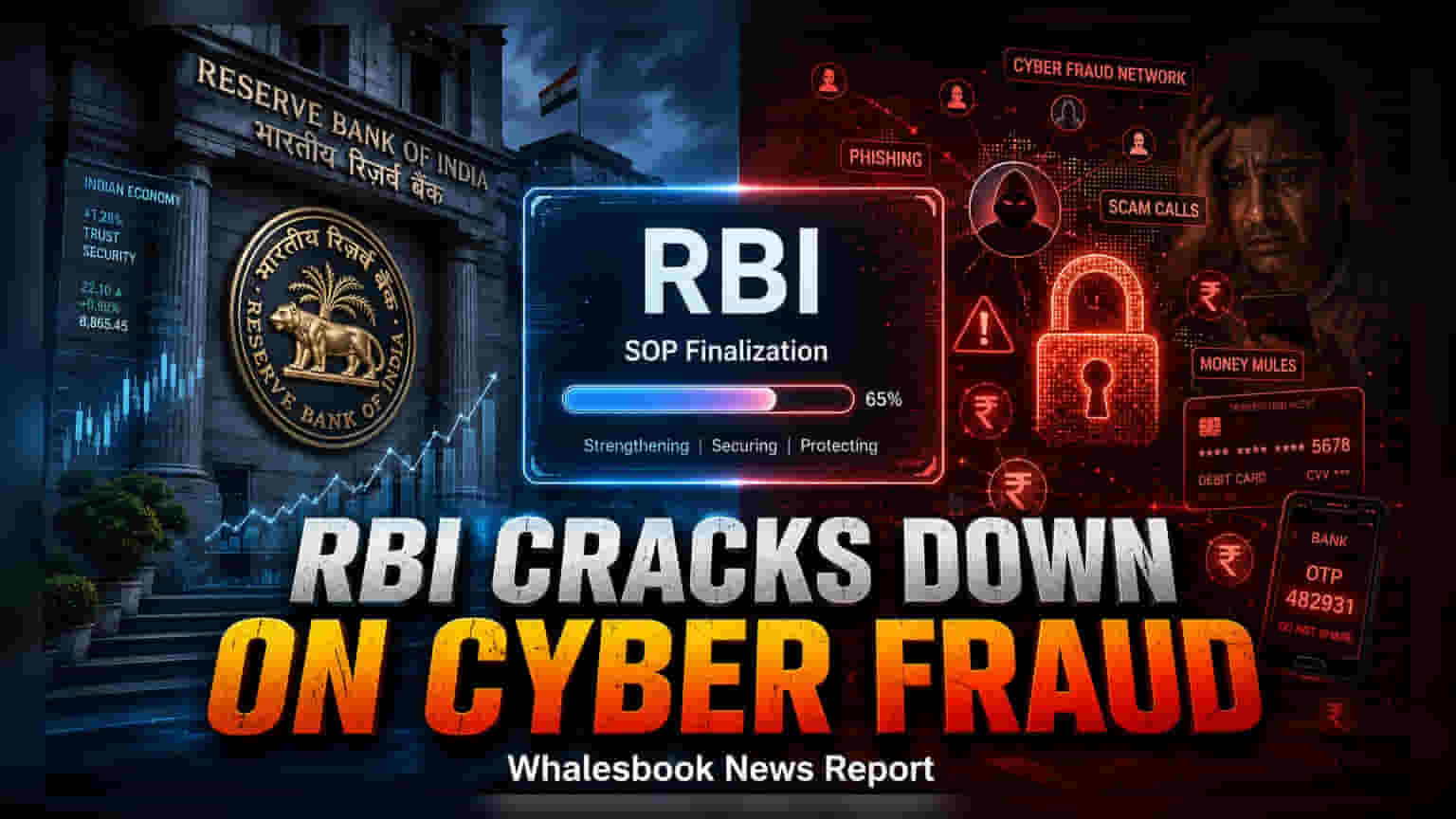
The Reserve Bank of India (RBI) has been given four weeks by the Supreme Court to finalize a new Standard Operating Procedure (SOP) for combating cybercrimes, including digital arrest scams. This move aims to standardize how banks handle suspicious accounts and assist fraud victims. The new rules will impact how financial institutions detect, report, and manage cyber-linked transactions to enhance customer protection.
The Reserve Bank of India (RBI) is set to roll out a new, comprehensive Standard Operating Procedure (SOP) to help banks and financial institutions tackle the rising wave of cyber fraud. This development follows a clear directive from the Supreme Court of India, which has granted the central bank a four-week window to finalize these guidelines. The court’s mandate comes as part of a suo motu hearing regarding 'digital arrest' scams and the misuse of banking channels for illegal activities.
Standardizing Fraud Response
The upcoming SOP aims to create a uniform approach for banks when dealing with suspicious transactions. A bench led by Chief Justice of India Surya Kant has emphasized that the new protocols must include specific measures for temporarily freezing debits from accounts identified as suspicious. Additionally, the guidelines will focus on establishing a clear grievance redressal mechanism and a system to help victims recover lost funds. For the banking sector, this means transitioning from varied internal policies to a structured, regulator-mandated framework for handling cyber-enabled fraud.
Existing Technology and Compensation
The RBI is not starting from scratch. During a recent press conference, Deputy Governor Swaminathan J noted that the central bank is already using advanced tools to secure the banking system. One such initiative is the 'MuleHunter.AI' platform, an artificial intelligence tool currently deployed in 26 banks to detect 'mule accounts'—bank accounts used by criminals to layer and move stolen money. Furthermore, the RBI already has a compensation framework in place for small-value digital frauds, allowing victims of electronic banking losses up to ₹50,000 to claim limited reimbursement under specific conditions.
Implications for Banks and Investors
For Indian banks, the new SOP will likely bring increased pressure to upgrade their technology and monitoring systems. While these changes are essential for consumer trust, they come with operational costs. Compliance teams will need to align with the new, stricter protocols for account freezes and fraud reporting. Investors in the banking sector should monitor how these regulatory requirements affect operational expenses and whether any future rules on 'shared liability'—where banks might be held accountable for failing to prevent fraud—are introduced. Currently, the focus remains on enhancing the detection and restoration of funds, which serves to protect the integrity of the digital payment ecosystem.
The next major development will be the release of the finalized SOP after the four-week period. The banking industry and the public will be watching to see how the finalized rules balance the need for immediate fraud prevention with the requirement for smooth, uninterrupted banking services.