 Whalesbook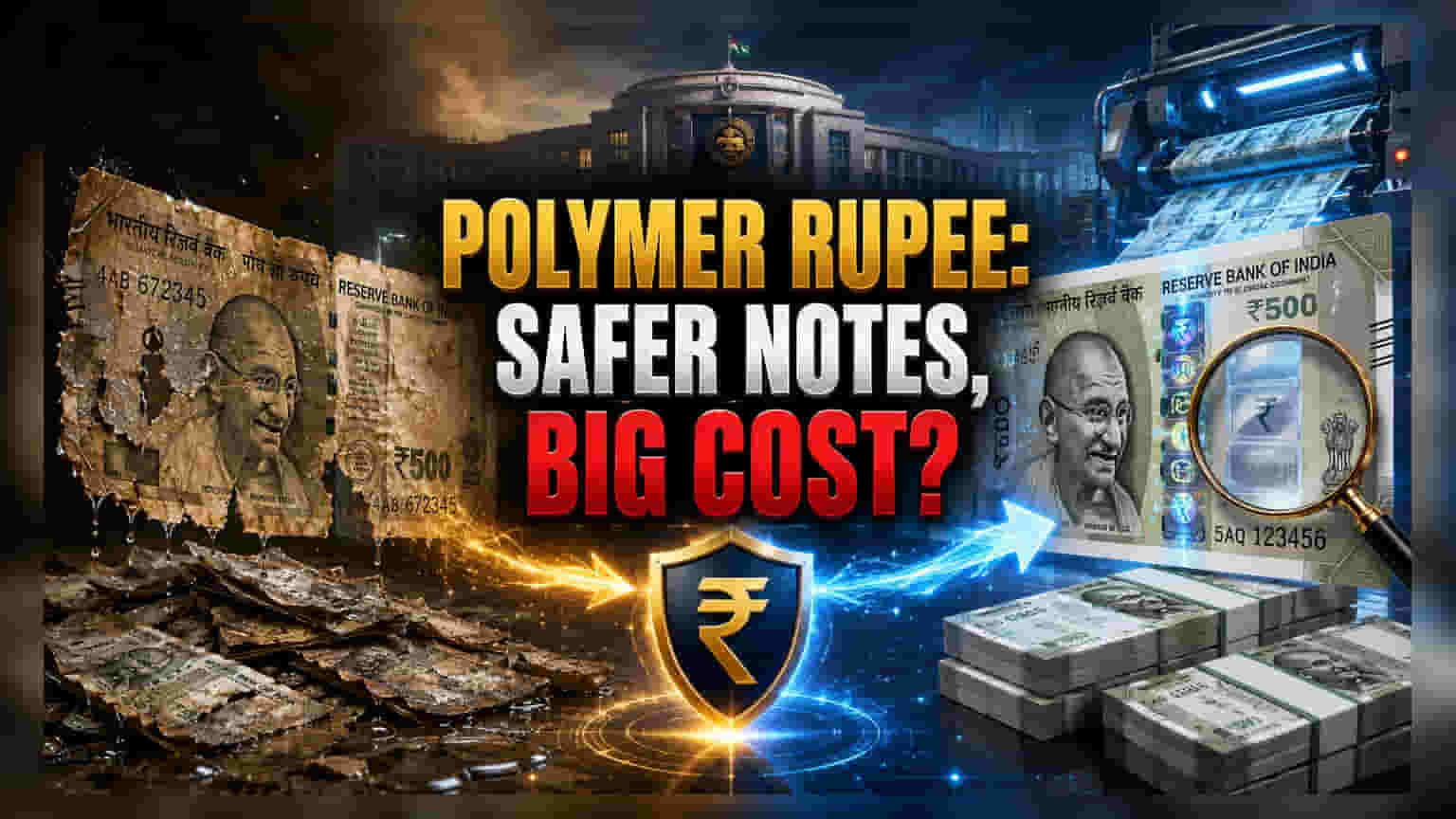


The Economic Imperative
The move toward synthetic currency substrates stems from an urgent need to lower the fiscal burden associated with frequent banknote replacement. Each year, the central bank disposes of an massive volume of soiled or mutilated notes, with high-denomination bills showing the highest turnover rates. Transitioning to a polymer-based substrate, which exhibits higher resilience to environmental stressors like moisture and physical wear, theoretically doubles the lifecycle of currency. By extending the operational life of every note in circulation, the central bank aims to curtail the recurring expenditure currently funneled into the printing press and logistics chain.
The Security Calculus
Beyond durability, the pivot addresses the persistent threat of sophisticated counterfeiting. Synthetic substrates allow for the integration of complex security features, including advanced see-through windows and light-reactive holograms that are notoriously difficult to emulate compared to traditional cotton-pulp fiber. While central bank officials prioritize these defensive measures, the effectiveness of such technology remains tied to public awareness and verification habits. Experience in other jurisdictions suggests that while polymer reduces the incidence of low-quality forgeries, it does not entirely eliminate the threat of high-end illicit reproduction, forcing a perpetual cycle of technological upgrades.
Historical Barriers and Structural Skepticism
Despite the long-term potential, the initiative has a history of tactical paralysis. The central bank has toyed with this transition since 2007, yet every major push—including procurement tenders in 2016—eventually lost momentum. The structural reality is that switching to a specialized substrate requires a complete overhaul of existing printing infrastructure and massive capital expenditure. Past experiments with varnished notes were essentially stop-gap measures, highlighting the bank's reluctance to commit fully to the higher initial production costs of full polymer notes. Any serious attempt to modernize the currency architecture must overcome the sheer scale of the Indian economy, where the logistical footprint of issuing and replacing currency remains one of the largest in the world.
The Forensic View on Implementation
From a risk perspective, the transition is fraught with technical difficulties. The procurement process for specialized printing technology often invites significant regulatory scrutiny and potential for delays. Furthermore, because these notes are more slippery and harder to count using standard mechanical sorting machines, the transition could lead to temporary friction in cash-handling ecosystems. While the promise of lower long-term maintenance costs is mathematically sound, the history of failed pilots suggests that market participants should remain skeptical of a rapid rollout until tangible tender awards are issued and production facilities are retrofitted to handle the change.