 Whalesbook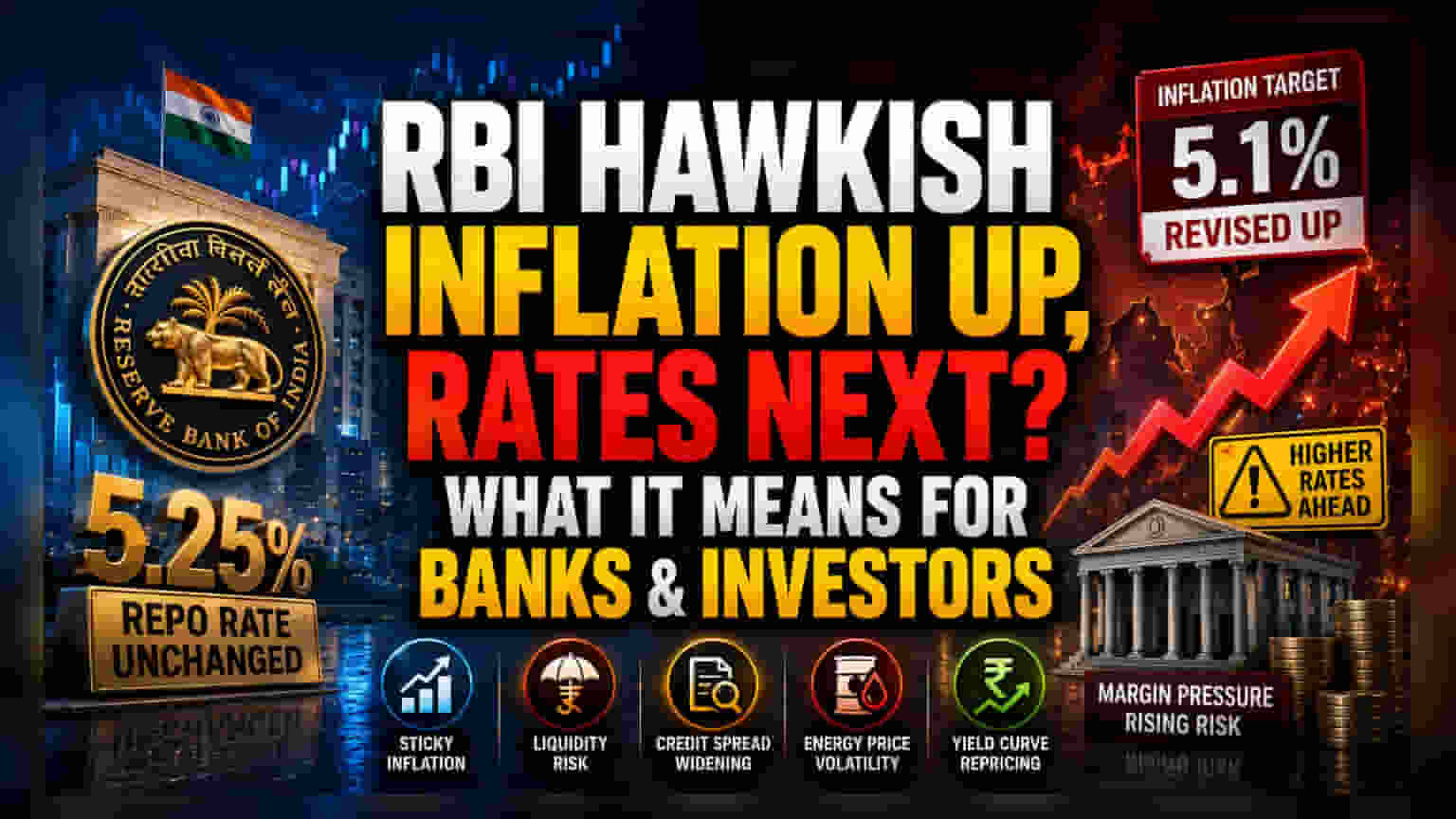


The Shift in Monetary Calculus
The central bank's recent upward revision of its fiscal inflation target to 5.1% acts as the primary catalyst for market repricing. While the repo rate remains anchored at 5.25%, the rhetorical transition from growth-focused neutrality to inflation-sensitive vigilance represents a substantial shift for debt markets. This hawkish turn is less about immediate policy action and more about managing the liquidity trap that follows prolonged periods of stable borrowing costs. Investors are adjusting portfolios as the prospect of higher funding costs threatens to compress net interest margins across the banking sector.
Assessing the Macro Convergence
The synchronization of the Reserve Bank of India with regional counterparts suggests that the global fight against localized inflation is entering a more aggressive phase. Data from the broader Asian markets shows a clear trend: central banks that held steady through the first half of 2026 are now capitulating to the reality of sticky supply-side pricing. When comparing the current outlook to the tightening cycle seen in late 2022, the primary differentiator is the fragility of current monsoon projections. A failure in agricultural output could trigger a compounding effect on food inflation, forcing the central bank to accelerate its path toward a 5.75% or even 6.25% benchmark rate sooner than the current consensus models suggest.
The Forensic Bear Case
The primary risk inherent in this shift is the potential for over-tightening during a period of slowing private consumption. If the central bank elevates rates too rapidly, it risks triggering a liquidity crunch in non-banking financial companies that rely heavily on short-term wholesale funding. History shows that when the central bank moves from a policy of accommodation to withdrawal, the credit spread widening often hits mid-cap borrowers first. Furthermore, there is a tangible concern that current inflation forecasts fail to account for potential volatility in energy import costs, which could force a hawkish reaction that catches bond markets off-guard. The lack of clarity regarding the terminal rate provides a volatile backdrop for institutional investors looking to extend duration in their fixed-income portfolios.
The Future Outlook
Market participants are positioning for a transition to a "withdrawal of accommodation" stance as early as August. While the consensus among institutional analysts leans toward a cumulative 50-basis-point lift before the calendar year turns, the internal debate remains centered on the velocity of these hikes. As the central bank balances the dual mandate of price stability and economic resilience, the focus will shift entirely to incoming high-frequency data on core inflation and household spending patterns, which will dictate whether the anticipated August hike is merely a signal or the start of a structural repricing of the rupee-denominated yield curve.