 Whalesbook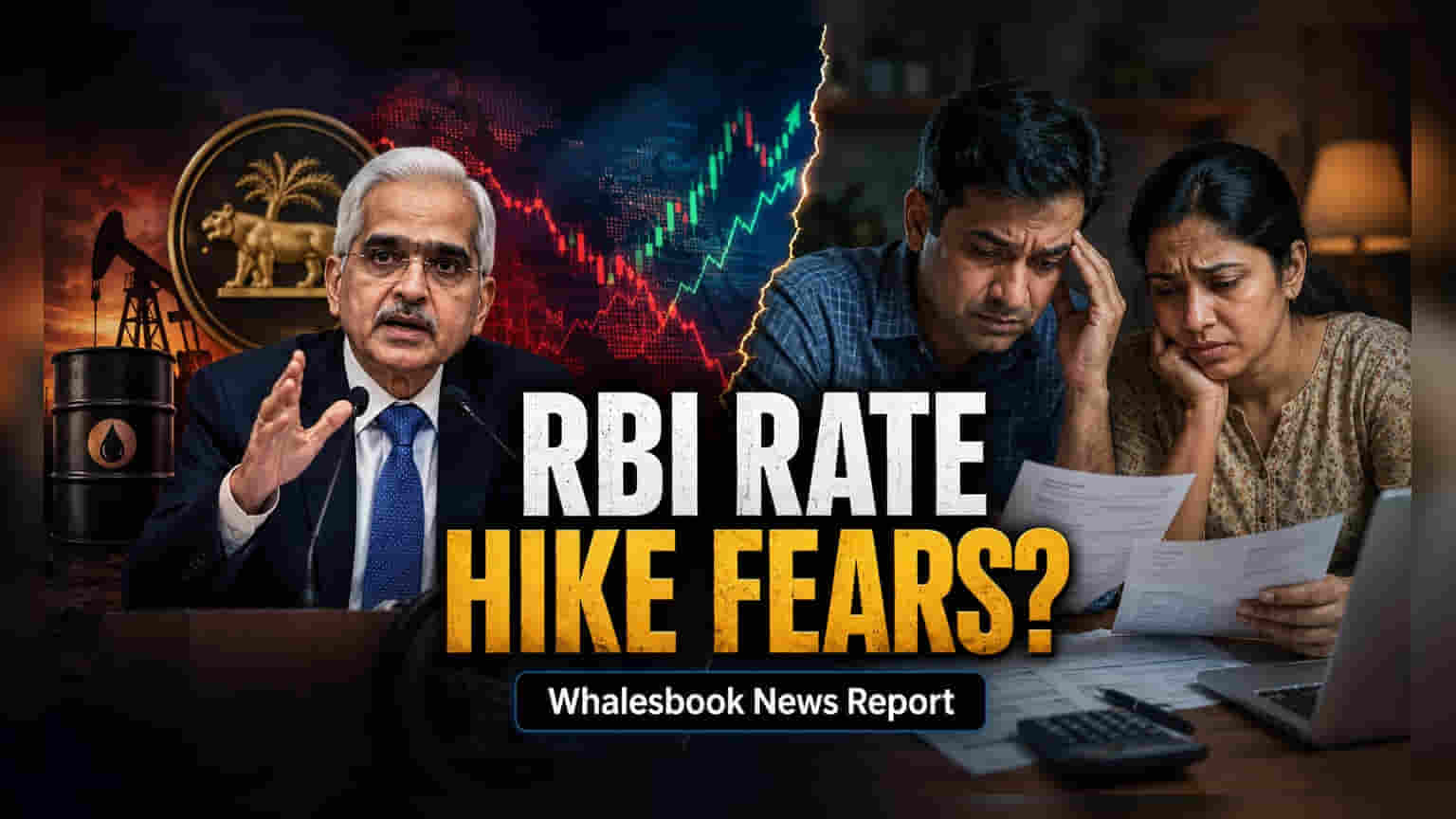


The Balancing Act
Financial markets are pricing in a period of extended neutrality from the Reserve Bank of India. By holding the repo rate steady, policymakers are signaling a prioritization of domestic consumption and investment, essentially providing a floor for a credit-sensitive economy. This decision effectively delays the transmission of global inflationary pressures—specifically those originating from West Asian supply-side constraints—into the domestic retail lending environment.
The Liquidity Disconnect
The central bank’s decision to maintain status quo does not occur in a vacuum. While the repo rate remains fixed, the real constraint for the Indian financial sector lies in tightening systemic liquidity and the potential for a weakening rupee to import inflation. If the exchange rate experiences sustained downward pressure, the RBI may find its ability to hold rates steady compromised. Market participants should monitor the interbank call money market, as sustained deviations from the repo rate often act as a precursor to formal policy shifts, regardless of the official stance.
Structural Vulnerabilities
Borrowers relying on floating-rate loans often interpret a hold in interest rates as a green light for increased leverage, yet this perspective ignores the reality of margin compression within the banking sector. Financial institutions are currently navigating higher cost-of-funds environments. Even without an official repo rate hike, banks are likely to maintain high spread levels to protect their net interest margins. Relying on the assumption that a static policy rate equates to static loan costs is a strategic error in a environment where banking liquidity remains fragmented.
The Forensic Risk Perspective
The primary danger for market participants is the assumption that 'no hike' equals 'stability.' History demonstrates that central banks often pivot rapidly when faced with the dual threat of supply-side commodity inflation and currency depreciation. Should the RBI move from its current watchful stance to a hawkish posture, the transmission to the real economy will be swifter than in previous cycles, given the increased sophistication of digital lending platforms and real-time loan repricing mechanisms. Furthermore, any sign of administrative intervention to stabilize the rupee could inadvertently reduce system liquidity, effectively tightening credit conditions without a single change to the benchmark rate. Investors and borrowers alike should prepare for a scenario where credit availability, rather than the price of credit, becomes the primary obstacle to growth in the second half of the year.