

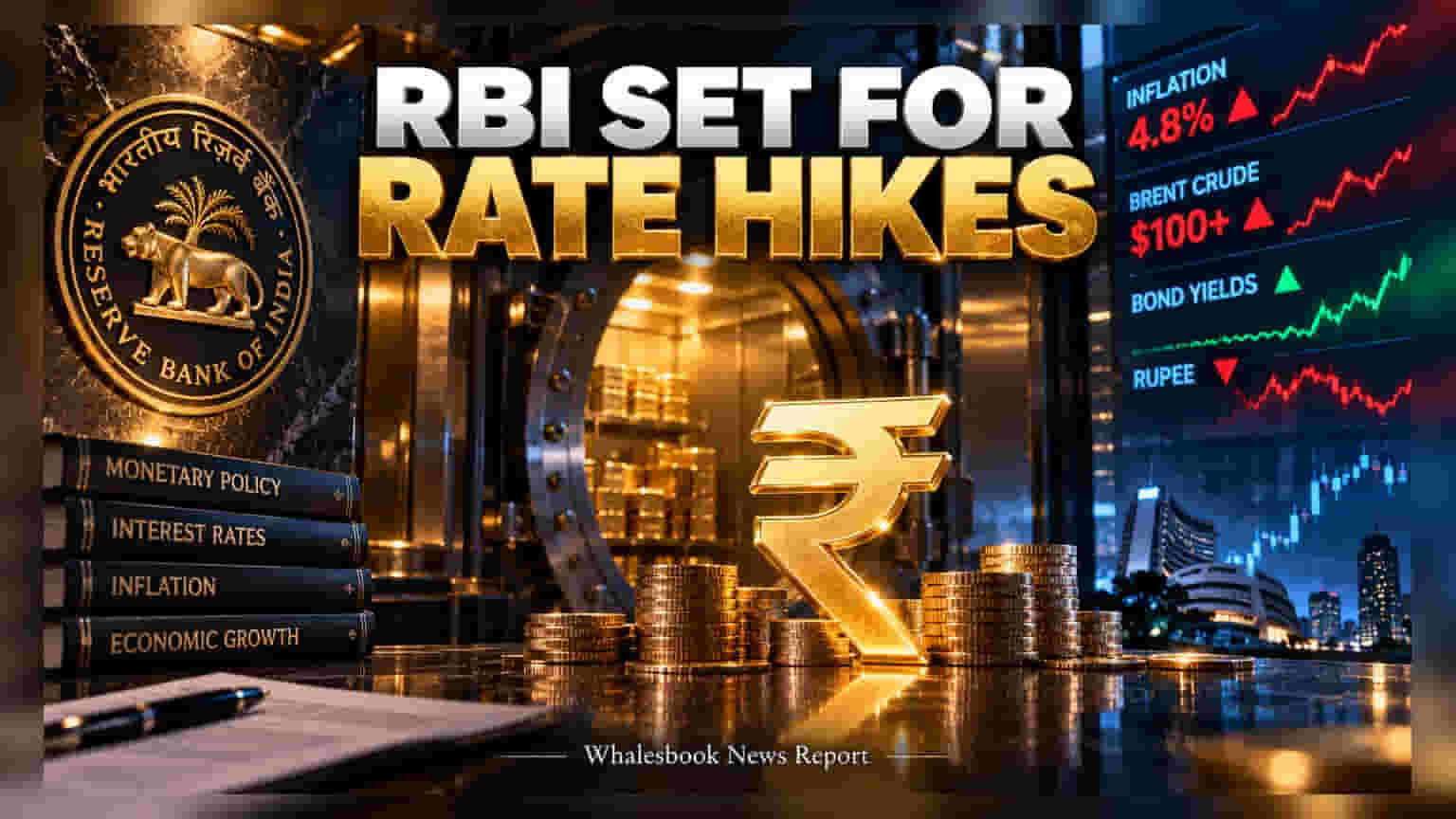
The Reserve Bank of India is expected to begin an interest rate hike cycle, with analysts predicting an initial 25 basis point increase this October. Driven by rising crude oil prices and persistent inflation, the central bank aims to manage price stability and currency pressures. This shift could impact borrowing costs, banking margins, and bond market yields, making it a key area for investors to follow.
The Reserve Bank of India is widely expected to pivot toward raising interest rates, beginning as early as October. This move follows a period of stable rates as the central bank now shifts its focus to curbing inflation, which has shown signs of broadening across the economy.
Inflation and Global Pressures
Recent data shows consumer price inflation climbing to 4.8% in August, up from an earlier average of 3.9%. This is not just a rise in a few products but a wider increase in prices for many goods and services. A primary contributor to this pressure is the energy market. With global Brent crude oil prices averaging over $100 per barrel in recent weeks, businesses are facing higher input costs. This rising cost of production often eventually reaches the consumer, keeping inflation levels higher than desired. Additionally, concerns regarding food security due to monsoon trends have led to projections that food inflation could cross 7% by the third quarter, further complicating the central bank's task.
What Higher Rates Mean for Investors
When the central bank raises interest rates, it impacts the economy in several ways. For borrowers, this typically means higher interest rates on loans, including home, auto, and corporate loans. Companies with high debt may see their interest expenses rise, which can impact their net profit margins. For banks, the effect can be mixed; while rising rates can sometimes help increase net interest margins, they may also lead to slower credit growth if borrowing becomes too expensive for individuals and businesses.
In the bond market, interest rates and bond prices generally move in opposite directions. As policy rates rise, existing bonds with lower yields become less attractive, causing their market prices to fall. This shift often leads to higher yields in the government bond market, which is a key benchmark for the broader economy.
Currency and Liquidity Management
Beyond domestic inflation, the RBI must also manage the value of the rupee. A narrowing interest rate gap between India and the United States has made it harder to attract capital, leading to pressure on the currency. To maintain stability, the central bank may need to adjust the amount of money circulating in the banking system. Tools such as Open Market Operations and variable rate auctions are often used to manage this excess cash. Investors should watch for any updates on the Cash Reserve Ratio, which acts as a direct lever for the central bank to control liquidity.
While the domestic economy continues to show resilience with 7.8% GDP growth, the upcoming policy decisions will be critical. The market will look to the next Monetary Policy Committee meeting for confirmation on the timing and size of the rate hikes, as well as the central bank’s guidance on the future path of inflation and economic growth.