

Reserve Bank of India Governor Sanjay Malhotra has defended the decision to move the FCNR(B) swap deadline to August 31, citing strong forex inflows. While the move has successfully secured over $56 billion for India’s reserves, it has caused uncertainty for banks and raised questions about policy consistency, leading to recent downward pressure on banking stocks.
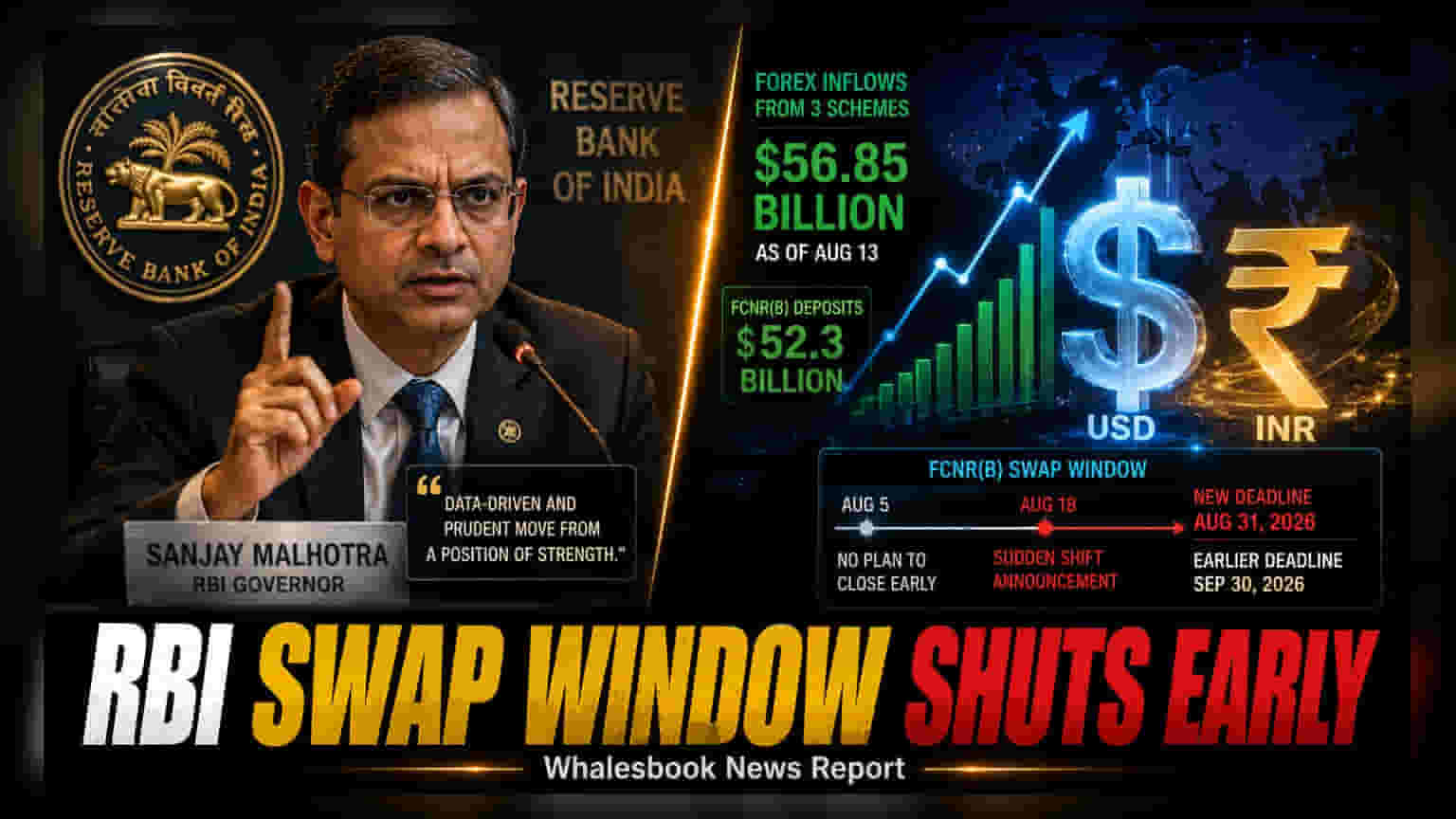
Reserve Bank of India (RBI) Governor Sanjay Malhotra has addressed the recent decision to advance the closure of the foreign currency non-resident (FCNR(B)) deposit swap window. The deadline for new deposits was moved up to August 31, 2026, from the earlier date of September 30, 2026. Governor Malhotra described the move as a data-driven and prudent step taken from a position of strength, noting that the central bank’s primary goals for the scheme have been largely met.
The FCNR(B) swap facility is a tool that allows banks to bring in foreign currency deposits from abroad and swap them with the RBI for rupees. This helps banks manage their liquidity while boosting India's foreign exchange reserves. According to official data, the initiative has been successful, with total inflows from three special forex schemes reaching $56.85 billion as of August 13. Of this total, the vast majority—$52.3 billion—came through FCNR(B) deposits.
While the RBI maintains that the move is a strategic calibration to manage reserves, the decision has drawn attention due to a change in stance. Only on August 5, the RBI had indicated there was no plan to close the window early. The sudden shift in the deadline nine days later caught many banks and market participants off guard. This surprise announcement caused banking stocks, including HDFC Bank, ICICI Bank, and the State Bank of India, to face downward pressure on August 18 as investors reacted to the change.
The move creates several challenges for the banking sector. First, it removes a specific channel for banks to manage their rupee liquidity and demand for government securities. Second, it creates operational uncertainty, as banks must now rush to finalize arrangements before the August 31 cutoff. There are also longer-term concerns regarding how these deposits will be handled when they mature in three to five years, as banks will need to manage the refinancing process without this specific support from the RBI.
For investors, the key concern is not just the immediate impact on liquidity, but the question of policy predictability. When central bank guidance changes quickly, it can make it difficult for financial institutions to plan their funding strategies. While the RBI's move has undoubtedly bolstered India's external buffers and balance of payments, market observers are now watching to see how this impacts banking liquidity in the coming months. The swap window for other schemes, such as external commercial borrowings, remains open until December 31, and the market will likely monitor any further updates from the RBI regarding that facility.