

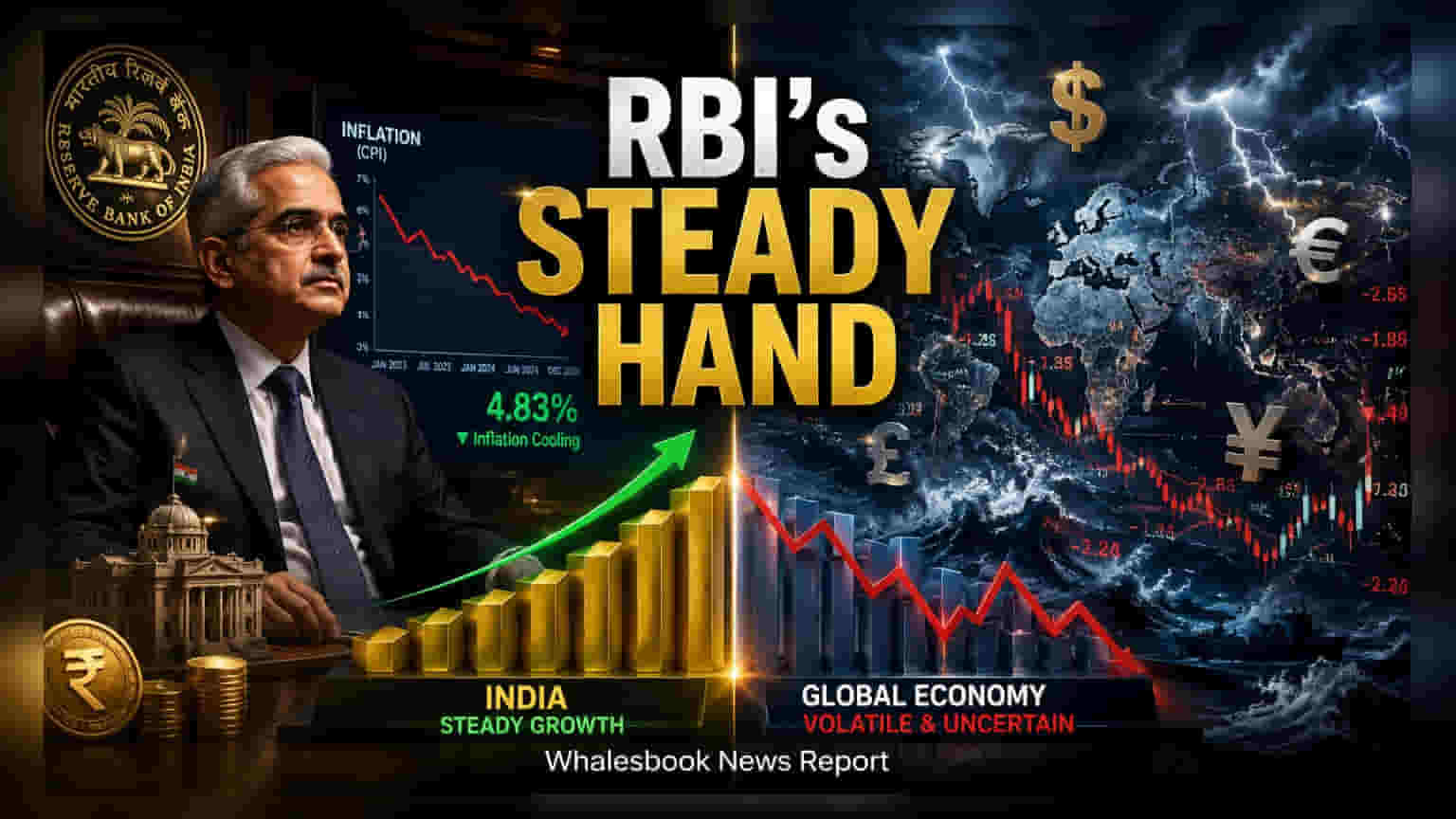
The Reserve Bank of India’s Monetary Policy Committee is likely to keep repo rates unchanged, focusing on supporting domestic growth. With core inflation at 2.5%, the central bank is prioritizing economic stability over aggressive rate hikes, even as global uncertainty persists. Investors may track how this neutral stance influences credit growth and private investment.
The Reserve Bank of India’s Monetary Policy Committee is widely expected to maintain the current repo rate, opting for a period of stability rather than tightening. This decision-making process is largely driven by a clear divergence between headline inflation and core inflation metrics. While headline inflation reached 4.4% in June, the core inflation rate remains notably low at 2.5%, suggesting that there is no widespread excess demand driving price increases across the Indian economy.
Inflation Trends and Economic Impact
The central bank’s preference for a pause is supported by the limited ability of firms to pass on rising commodity costs to consumers. This indicates that companies are absorbing higher costs to maintain market share, which may weigh on profit margins in the short term. Furthermore, global commodity trends provide some relief; crude oil prices are currently trading in the low eighties, well below the central bank’s previous reference point of $95. This environment allows the MPC more flexibility to focus on fostering private sector investment, which is essential for sustaining long-term economic growth.
Monetary Policy and Market Transmission
The current neutral monetary policy stance is designed to navigate global volatility without causing abrupt shocks to the domestic market. To manage banking liquidity, the RBI has implemented targeted measures, such as adjusting interest rates for Non-Resident Indian deposits. These steps are helping banks address the ongoing gap between deposit and credit growth without needing to raise broader interest rates across the economy. Additionally, the narrowing interest rate differential between India and the United States, now at approximately 2%, has become more sustainable compared to the wider spreads seen in late 2023.
Forex Management Strategy
Beyond interest rates, the central bank’s approach to foreign exchange intervention has evolved. The use of non-deliverable forwards has allowed the RBI to manage rupee volatility effectively without significantly draining domestic liquidity. This modern intervention strategy is aimed at reducing unwarranted risk perceptions while maintaining a robust buffer against potential outflows. Investors tracking these developments should monitor upcoming commentary from the MPC for any shifts in their assessment of global risks, as well as updates on banking sector deposit growth, which remains a key monitorable for transmission of the current interest rate environment into the broader economy.