

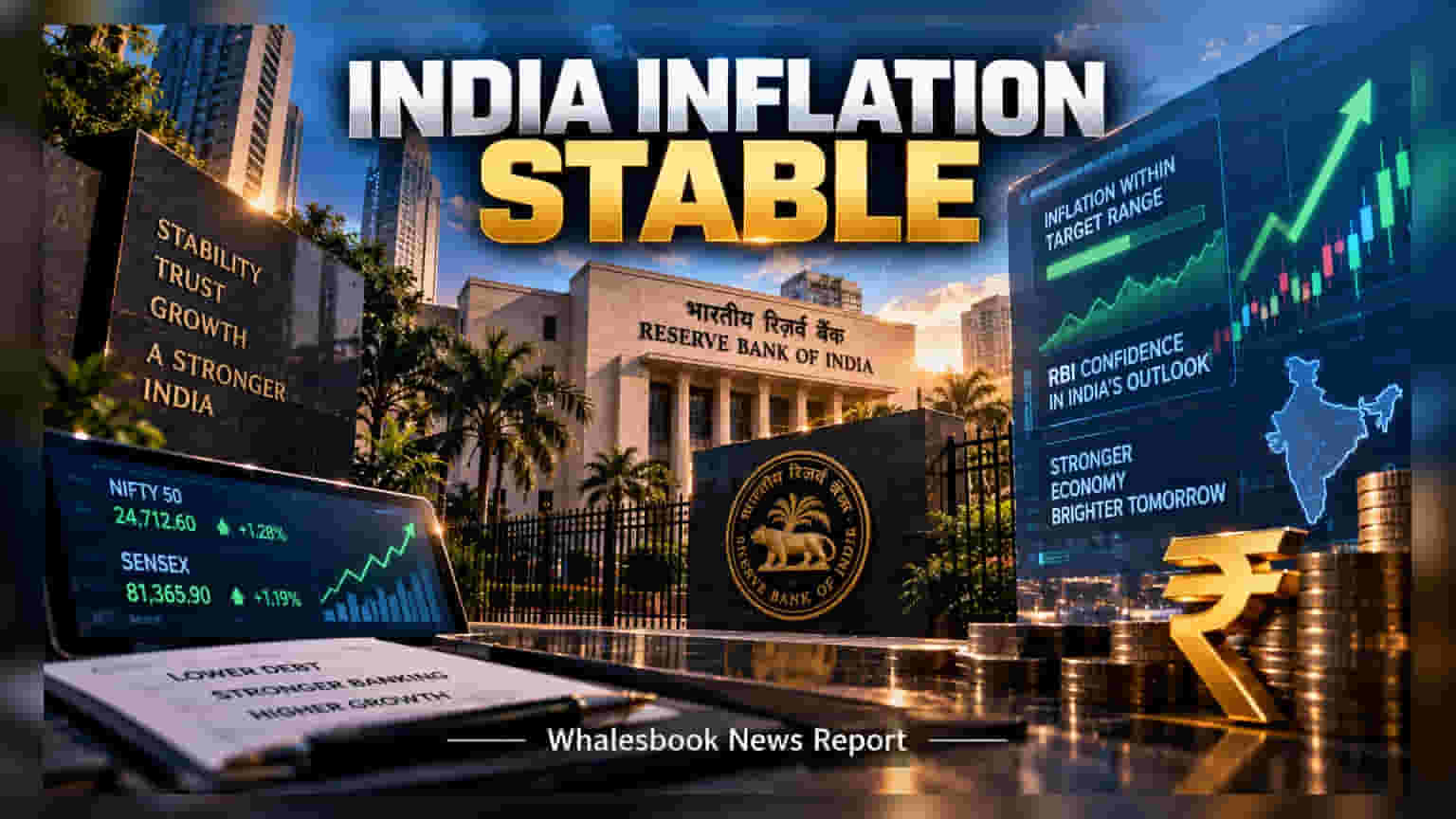
RBI Deputy Governor Poonam Gupta stated that India’s inflation is tracking within the central bank's target, helped by fiscal discipline. This stability, contrasting with higher global inflation, supports a favorable environment for corporate growth and banking sector health.
Reserve Bank of India (RBI) Deputy Governor Poonam Gupta confirmed that India's inflation continues to stay within the central bank's projected target range. Speaking at the State Bank of India Banking and Economics Conclave in Mumbai, she noted that the country’s economic strategy has successfully shielded it from the severe inflationary pressures seen in many advanced economies.
India has largely avoided the cycle of excessive spending and stimulus that triggered high inflation in other parts of the world. By focusing on fiscal discipline and avoiding heavy reliance on debt, the economy has managed to maintain stability even during periods of global energy price volatility and supply chain disruptions. This measured approach has allowed India to keep domestic economic costs under control, which is a key factor for the stability of corporate profit margins.
Debt Outlook and Banking Stability
The International Monetary Fund (IMF) has provided a positive outlook on India’s fiscal path, with projections suggesting a 5.6 percentage point reduction in the public debt-to-GDP ratio by 2031. For investors, this trajectory indicates a stronger government balance sheet, which typically reduces risks associated with long-term sovereign and corporate borrowing. A more stable fiscal environment often leads to greater confidence among international investors and helps in maintaining currency stability.
Furthermore, the Indian banking sector has displayed improved durability and lower levels of bad loans in recent years. This structural strength acts as a foundation for credit growth, which is essential for ongoing business expansion across sectors. As the country continues to outpace many emerging market peers in economic growth, the banking sector remains a primary beneficiary of stable, consistent demand for credit.
What Investors Should Monitor
While the current inflation trend remains within the RBI’s target band, investors should continue to watch global energy prices, as India remains a significant importer of oil and gas. Sudden spikes in energy costs can create pressure on inflation and trade balances. Additionally, the RBI’s future decisions on interest rates will remain a key factor for market participants. The central bank typically adjusts these rates based on current inflation trends and the broader economic outlook. Investors should track official RBI policy statements and monthly inflation data to gauge how these variables might influence the cost of borrowing for companies and consumer demand in the coming months.