

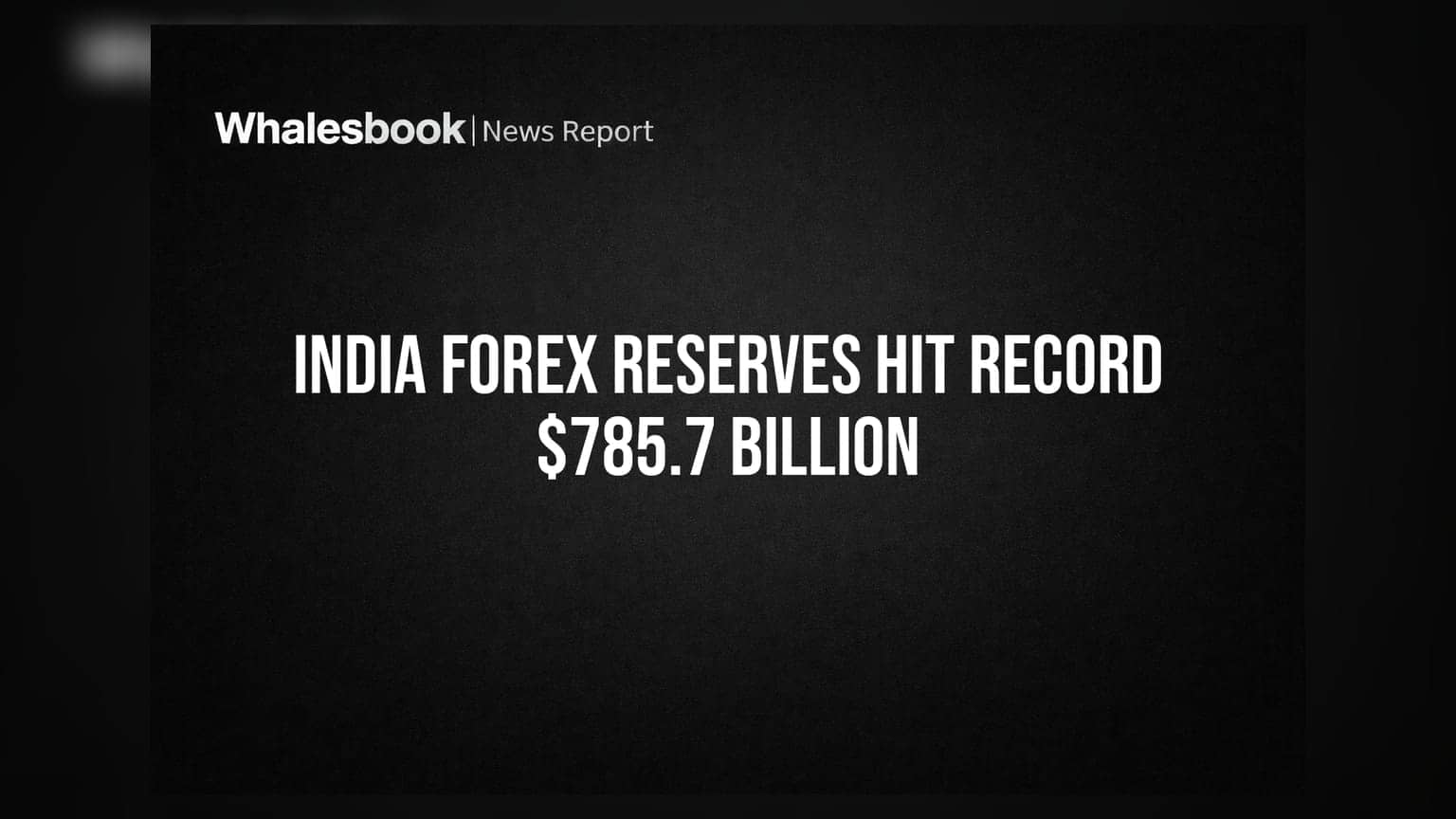
India’s forex reserves jumped to a record $785.71 billion, marking a historic weekly increase of $44.9 billion. This surge, driven by successful FCNR deposit inflows, now makes India the world’s fourth-largest forex reserve holder. The accumulation offers a vital buffer against global market shocks and currency volatility, though monitoring the RBI's management of hedging costs remains relevant for the financial system.
India's foreign exchange reserves have climbed to an all-time high of $785.71 billion as of September 4, 2026. This historic accumulation follows a massive weekly jump of $44.9 billion, a figure that has cemented India's position as the world's fourth-largest holder of forex reserves, moving the country ahead of Russia in the global rankings.
The rapid increase is primarily attributed to the Reserve Bank of India’s (RBI) concessional swap window for Foreign Currency Non-Resident (FCNR) deposits. Launched earlier this year, this initiative incentivized banks to aggressively attract capital from overseas Indians. By August 31, 2026, the scheme had successfully drawn in approximately $127.23 billion in inflows. Due to the unexpectedly swift response from the market, the central bank decided to close these swap windows on August 31, a full month ahead of the original September 30 deadline.
For investors and the broader economy, this reserve build-up acts as a powerful defensive shield. A larger stockpile of foreign currency gives the RBI increased capacity to stabilize the Indian Rupee during periods of extreme volatility. This stability is particularly relevant given ongoing geopolitical tensions in West Asia and the potential for sudden fluctuations in global crude oil and energy prices, which historically impact India’s import bill.
However, the build-up comes with distinct financial nuances that market participants are tracking. The RBI incurred specific hedging costs to facilitate these swap arrangements, and financial analysts are monitoring the impact of these expenses on the central bank's balance sheet. Furthermore, the domestic economy remains sensitive to shifts in foreign portfolio investor (FPI) flows and persistent import costs. While the reserves provide a strong cushion, the effectiveness of this policy will depend on how the central bank eventually manages the deployment of these funds into assets like US Treasuries versus the cost of maintaining the currency hedges.
Looking ahead, the next important update will be how the RBI balances these heavy inflows with domestic liquidity needs. Investors may continue to watch for official commentary on the impact of these hedging costs and any potential long-term adjustments in currency management policies.