

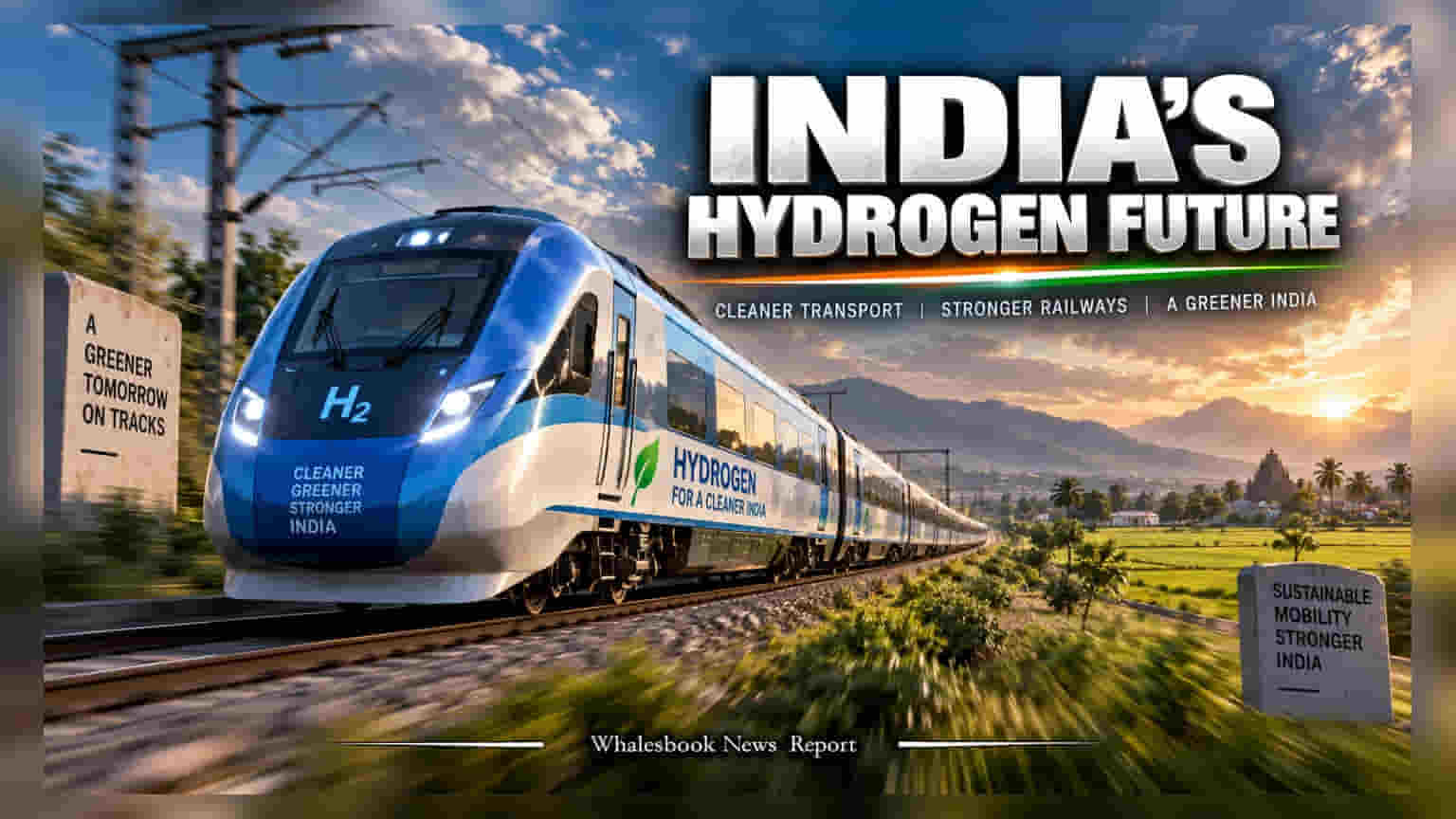
Indian Railways plans to raise the operational speed of its hydrogen-powered trains to 110 kmph after successful 120 kmph trials. While the initiative supports green energy goals, investors and analysts are watching how the national carrier manages high infrastructure costs, fuel supply logistics, and the energy efficiency challenges of hydrogen technology compared to standard electric trains.
Indian Railways is preparing to upgrade the operational capacity of its hydrogen-powered fleet. After successfully conducting trials where the trains reached speeds of 120 kmph, the national carrier is now working to set 110 kmph as the standard operating speed for commercial service. This move is a step forward from the current operational speed of 75 kmph on the Jind-Sonipat route in Haryana.
Moving Toward Higher Speeds
The pilot project, which involves retrofitting hydrogen fuel cells onto existing DEMU rakes, is part of a larger plan to lower carbon emissions across the rail network. Railway officials have confirmed that they are currently in the process of finalizing the necessary safety protocols and the logistics required to maintain a secure hydrogen fuel supply. While the 120 kmph trial result was a significant technical milestone, transitioning to a stable 110 kmph commercial operation requires careful planning to ensure the technology remains reliable under daily service conditions.
Challenges and Economic Reality
While the project aligns with long-term green transit goals, it faces several practical hurdles that are important to note. A primary concern for any new technology in rail transport is economic viability. Hydrogen-powered trains are significantly different from the standard electric trains that make up the majority of the Indian rail network. Experts often point out that the energy chain for hydrogen is less efficient than using direct electricity. Converting electricity to hydrogen and then back into power results in energy loss, which can make these trains more expensive to run in the long term compared to standard electric engines.
Additionally, the infrastructure required to support these trains is substantial. It is not just about the trains; the Railways must invest in specialized hydrogen storage and refueling stations across the routes where these trains will operate. This is a complex capital expenditure compared to simply extending overhead electric lines, which are already standard across the electrified network. Because hydrogen rail technology is still in a relatively early stage globally, maintenance protocols and long-term operational costs are still being refined.
Broader Network Modernization
This hydrogen initiative is happening alongside other major modernization efforts. Indian Railways is currently pushing to expand its Vande Bharat sleeper services, with plans for several new units to be deployed in the current fiscal year. Simultaneously, the agency is managing massive infrastructure projects, such as the Indore-Manmad railway line. As the network prepares for major events like the 2028 Ujjain Simhastha festival, the demand for reliable, high-capacity transport remains high. For now, the key for stakeholders will be to see if the Railways can balance the excitement of new green technology with the need to keep operational costs manageable and infrastructure reliable.