 Whalesbook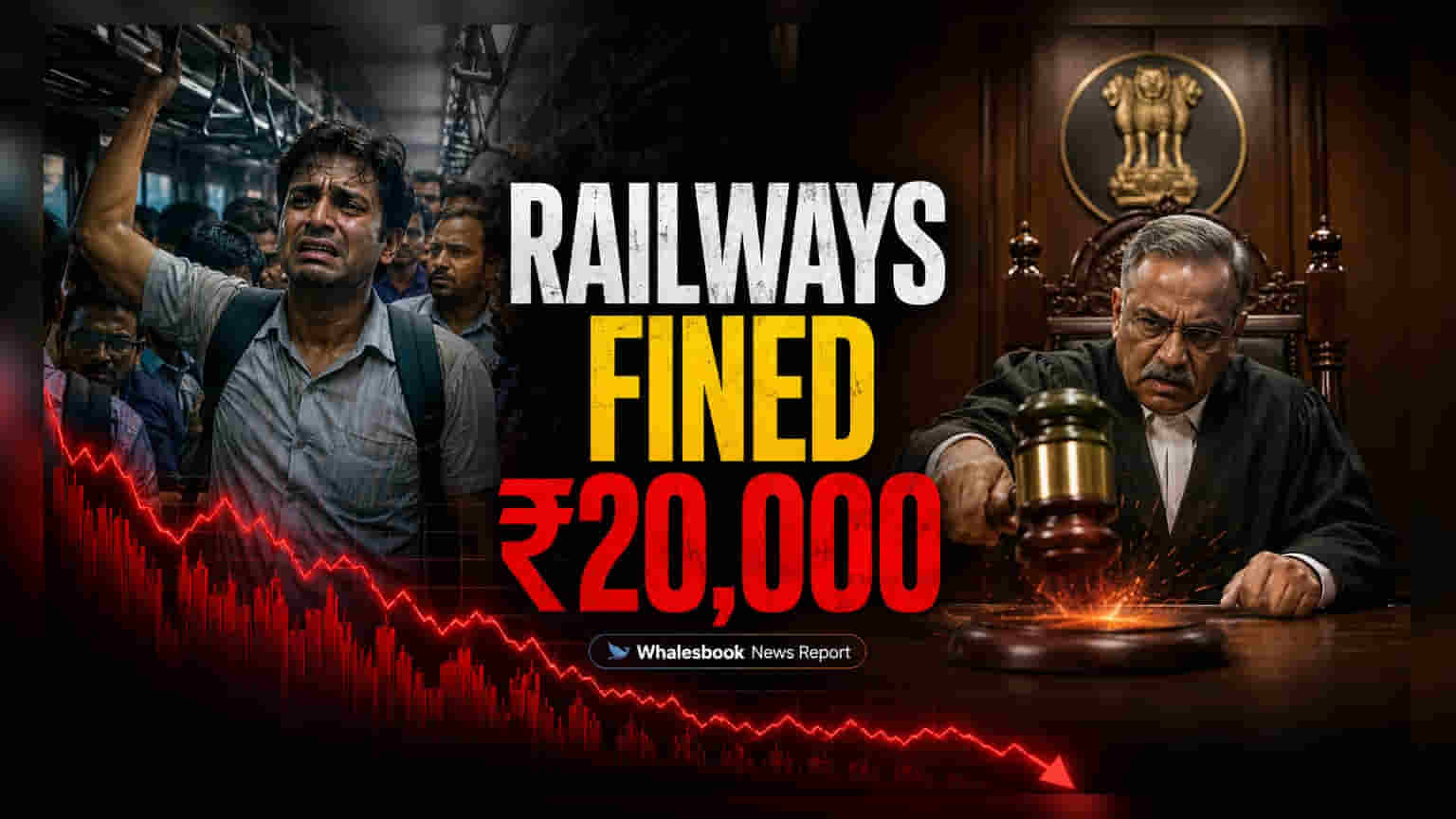


Beyond the Fine: The Accountability Crisis
The judicial decision to penalize Indian Railways for seat denial underscores a persistent friction between state-managed logistics and consumer rights. While the specific fine of ₹20,000 for the incident on the LTT Patna Express serves as immediate restitution for the affected passengers, the broader implications point toward a potential shift in how consumer forums handle large-scale public infrastructure grievances. By rejecting the state's argument that such failures fall exclusively under law and order jurisdiction, the commission has signaled that service deficiency claims remain actionable, regardless of the agency's scale or status.
Operational Strain and Institutional Risk
Operational capacity remains the primary bottleneck for Indian Railways as it attempts to modernize its network while balancing legacy logistical hurdles. The unauthorized occupation of berths by personnel, as noted in the recent litigation, highlights an internal governance issue regarding staff compliance and resource allocation. Unlike private-sector logistics firms that often utilize automated seat management and dynamic compensation models to mitigate reputational damage, the state carrier continues to grapple with manual interventions and slow grievance redressal. This structural rigidity often leads to increased litigation costs, which, while small on a per-incident basis, create a cumulative financial and reputational drag when aggregated across the entire network.
Structural Weaknesses Exposed
The reliance on legacy systems combined with immense workforce oversight challenges poses a significant risk to the overall efficiency of public transport operations. Institutional inefficiencies often lead to service failures that, when brought before consumer courts, expose a lack of standardized internal penalty frameworks. Furthermore, the defense strategy employed by the Ministry of Railways in this instance suggests a reactive rather than proactive approach to service failure. When public entities attempt to deflect responsibility to law and order jurisdictions, they risk further alienating a consumer base that increasingly expects tech-driven transparency and accountability. Without a centralized policy to handle such service lapses preemptively, the carrier faces the prospect of recurring litigation, increasing the total cost of operations beyond what is reflected in standard annual budget allocations.
Future Outlook and Sector Implications
Regulatory pressure on state-run transport services is intensifying as consumer awareness grows regarding service-level expectations. Going forward, the burden of proof is shifting toward the provider to demonstrate that all reasonable steps were taken to ensure booked services were delivered. This environment necessitates a move toward more robust digital oversight and better coordination between on-board staff and central reservation systems to avoid future liability exposure. Investors and sector analysts remain cautious, watching to see if this ruling serves as a catalyst for a more rigid adherence to service protocols or if it remains an isolated incident within a fragmented system.