

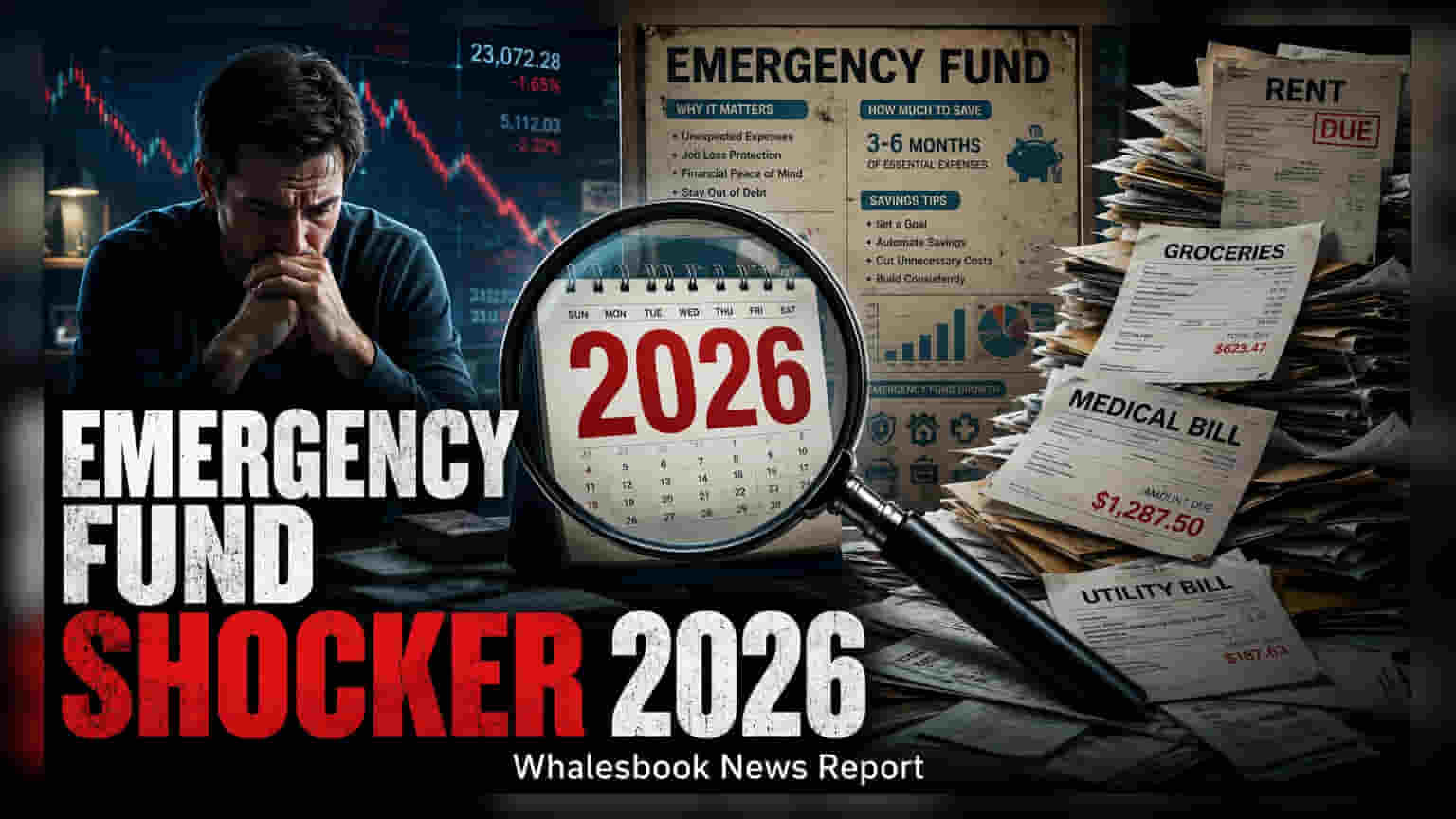
Financial planners warn that static emergency funds often fall short due to rising costs and changing life circumstances. Investors should calculate their buffer based strictly on essential monthly expenses rather than total lifestyle spending. For most families, experts now recommend keeping 6 to 12 months of non-negotiable costs in highly liquid accounts to ensure immediate access during financial stress.
Managing personal finances in 2026 requires more than just building a savings cushion; it demands a strategy that evolves alongside your life. Many individuals make the mistake of treating their emergency fund as a one-time goal, failing to realize that inflation and new financial commitments can quickly shrink the protection their savings provide. A fund that seemed adequate two years ago may no longer cover the basic costs of living today.
Calculating Your Essential Monthly Buffer
To determine the true size of your safety net, you must separate essential spending from discretionary habits. Financial experts suggest focusing only on non-negotiable outflows. This includes your rent or home loan EMIs, basic grocery costs, utility bills, mandatory insurance premiums, and necessary medical or transport expenses. By excluding entertainment, travel, and luxury spending from this calculation, you can determine the actual amount needed to survive a period of income loss without accumulating high-interest debt.
Tailoring Your Fund to Your Risks
While a six-month buffer is a common benchmark, it is not a one-size-fits-all solution. Your required fund size depends heavily on your professional and personal stability. Sole breadwinners, individuals working in industries prone to layoffs, or those with significant dependents are often advised to aim for 9 to 12 months of essential expenses. On the other hand, dual-income households with more predictable cash flows may feel secure with a smaller buffer. Business owners and freelance professionals should lean toward the higher end of the scale to account for the irregular nature of their income.
Why Liquidity Matters More Than Returns
Accessibility is the most critical feature of an emergency fund. The goal of this money is security, not wealth creation. Funds tied up in long-term investments, such as equity mutual funds or lock-in deposits, can be dangerous during a crisis, as you may be forced to sell them at a loss during a market downturn. Financial advisors suggest using liquid instruments like high-interest savings accounts, sweep-in deposit facilities, or fixed deposits that allow for penalty-free premature withdrawals. These options ensure that your capital is ready the moment you need it.
Handling Inflation and Life Changes
Life events such as marriage, the birth of a child, or taking on a new mortgage significantly change your financial risk profile. Furthermore, the rising cost of goods and services erodes the value of your savings over time. Performing an annual review of your emergency fund is essential to keep your protection aligned with current prices. If your essential monthly expenses have risen, your total emergency savings goal should be adjusted upward to ensure that your safety net remains robust enough to handle the pressures of 2026.