 Whalesbook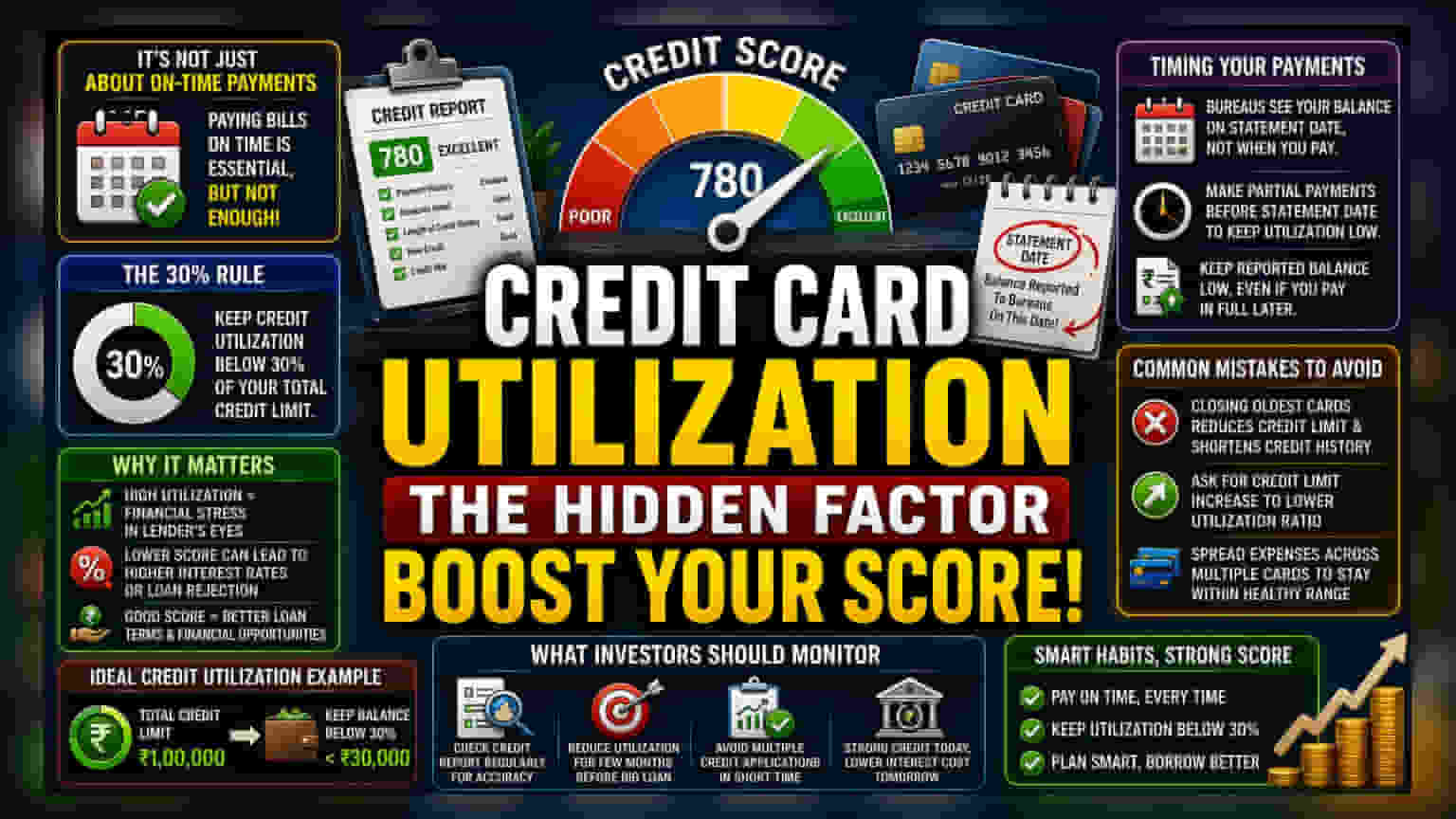


Many individuals maintain poor credit scores despite paying bills on time. The reason is often a high credit utilization ratio—spending too close to your limit. Lenders view this as a sign of financial instability. Keeping spending below 30% of your credit limit and making payments before the statement date can help improve your credit profile, potentially helping you secure better interest rates on future loans.
What Happened
Many credit card users in India operate under the assumption that paying bills on time is the only factor required to build a strong credit score. While on-time payments are essential, they are only part of the picture. Financial experts and credit bureaus are increasingly highlighting the importance of the credit utilization ratio. This is a simple calculation of how much credit you have used compared to the total limit available on your cards. If you consistently use a high percentage of your available limit, lenders may view this as a sign of financial stress, regardless of your payment history.
Why This Matters For Your Financial Health
Your credit score is not just a number; it is a primary tool lenders use to determine your creditworthiness. A lower credit score often leads to higher interest rates on home, personal, or car loans. In some cases, it can even result in loan rejection. By understanding how to manage your credit utilization, you can maintain a healthier financial profile. When lenders assess a loan application, they look for responsible credit management. Someone who uses only a small fraction of their available credit limit appears more financially disciplined than someone who constantly hits their card limits.
The 30% Rule And Timing Your Payments
Financial experts typically suggest keeping your credit card spending below 30% of your total available limit. For example, if you have a combined credit limit of ₹1 lakh across all your cards, it is advisable to keep your balance under ₹30,000 when the statement is generated. A key detail often missed is that credit card companies report your outstanding balance to bureaus on the statement date, not the day you pay the bill. If you make a large purchase right before your statement date and pay it off a few days later, the bureau may still record a high utilization for that month. To manage this, some individuals make partial payments toward their credit card bill before the statement closing date to ensure the reported balance remains low.
Common Mistakes To Avoid
It is important to manage your credit limits wisely. One common error is closing your oldest credit card accounts. While this might seem like a way to simplify finances, it actually reduces your total available credit limit and shortens the average age of your credit history, both of which can negatively impact your score. Instead of closing accounts, some individuals request a credit limit increase from their bank. This helps reduce the utilization ratio automatically, as the same amount of spending now represents a smaller percentage of a larger total limit. Spreading expenses across multiple cards is another strategy to keep the utilization on any single card within a healthy range.
What Investors Should Monitor
Maintaining a strong credit profile is a continuous process. You should monitor your credit report regularly to ensure that all accounts and balances are reported accurately. If you are planning to apply for a major loan, such as a home mortgage, it is wise to focus on reducing your credit card utilization for several months before the application. Additionally, avoid making multiple new credit applications in a short period, as each inquiry can create a minor dent in your score. By focusing on these factors, you can strengthen your borrowing profile and potentially save significantly on interest costs over the long term.