

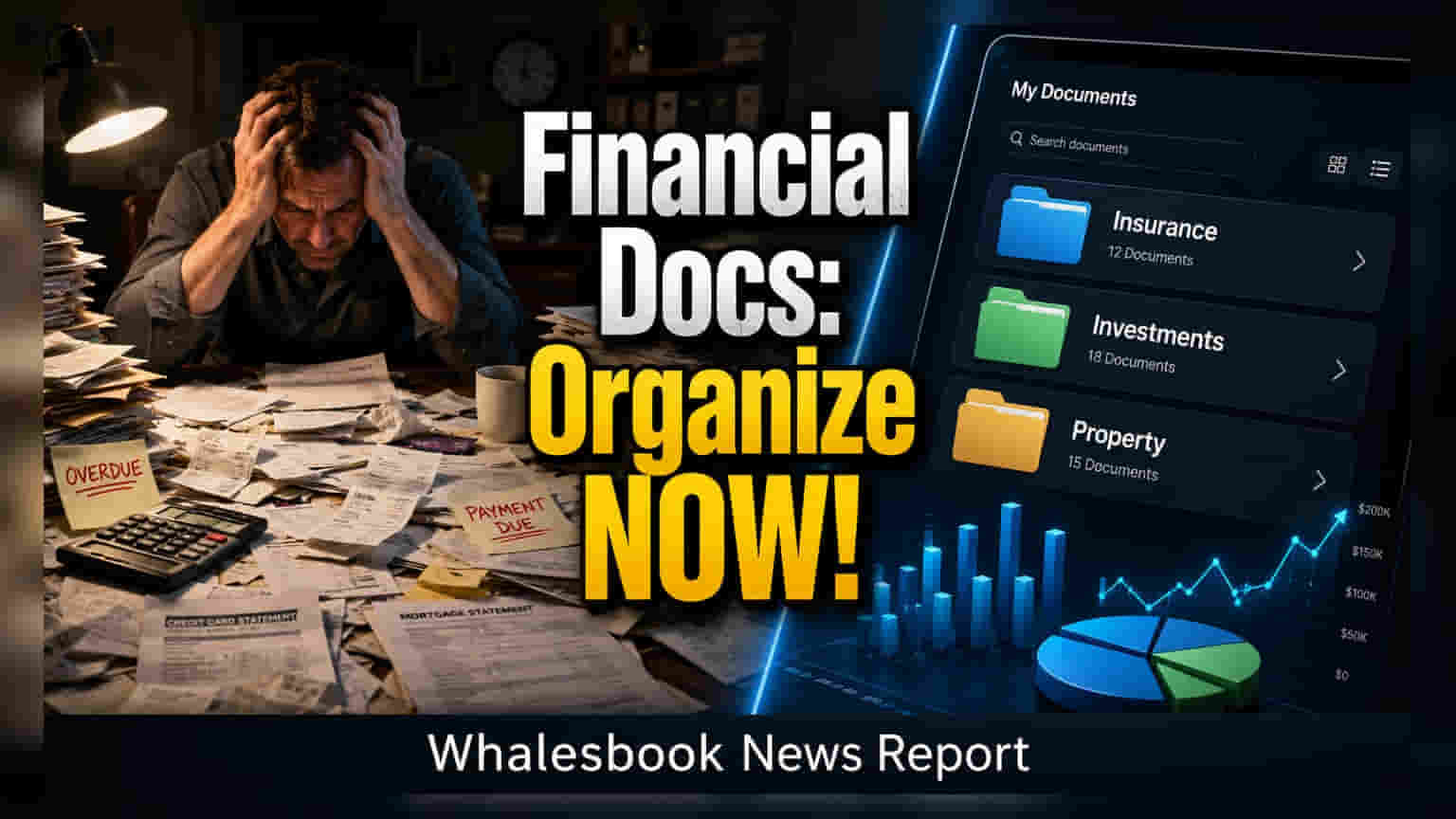
Financial planners urge investors to consolidate all critical financial documents to avoid stress during emergencies. Maintaining an accessible inventory of insurance, investments, and updated nominations is vital for a smooth transition of assets. Proper organization ensures your family can manage finances effectively during unexpected medical or legal crises.
Building a solid financial foundation involves more than just growing your savings and investments; it also requires ensuring those assets are accessible when you are not around or are unable to manage them. Financial planners often observe that families face significant hardship during medical emergencies or sudden loss simply because they cannot locate essential paperwork. Moving beyond scattered digital files and memory-based tracking is a critical step for every Indian investor.
Why Consolidated Records Matter
In an emergency, the priority is often medical or legal action rather than financial administration. If critical documents such as insurance policies, bank account details, and loan agreements are not centralized, family members may lose valuable time navigating bureaucratic hurdles. Financial advisors recommend creating a unified document vault—physical, digital, or a hybrid of both—and ensuring that at least one trusted family member has clear instructions on how to access it.
Key Financial Documents to Consolidate
Your records should include a comprehensive list of all assets and liabilities. This includes mutual fund folios, fixed deposit receipts, shares, bonds, and Employee Provident Fund (EPF) accounts. Alongside these, keep copies of loan sanction letters and repayment schedules for mortgages or vehicle loans. Having this data in one place allows your family to track total financial health, identify active accounts, and understand repayment obligations without needing immediate access to sensitive login credentials.
The Importance of Current Nominations
One of the most overlooked aspects of financial planning is keeping nomination details up to date. Many investors assume their initial nominations are sufficient, but life changes often render them obsolete. Outdated nominations in bank accounts, insurance policies, and mutual fund portfolios frequently lead to long, complex legal processes for family members to claim assets. Regularly reviewing these records at least once a year can prevent unnecessary delays during already difficult times.
Securing Identity and Legal Papers
Beyond investment and banking records, a file containing essential identity and legal documents is necessary for any transition. This should include Aadhaar cards, PAN cards, passports, birth and marriage certificates, and any existing wills or succession documents. Storing both original copies in a secure place and maintaining updated digital backups ensures that identity verification and legal formalities can be completed without stress. Proactive organization at this level transforms a complex administrative burden into a manageable process for your loved ones.