

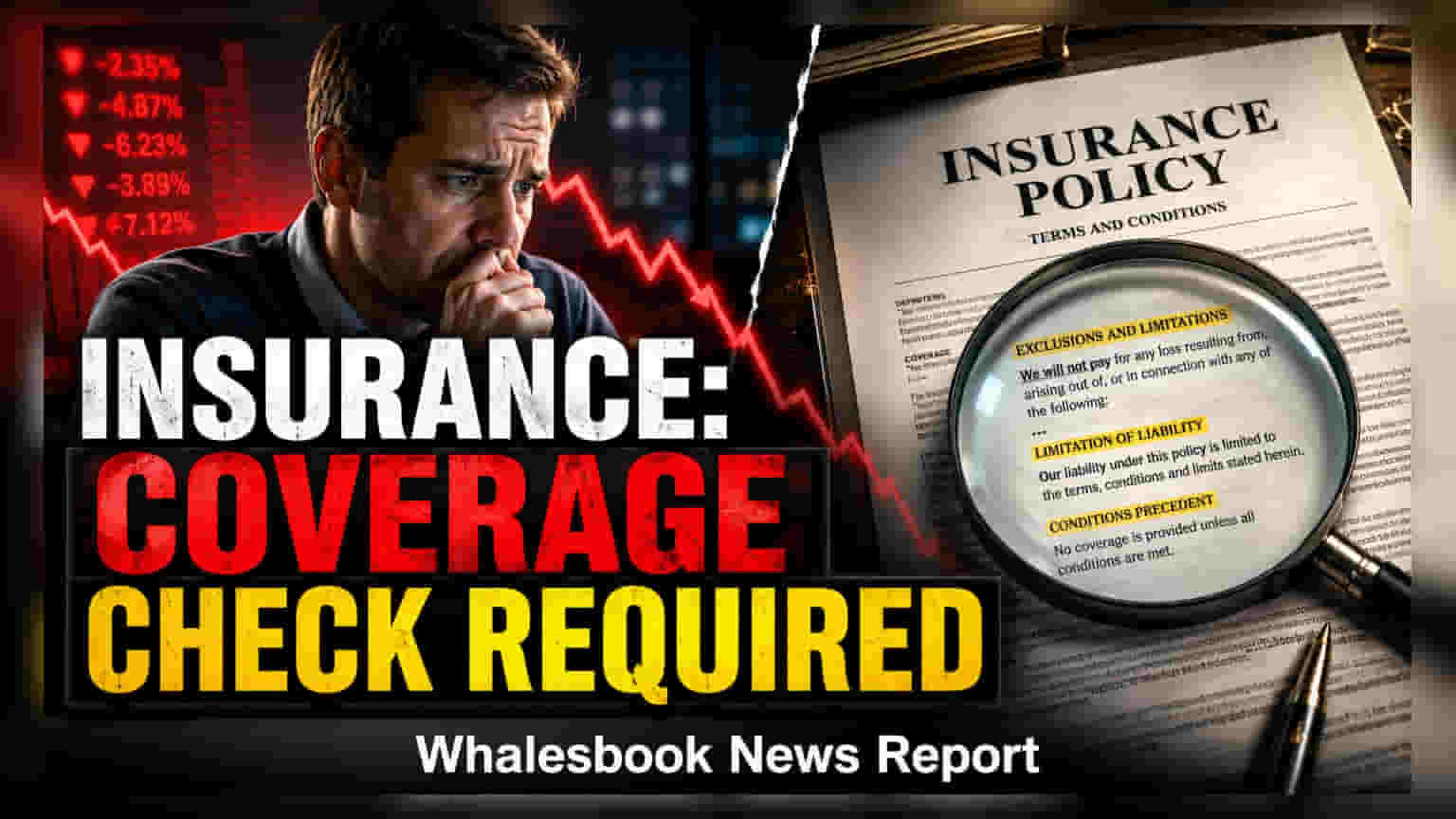
Financial experts recommend reviewing life and health insurance policies beyond renewal dates to adjust for medical inflation and life changes. Failing to audit coverage can lead to either inadequate protection during emergencies or unnecessary spending on redundant policies.
Detailed Coverage
Managing personal finances involves more than just selecting stocks or mutual funds; it requires a strategic approach to insurance. Financial advisers increasingly suggest that policyholders should treat insurance as a dynamic part of their financial plan rather than a 'set and forget' expense. With medical inflation rising, a policy chosen five years ago may no longer cover the actual cost of treatment, leaving individuals vulnerable to unexpected out-of-pocket expenses.
Life Changes and Coverage Gaps
Insurance needs change as individuals move through different life stages. Factors such as marriage, the arrival of children, or taking on a home mortgage significantly increase the level of financial risk a family faces. In such cases, maintaining old life insurance levels could mean the family remains underinsured. Conversely, as financial liabilities decrease—such as when a home loan is paid off or children become financially independent—maintaining high levels of coverage may be an unnecessary financial burden. Regularly aligning insurance with these milestones helps ensure that capital is not wasted on excessive premiums while still maintaining safety nets where they are truly needed.
The Hidden Costs of Overinsurance
While underinsurance is a common concern, overinsurance is an equally important issue. Many individuals accumulate multiple policies over time, often purchased at different stages of their life. This fragmented approach frequently leads to overlapping benefits, where the policyholder pays multiple premiums for the same risks. Identifying and consolidating these redundant policies can free up cash flow that might be better directed toward long-term wealth creation or higher-priority savings. Investors should specifically look for duplicate health covers or small, overlapping term life policies that serve no unique purpose.
Making Informed Policy Reviews
When an insurance renewal notice arrives, the instinct for most is to check only the premium amount. However, this is the most critical time to look deeper into the policy document. Key monitorables include the current sum insured against modern hospital costs, the inclusion of modern treatments in health plans, and whether life insurance payouts are sufficient to clear current debt obligations. By shifting the focus from the premium price to the adequacy of protection, policyholders can better protect their wealth from both medical emergencies and inefficient spending. The next step for any policyholder is to map their current debt, major financial goals, and existing health cover to see if they match their current life situation.