

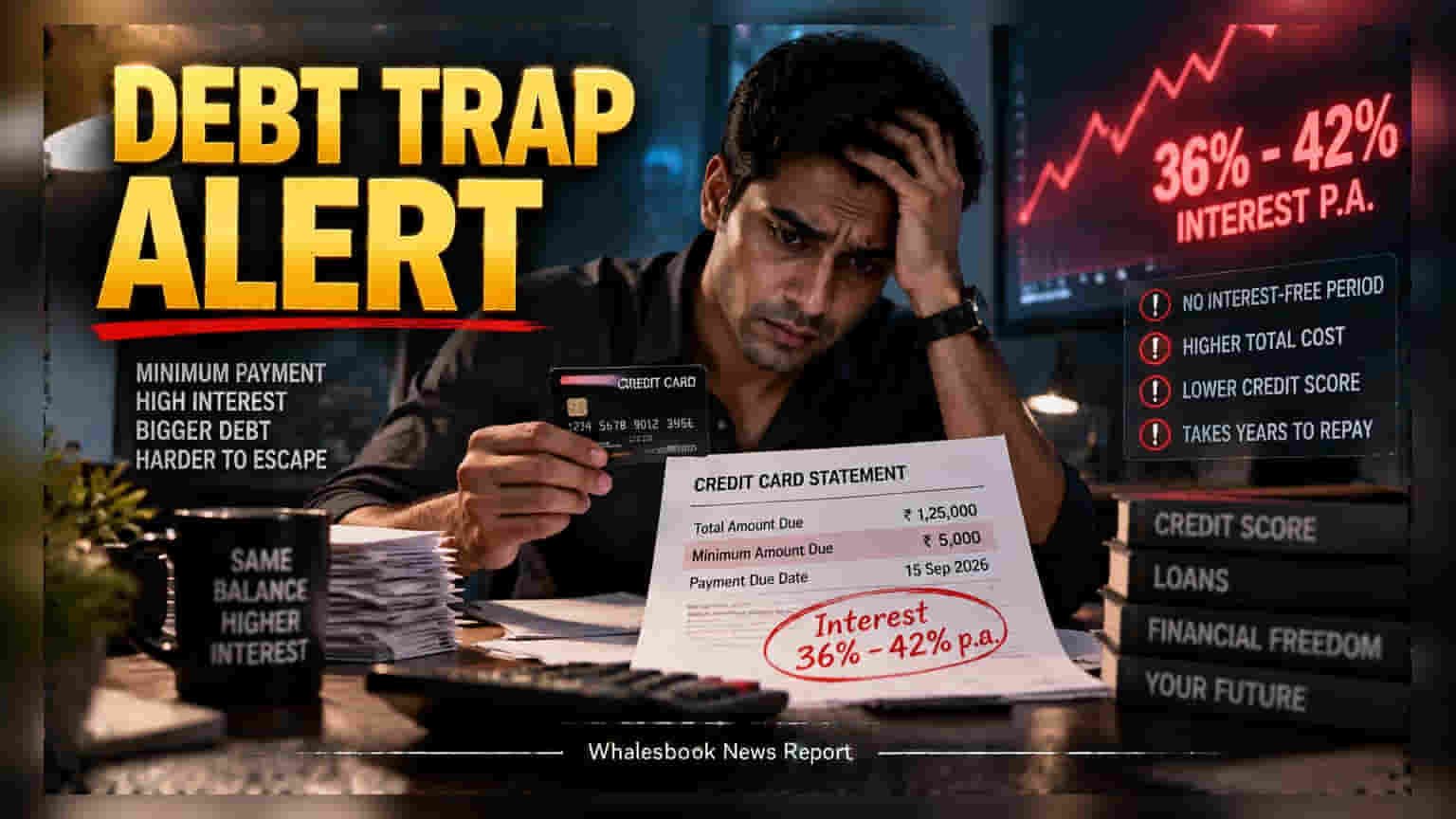
Paying only the minimum credit card amount leads to high-interest debt accumulation and the loss of interest-free grace periods. This cycle can severely damage your credit score and financial health over time.
Many credit card users view the 'minimum amount due' displayed on their statement as a manageable way to handle monthly finances. However, relying on this option often leads to a cycle of high-interest debt that can take years to clear. Understanding how this system works is essential for anyone looking to maintain a healthy personal balance sheet.
The Mechanics of Revolving Debt
When a cardholder pays only the minimum amount, the remaining unpaid balance is carried forward. This balance is then subject to interest charges, which in India often range from 36% to 42% per annum. Unlike a standard loan where the principal reduces steadily, the compounding nature of credit card interest means that even small outstanding amounts can balloon rapidly. Over several months, the interest charged can become a significant portion of the total debt, making it increasingly difficult to reduce the original spending.
The Hidden Loss of Interest-Free Grace
One of the most expensive hidden costs of paying only the minimum is the loss of the interest-free grace period. Credit cards typically allow users to make new purchases without interest if the previous month’s statement is paid in full. Once a user fails to pay the total statement amount, this grace period is often forfeited. Consequently, interest is applied to every new purchase from the date of the transaction. This means that even essential daily expenses, like groceries or utility bills, start attracting high interest charges immediately, effectively increasing the cost of everything purchased.
Impact on Credit Profile
Financial institutions look at credit utilization when assessing risk. This is the ratio of the debt a person holds compared to their total available credit limit. By maintaining a large, revolving balance, a cardholder keeps their credit utilization ratio consistently high. Even if minimum payments are made on time, the sustained presence of significant debt signals a dependency on credit, which can lower a credit score. A lower score can make it harder to secure future loans, such as home or car loans, or result in higher interest rates on those loans.
Managing High Balances
For those unable to clear a full statement balance, paying the minimum is merely a way to avoid a default marking on a credit report. As a long-term strategy, it is inefficient. Many card issuers offer the option to convert outstanding dues into an Equated Monthly Installment (EMI) plan. While these plans charge interest and processing fees, the rates are typically lower than the standard revolving interest rates applied to unpaid card balances. Evaluating these alternatives can help in creating a more structured plan to reduce debt without the compounding pressure of revolving credit.