

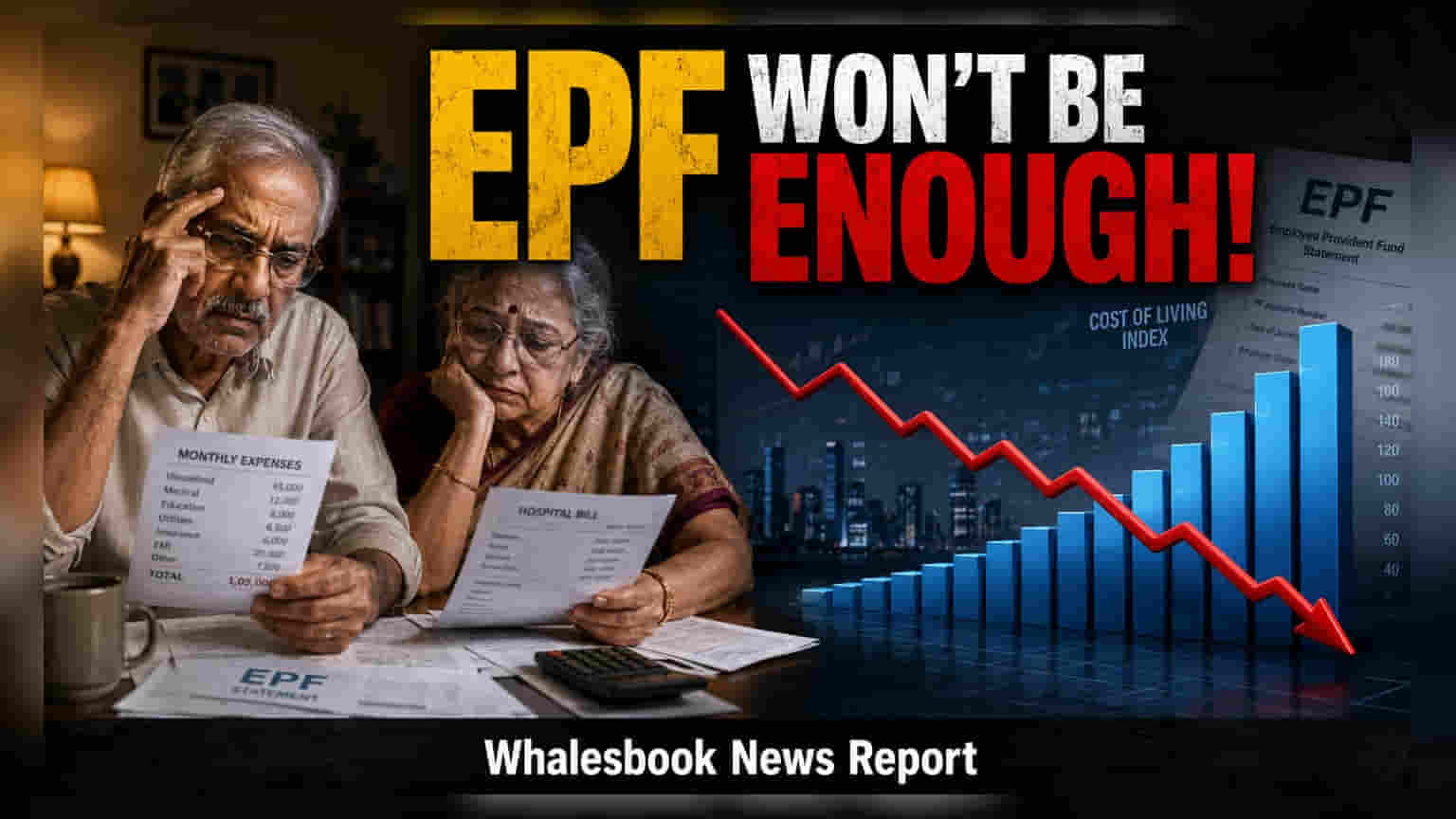
Reliance solely on the Employees' Provident Fund (EPF) can be risky due to longer life expectancies, rising inflation, and healthcare costs. Financial planners suggest integrating EPF with equity mutual funds and the National Pension System (NPS) to build a robust retirement corpus that maintains purchasing power over time.
For many salaried employees in India, the Employees' Provident Fund (EPF) serves as the primary pillar of long-term financial security. Its automated nature and tax-advantaged status make it an essential tool for wealth accumulation. However, as financial needs evolve and life expectancy increases, relying exclusively on this single instrument may lead to a retirement shortfall.
The Impact of Longevity and Inflation
Historical data indicates that retirees today are living longer than previous generations, with retirement periods often spanning 25 years or more. This extended timeline requires a significantly larger pool of capital than was previously necessary. When you combine this with the persistent nature of inflation, the purchasing power of your current savings faces a serious threat. A sum that appears substantial today will likely have significantly less value in two decades, meaning a static savings strategy may fail to cover the rising cost of basic living expenses like food, utilities, and housing.
Healthcare and Unexpected Outlays
Healthcare costs have consistently risen faster than general inflation in India. While employer-provided or private health insurance policies are vital, they often come with limitations, co-payments, or exclusions that can expose retirees to sudden, large out-of-pocket expenses. Without a dedicated financial cushion beyond EPF, a medical emergency can quickly drain years of accumulated savings, turning a comfortable retirement plan into a source of financial stress.
Building a Diversified Portfolio
Professional financial advisors emphasize that retirement planning should be viewed as a diversified portfolio rather than a single-bucket approach. While EPF provides a stable, debt-oriented base, integrating market-linked instruments like equity mutual funds can offer the potential for inflation-beating returns over the long term. Similarly, the National Pension System (NPS) offers a regulated, low-cost structure that encourages disciplined long-term saving with the flexibility to choose between equity and debt assets based on your personal risk appetite.
Managing Your Retirement Strategy
Successful retirement planning requires more than just starting an investment; it demands consistent monitoring. Life stages, salary increases, and changes in family responsibilities should trigger a review of your contribution levels and asset allocation. Investors should track their portfolio’s performance periodically to ensure it remains aligned with their long-term objectives. By shifting from a singular focus on EPF to a broader, multi-asset strategy, individuals can better manage the risks associated with inflation and longevity.