 Whalesbook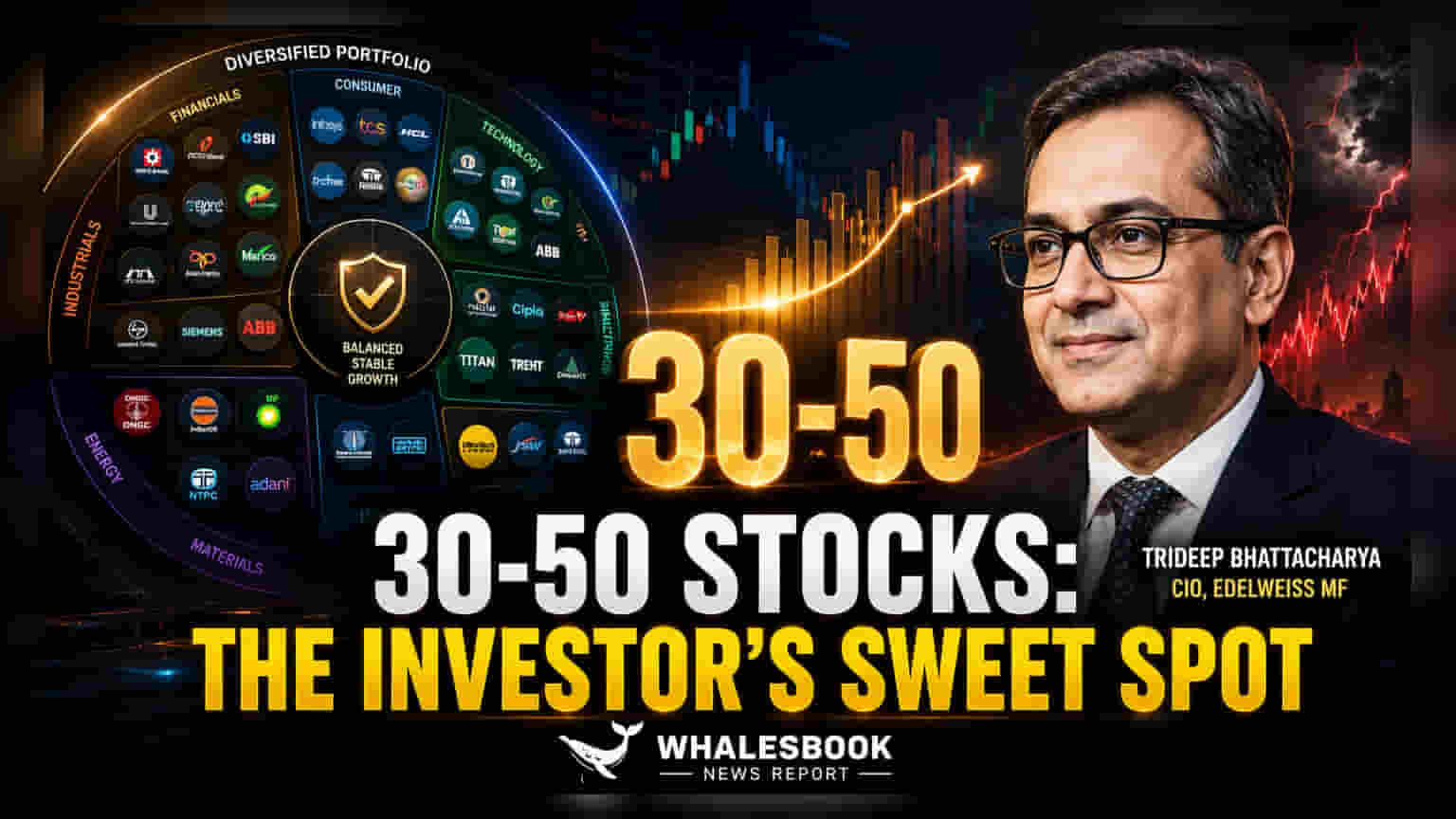


The Cognitive Capacity Constraint
The prevailing obsession with hyper-diversification often leads retail investors into the trap of index replication without the associated cost benefits. While modern portfolio theory long championed the idea that diversification eliminates unsystematic risk, practical application shows that the marginal utility of adding a 51st or 100th stock drops precipitously. The primary constraint for the individual investor is not market access, but cognitive bandwidth. When a portfolio expands beyond 50 names, the ability to synthesize quarterly filings, management changes, and shifts in competitive moats diminishes. Investors essentially become accidental indexers, paying transaction fees for returns that increasingly mirror the broader market benchmarks.
Quantitative Bounds and Performance Drag
Academic scrutiny of portfolio efficiency consistently points to a threshold where the diversification benefit is outweighed by the complexity of management. Data from historical performance studies suggests that the idiosyncratic risk reduction achieved by jumping from 30 stocks to 100 stocks is mathematically negligible, typically less than 2% in volatility variance, yet the tracking requirement for those additional 70 names can consume hours of weekly analysis. Furthermore, dilution often occurs when investors add peripheral holdings simply to fill a quota, a behavior that effectively caps the potential alpha contribution of high-conviction ideas. By contrast, a 30-50 stock universe forces a disciplined ranking system; adding a new security necessitates the eviction of an existing one, ensuring that only the most robust theses command capital.
The Forensic Bear Case: Risks of the 'Sweet Spot' Strategy
While this framework aims to optimize conviction, it relies heavily on the investor's ability to objectively identify a 'thesis violation.' A common pitfall among retail participants is the endowment effect, where investors become psychologically attached to their holdings, rationalizing poor performance as temporary setbacks. In reality, the 30-50 stock model requires a ruthless exit strategy that most individual portfolios lack. If the underlying business model is disrupted by macro headwinds or regulatory shifts, a portfolio of 40 stocks remains just as vulnerable to sector-wide contagion as one of 20. Furthermore, this approach assumes the investor possesses the institutional-grade expertise to audit complex balance sheets effectively. Without the resources of a dedicated research team, an investor with 40 stocks may simply be diversifying their ignorance across 40 companies rather than concentrating on their circle of competence.
Future Outlook on Portfolio Construction
Moving forward, the shift toward algorithmic screening tools is likely to redefine how individual investors manage this balance. As data accessibility improves, the 30-50 stock range will increasingly be managed through factor-based filters rather than manual tracking. Analysts suggest that the future of successful retail portfolio management will prioritize companies with high barrier-to-entry moats and consistent cash flow conversion, as these assets require less frequent intervention than speculative growth picks. For the investor, the ultimate goal remains the alignment of portfolio size with the reality of their available analytical time.