

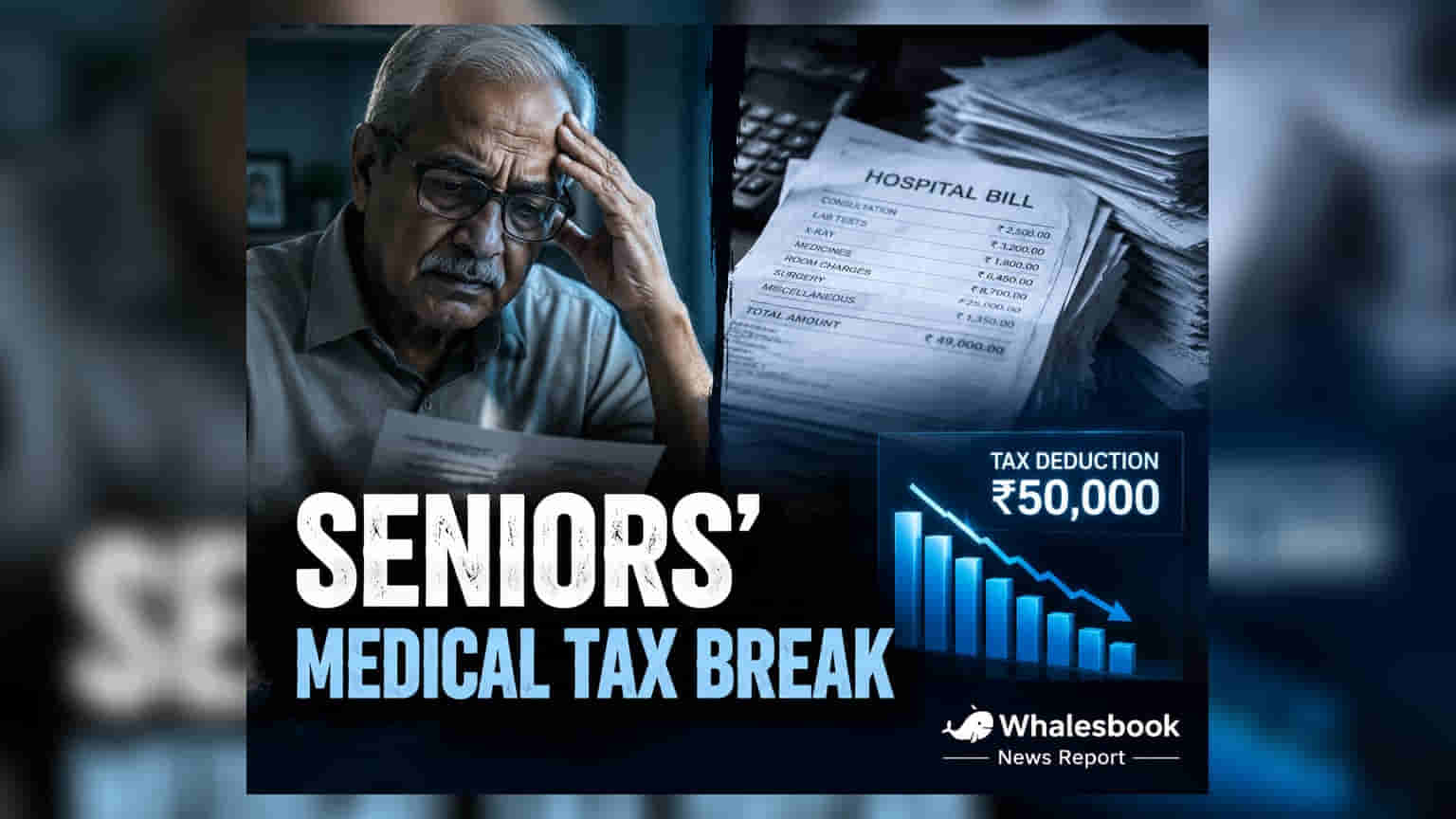
Resident senior citizens or their children can now claim up to ₹50,000 for medical expenses under Section 80D of the Income Tax Act. This tax relief applies only to individuals aged 60 and above who do not hold any health insurance policy. To avail this benefit, taxpayers must maintain detailed medical invoices and ensure payment was made through banking channels.
A new provision under the Income Tax Act now allows resident senior citizens to claim a deduction of up to ₹50,000 for medical expenses incurred during a financial year. This relief is specifically designed for those who do not have health insurance coverage, providing a financial safety net for healthcare costs that were previously not deductible in this manner.
Eligibility and Limits
The deduction applies to all resident senior citizens, which includes individuals aged 60 and above. Whether the person is a senior citizen or classified as a very senior citizen (aged 80 and above), the maximum limit for the deduction remains capped at ₹50,000 per financial year.
For example, if an uninsured 70-year-old resident incurs ₹60,000 in medical bills, they can only claim ₹50,000 against their taxable income. If the actual expenditure is lower, such as ₹35,000, the claim is restricted to that actual amount. This benefit can be claimed by the senior citizen themselves or by a taxpayer who pays for the medical treatment of their uninsured senior citizen parents.
Crucial Conditions for Taxpayers
This deduction is exclusive to those without health insurance. If an individual holds an active health insurance policy, the deduction for medical expenses is not available; in such cases, the taxpayer can only claim a deduction for the health insurance premium paid, as per existing rules under Section 80D. It is important to note that the benefit cannot be claimed by both the parent and the child for the same expense. Only the person who actually funded the medical treatment is eligible to file the claim.
Documentation and Compliance
To ensure the claim is accepted during tax assessment, taxpayers must maintain rigorous financial records. This includes original hospital invoices, pharmacy bills, diagnostic reports, and doctor’s receipts. Because the tax department requires proof of payment for medical expenses, transactions should ideally be conducted through banking channels such as cheques, credit cards, or net banking transfers. While there is a provision for cash payments regarding preventive health check-ups—capped at ₹5,000—general medical expenses for this deduction require clear audit trails to substantiate the claim. Taxpayers should also keep proof of the senior citizen’s age and, in cases where a child is claiming for a parent, proof of the familial relationship to avoid discrepancies during income tax processing.