

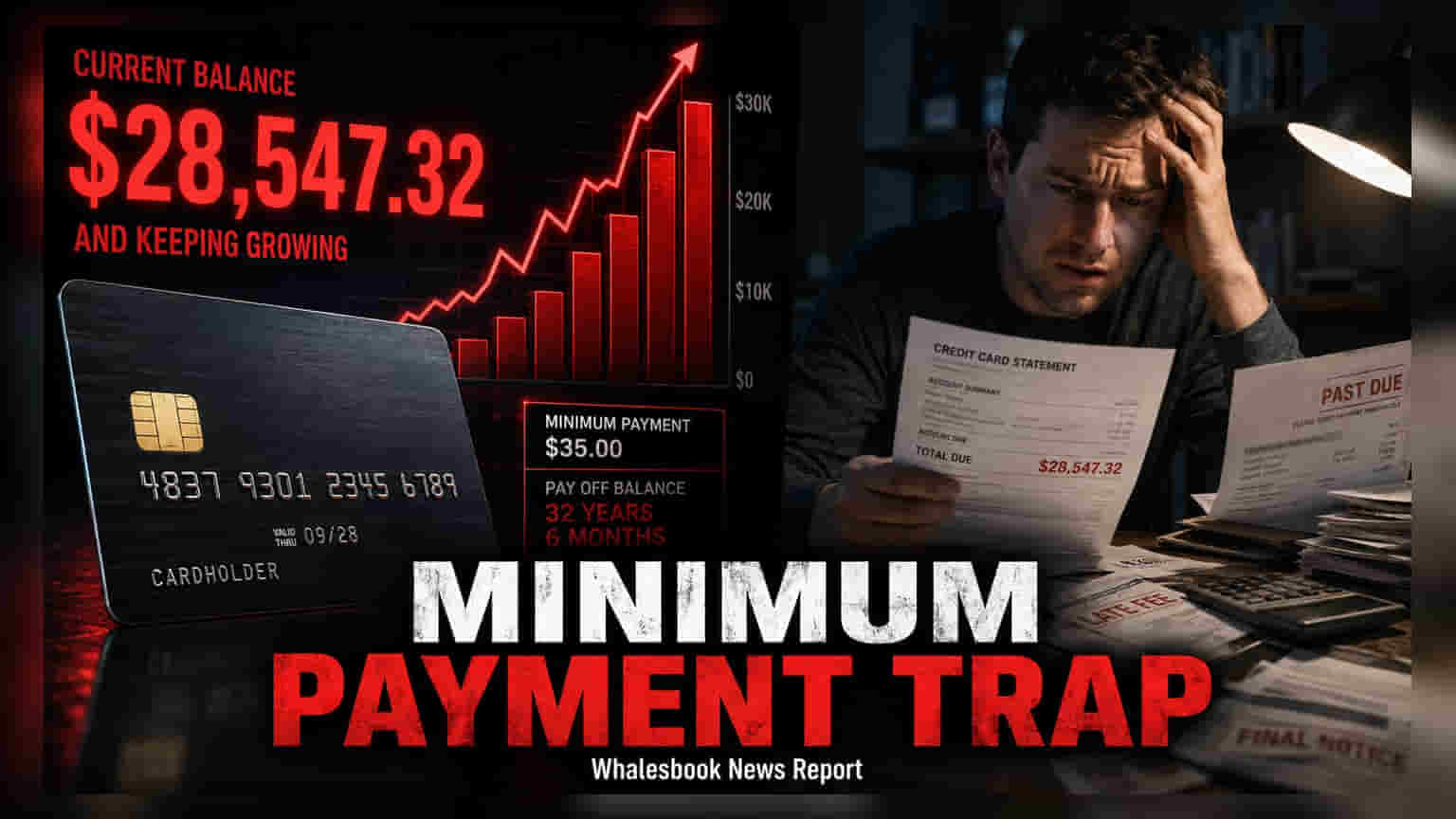
Choosing to pay only the minimum amount on credit cards avoids immediate default but triggers high interest rates and risks long-term financial strain. This strategy often results in the loss of interest-free periods on new purchases and elevates credit utilization ratios, which can negatively affect credit scores over time.
For many credit card users, the option to pay only the “minimum amount due” on a monthly bill can seem like a convenient way to manage temporary cash flow constraints. However, financial analysts and banking regulations highlight that this common practice is often a debt trap that can lead to years of repayment and substantial interest expenses. While paying the minimum prevents an account from being flagged as overdue, it does not stop the interest clock from ticking on the remaining balance.
The High Cost of Compounding Interest
Credit cards in India typically carry high annual interest rates, often ranging between 20% and 45%. When a cardholder pays only the minimum, the bulk of that payment often goes toward interest and fees rather than reducing the principal debt. Consequently, the outstanding balance compounds rapidly. According to Reserve Bank of India (RBI) guidelines, banks and card issuers are required to clearly communicate the long-term cost and time implications of paying only the minimum amount. This transparency is intended to warn users that consistently making minimum payments significantly extends the loan tenure and increases the total amount repaid.
The Hidden Cost of Lost Grace Periods
One of the most overlooked consequences of carrying a balance is the forfeiture of the interest-free period. Usually, credit cards offer a grace period for new purchases, provided the previous month's bill was paid in full. However, once a user starts carrying an unpaid balance from a previous cycle, this benefit is often suspended. This means that any new transaction made on the card begins accruing interest immediately from the date of purchase. For users who continue to use their credit cards while only making minimum payments, this can lead to an exponential increase in debt, as interest is applied to both the old balance and every new item charged to the card.
How Credit Utilization Affects Your Score
Beyond immediate interest costs, consistent minimum payments can erode a user's creditworthiness. Credit bureaus like CIBIL look at the “credit utilization ratio”—the percentage of the total available credit limit that is currently being used. Lenders generally view a high utilization ratio as a sign of financial stress. Even if payments are made on time, keeping a balance high relative to the card's limit can negatively impact the credit score. A lower credit score can reduce a borrower's future ability to secure loans, mortgages, or better interest rates on other financial products.
Managing Personal Debt
Financial experts suggest that when the full balance cannot be cleared, the most critical step is to stop making new purchases on the card immediately to prevent further interest accumulation. Prioritizing the repayment of high-interest credit card debt over other non-essential financial goals is essential. Users should also regularly review their credit reports to ensure there are no errors and to monitor their debt levels, ensuring that credit tools do not transform into long-term financial burdens.