

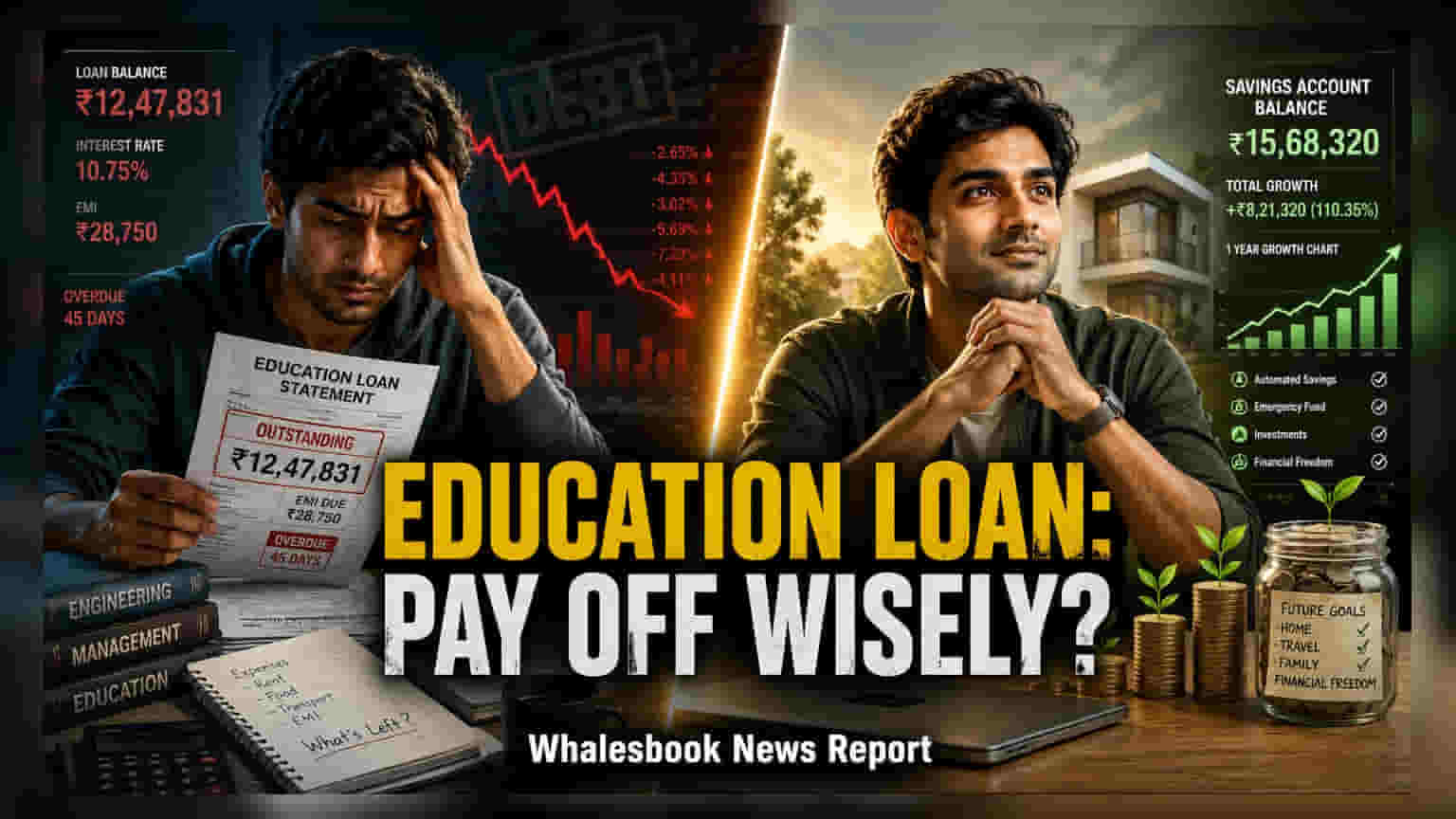
Many graduates rush to pay off education loans, but this may hurt long-term financial health. Instead of clearing debt quickly, borrowers should evaluate interest rates, tax benefits, and the need for an emergency fund. Balancing loan payments with savings often builds a stronger financial foundation.
Starting a career brings the immediate responsibility of managing student debt. While the urge to clear these loans as quickly as possible is common, rushing into full prepayment is not always the best financial move. A strategic approach that considers interest costs, tax benefits, and personal savings goals often yields better results than a hurried closure.
The Math Behind Prepayment
The most important step is comparing your loan interest rate with the potential returns from other investments. If your education loan carries a relatively low or competitive interest rate, keeping the cash and investing it in assets that offer higher long-term returns might be more beneficial. The decision should be based on data rather than the emotional relief of being debt-free. If the loan interest rate is high, however, reducing the principal balance could save significant interest costs over the loan tenure.
Prioritize Your Financial Base
Before putting extra money toward an education loan, ensure your basic financial security is in place. This includes building an emergency fund that covers at least six months of living expenses, maintaining adequate health insurance, and starting your retirement savings. Neglecting these areas to clear a loan can leave you vulnerable to unexpected financial shocks, which might force you to take on new, higher-interest debt later.
Use Tax Advantages
Under Section 80E of the Income Tax Act, the interest paid on an eligible education loan is deductible from your taxable income. This deduction is available for up to eight years, or until the interest is paid in full, whichever is earlier. While this tax benefit should not be the sole reason to keep a loan, it effectively lowers the actual cost of borrowing. Ignoring this benefit by prepaying too early could mean missing out on significant tax savings.
Flexible Repayment Strategies
Prepayment does not have to be an all-or-nothing commitment. You can use annual bonuses, salary increments, or unexpected windfalls for partial prepayments. This approach reduces the principal amount and the total interest burden over time without draining your liquid savings or disrupting your long-term financial plan. Always review your loan agreement before making any lump-sum payments to confirm there are no prepayment penalties, although most education loans typically do not charge them on floating-rate products.
Ultimately, an education loan should be treated as just one part of your larger financial picture. By balancing debt reduction with saving, investing, and tax planning, you can work toward being debt-free without sacrificing your other financial aspirations.