 Whalesbook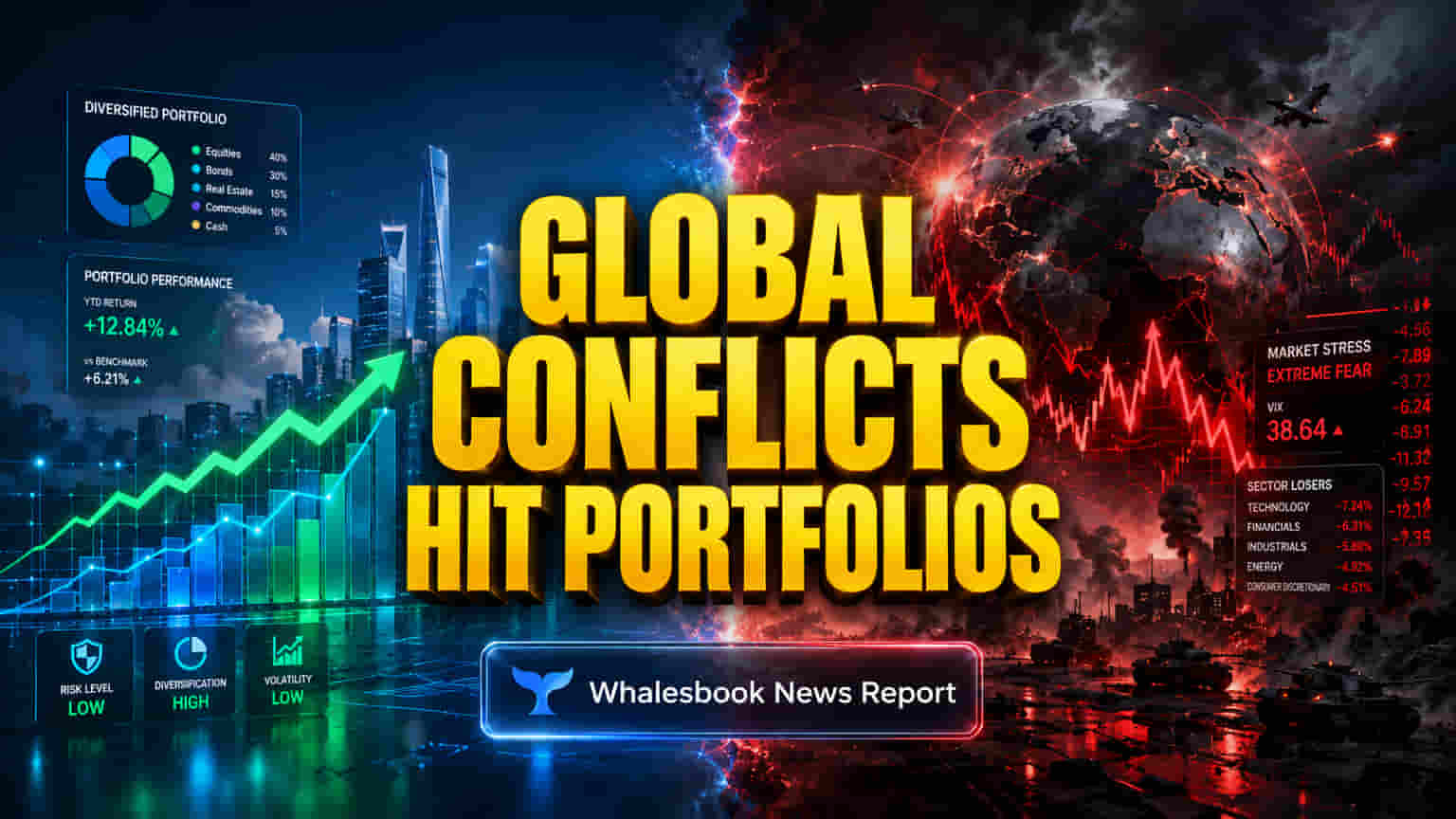


Geopolitical Stress Demands New Investor Tactics
Global geopolitical tensions and trade disputes create a tough environment for investors. While everyday advice often tells retail investors to accept market swings and stick to long-term plans, large institutions know they need to constantly change their strategies. The idea that "uncertainty is permanent" means they can't just stay put. Smart money managers see this not as a brief storm, but a fundamental shift that requires active steps to protect and grow wealth. This leads to building portfolios designed for stability and ready to take advantage of market disruptions. While market swings can be nerve-wracking, they also offer chances for smart moves rather than just waiting it out.
Advanced Strategies Go Beyond Diversification
Institutions are building advanced risk management systems to handle ongoing geopolitical unease. This involves detailed scenario planning and testing portfolios against various global shocks, which is much deeper than just adjusting asset mixes. Many are boosting their tactical flexibility, letting them quickly shift investment types based on changing geopolitical views. Keeping enough cash ready is also crucial, not just to ride out tough times but to actively buy when markets dip. Simple diversification, while important, might not be enough to protect against widespread shocks or grab good deals.
Historically, market drops caused by geopolitical events, like trade wars or global conflicts, were often sharp but temporary. Recoveries can happen fast, so investors who leave the market risk missing big gains. Studies show missing just a few of the best trading days after a drop can severely hurt long-term results. Sectors that often hold up well include defensive areas like healthcare and utilities, plus companies with strong finances, the ability to raise prices, and varied supply chains. These traits help them manage inflation and shipping issues.
The Danger of Sticking to Old Ways
The biggest danger in long-term geopolitical uncertainty isn't market swings, but complacency from sticking to old strategies. Investors who don't adapt risk falling far behind. Today's complex global issues mean simple diversification might not work if shocks hit many asset types at once. Long geopolitical unrest can also slow down global trade and investment, leading to long stretches of weak economic growth for most businesses. The risk of multiple crises – financial, political, or environmental – means investors must be watchful and prepare for broad risks, not just react. Staying out of the market during recoveries, or failing to build resilience, severely drags down long-term portfolio returns.
Looking Ahead: Preparedness is Key
Given that geopolitical challenges are likely here to stay, being strategically prepared will be key to long-term investment success. Institutions will likely keep improving flexible investment plans, focusing on quality companies that can raise prices, and managing cash to take advantage of market flaws. The main goal will be building portfolios that can handle market swings but are also set up to profit from eventual rebounds. They know that market dips are often short-lived, but seizing those chances can bring lasting benefits.