

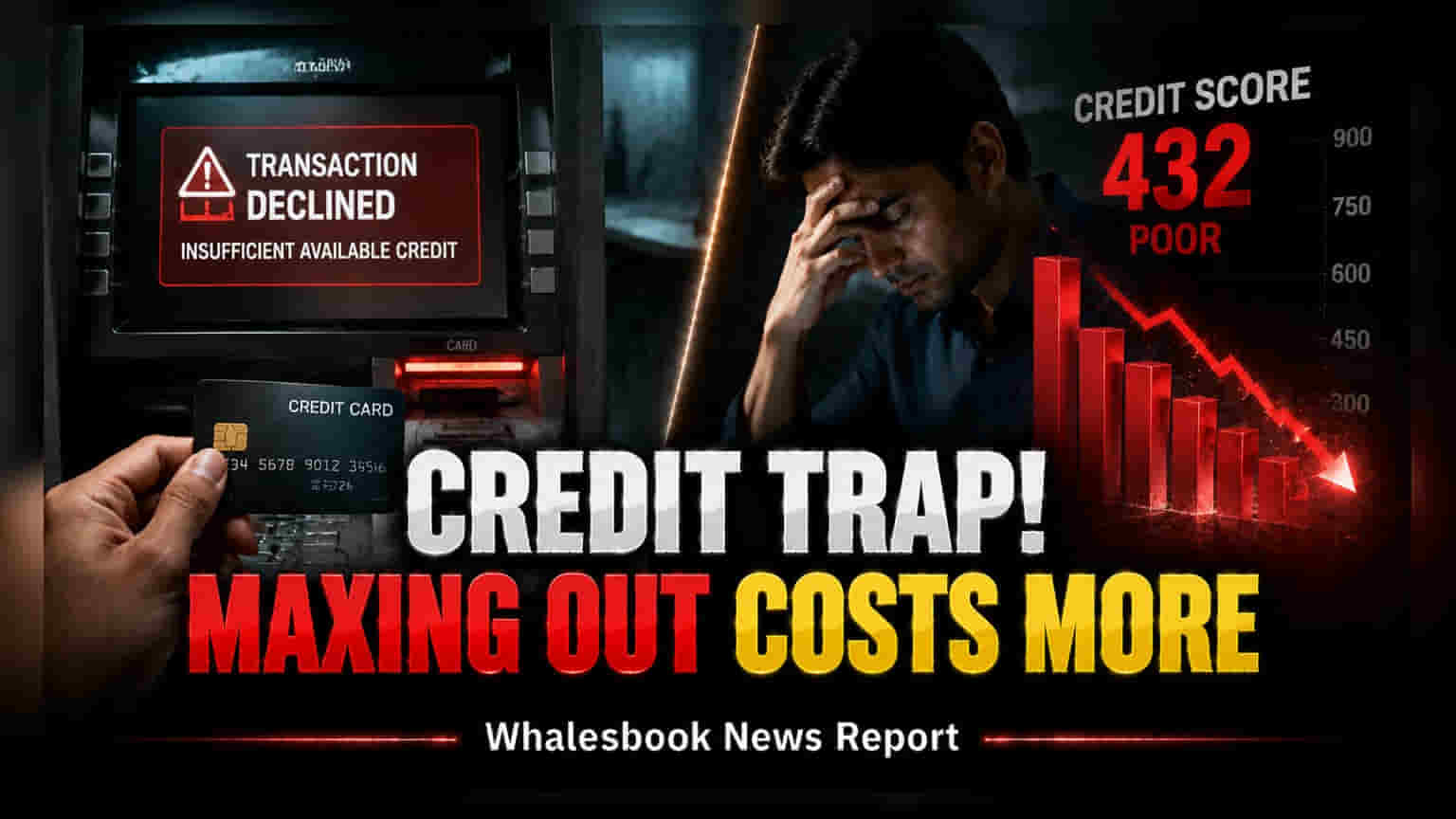
Consistently using a large portion of your credit card limit can negatively affect your credit profile and loan eligibility. Even with timely payments, high utilization signals financial strain to lenders. Experts suggest keeping your usage well below the limit to maintain a healthy credit score.
Many credit card users in India operate under the impression that making on-time payments is the only requirement for building a strong credit profile. However, credit bureaus and lenders look at several data points beyond payment history, with credit utilization—the percentage of your total available credit limit currently being used—playing a critical role.
Why Lenders Track Your Utilization Ratio
Credit utilization is a key metric in your CIBIL score calculation. When you consistently use most of your available credit, lenders may perceive this as a sign of financial dependency or potential distress. Even if you pay off the full balance every month before the due date, credit card issuers usually report your outstanding balance to bureaus on your statement generation date. If that reported balance is high relative to your limit, it can result in a temporary dip in your credit score, which might impact future loan approvals or interest rate offers.
The Impact of High Credit Usage
To understand the perspective of a lender, consider two borrowers with a credit limit of ₹1 lakh. The first borrower typically uses ₹20,000, representing 20% utilization, while the second borrower uses ₹95,000, representing 95% utilization. While both individuals pay their dues on time, the second borrower appears to be operating much closer to their financial ceiling. Financial advisors generally recommend maintaining a utilization ratio below 30% to keep your credit profile attractive to banks and non-banking financial companies.
Managing Your Credit Footprint
As banks offer higher credit limits to responsible users, it is important to remember that these increases are not meant to encourage higher spending. Maintaining your monthly expenses at a steady level even after a limit hike can automatically lower your utilization ratio, which helps in improving your credit standing over time.
For those who have had high spending in a particular month, one strategy is to make partial payments toward the outstanding balance before the statement generation date. This lowers the balance that gets reported to credit bureaus. However, the effectiveness of this move depends on the reporting practices of the specific card issuer.
Ultimately, a credit card should be used as a financial tool for convenience rather than a way to supplement limited cash flow. If you find yourself consistently nearing your credit limit, it may be time to audit your monthly expenses and ensure that your spending aligns with your overall budget. Keeping a buffer in your credit line is essential for maintaining financial flexibility and protecting your credit score against unexpected liquidity needs.