

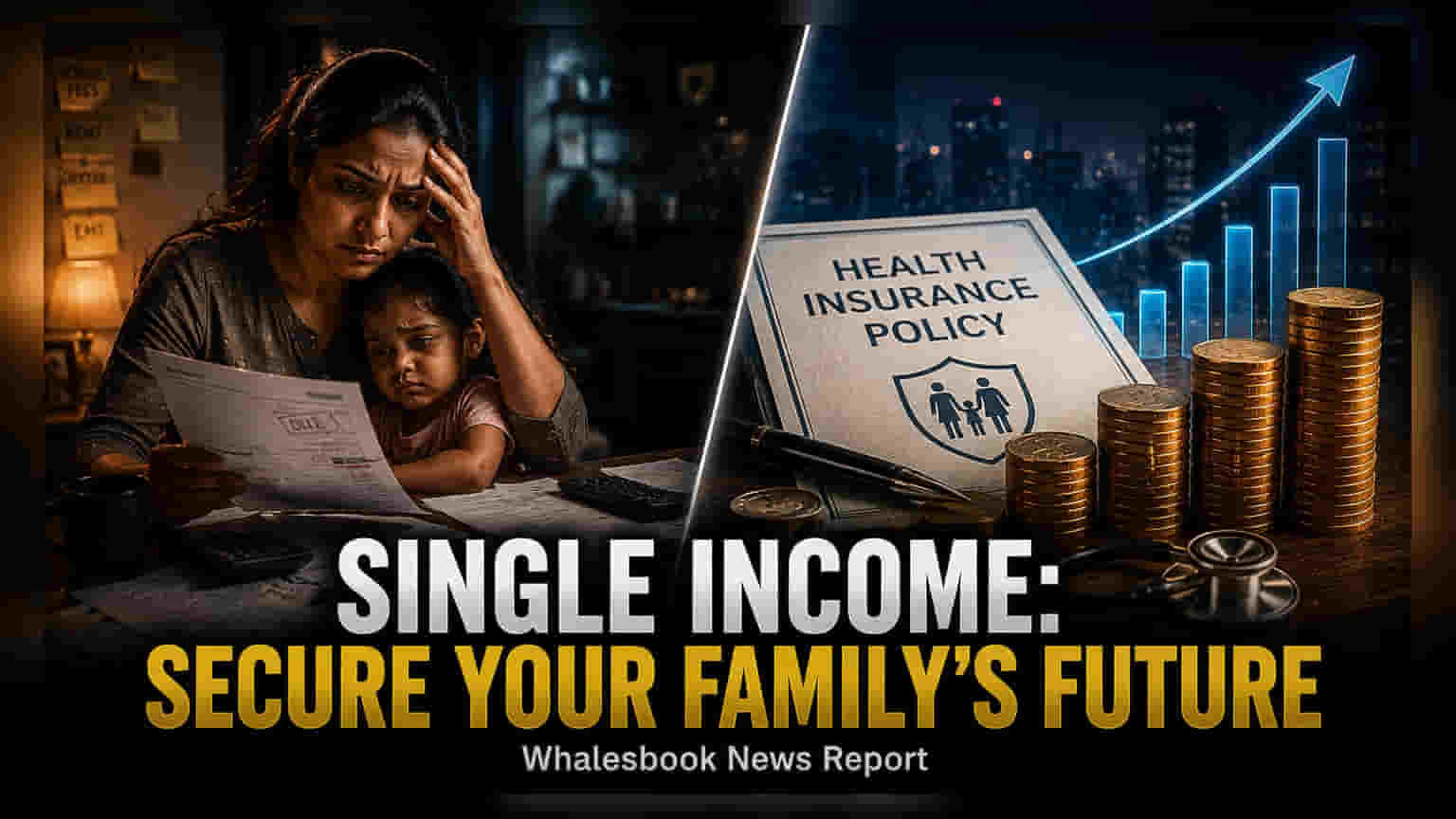
Families relying on one income should build an emergency fund covering six months of essential expenses to manage potential income loss. Securing personal health and term insurance, alongside prudent debt management, is vital for long-term stability. Maintaining systematic investments while avoiding lifestyle inflation helps ensure financial security during unforeseen events.
Detailed Coverage
For households dependent on a single earner, financial stability is a significant priority. When one income stream covers all family needs—from daily living and education to debt payments—any interruption in that income can cause immediate financial hardship. Preparing for such uncertainties involves a structured approach to saving, insurance, and debt management.
Building a Financial Buffer
The foundation of financial security for single-income families is an emergency fund. This pool of money should be kept in highly liquid accounts, such as savings accounts or liquid mutual funds, to be accessible at short notice. The general rule is to save at least six months of essential living expenses, including rent or home loan EMIs, utility bills, and basic food costs. A larger buffer is often recommended if the breadwinner works in a sector prone to cyclical slowdowns or job instability.
Insurance and Risk Protection
Many families rely solely on insurance provided by employers. However, this coverage typically ends if an individual changes jobs, retires, or faces unexpected unemployment. A dedicated personal health insurance policy, such as a family floater plan, ensures continuous coverage regardless of employment status. As healthcare costs rise, having a personal policy prevents medical emergencies from draining long-term savings meant for children’s education or retirement.
Term life insurance is equally critical for single-income households. It serves as a replacement for the earner’s income, providing dependents with the necessary capital to sustain their lifestyle and meet financial obligations if the earning member is no longer present. It is important to ensure the coverage amount is based on the family's actual future needs rather than just the lowest premium.
Debt Management and Investment Discipline
Managing debt is another pillar of stability. While long-term debt like home loans is common, taking on multiple short-term loans can significantly restrict cash flow. Before committing to new monthly debt obligations, it is essential to calculate if the family could still cover basic expenses if the primary income were temporarily reduced.
Investment activities, such as contributions to the Employees' Provident Fund (EPF) or Public Provident Fund (PPF), should continue even while building an emergency fund. However, the balance between liquidity and long-term growth is key. Avoiding lifestyle inflation—where discretionary spending rises in line with salary increases—allows families to redirect extra income toward strengthening their emergency fund or increasing their insurance cover. Finally, maintaining a centralized, accessible record of all financial accounts and insurance documents is a simple but important step to assist family members during an emergency.