 Whalesbook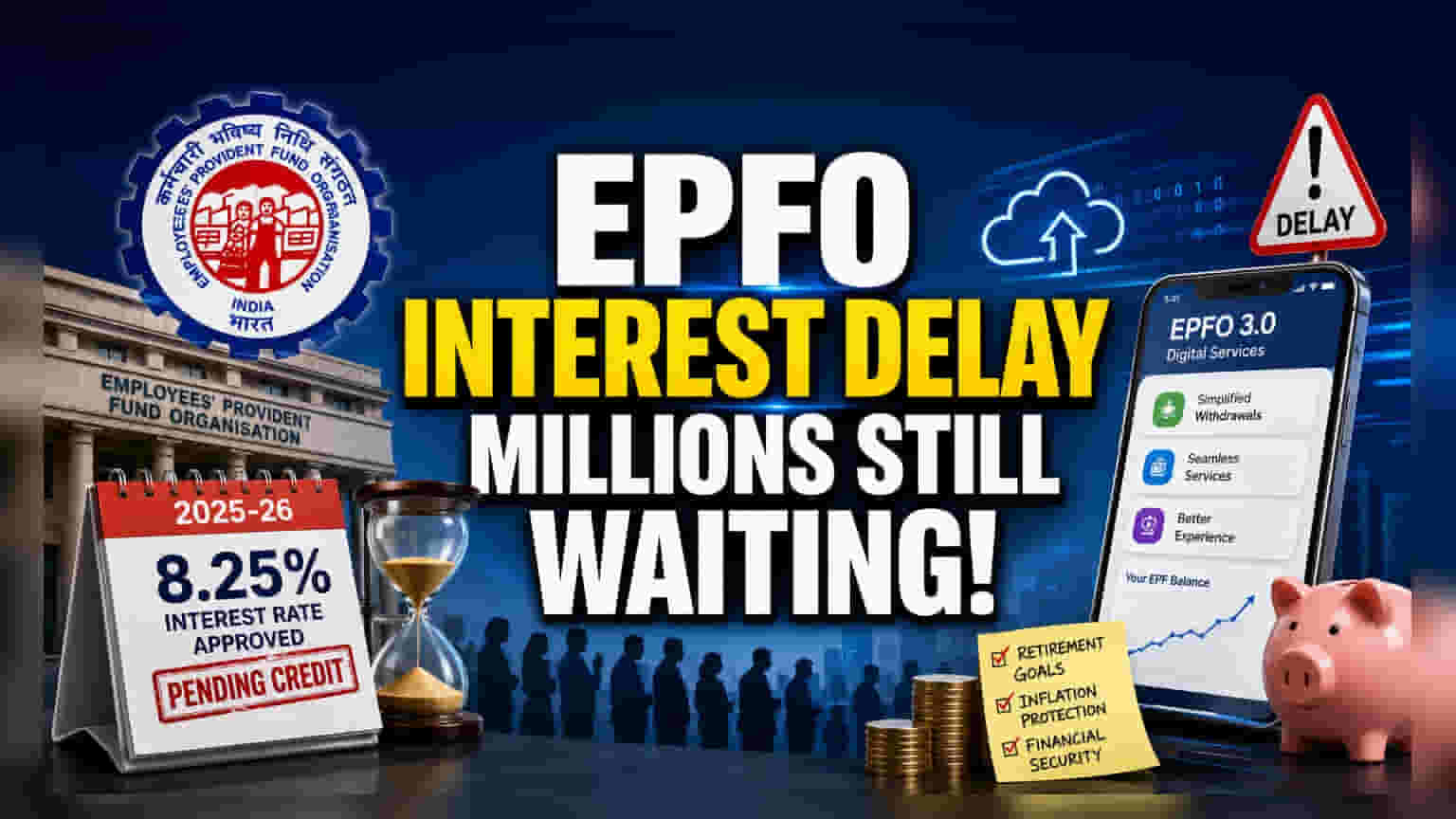


The Administrative Bottleneck
Although the Central Board of Trustees signaled approval for an 8.25% interest rate for the 2025-26 fiscal year back in March, the capital remains absent from millions of individual accounts. The delay is not merely a matter of bureaucratic red tape but rather a symptom of the extensive record-reconciliation process required to ensure accuracy across an massive, heterogeneous database of subscribers. Financial authorities must finalize the gazette notification before the interest can be officially pushed into the system, a step that is currently absent, leaving millions of salaried professionals awaiting their expected retirement yield.
Infrastructure Realities vs. Digital Ambition
While the EPFO promotes its ongoing 'EPFO 3.0' digital transformation—an initiative marketed as the solution for faster withdrawals and seamless service delivery—the current delay serves as a reminder of the friction inherent in legacy systems. Unlike private-sector financial institutions that have optimized real-time interest crediting, the retirement fund continues to operate on a batch-processing model that is susceptible to significant calendar delays. This structural lag often leaves members without access to accurate balance data for weeks, complicating personal financial planning for those relying on these annual credits to offset inflationary pressures.
The Silent Opportunity Cost
For the average subscriber, the stagnant 8.25% rate, while competitive against standard bank savings accounts, represents a period of effectively frozen liquidity. When benchmarked against prevailing debt market instruments or liquid funds that adjust for market conditions in real-time, the EPFO’s delayed crediting system forces a mismatch between investor expectations and actualized returns. Because the interest is tax-exempt, the urge to remain within the system is high, yet the lack of a firm credit date creates a distinct disadvantage for individuals managing near-term cash flow needs using their provident fund as a proxy for a rainy-day account.
Risks and Systemic Outlook
Investors should remain cautious regarding the promised timeline for the rollout of the 3.0 platform. Historical precedent suggests that large-scale government-led digital migrations frequently suffer from extended deployment phases and initial operational glitches. Until the system demonstrates the ability to execute annual interest updates without manual reconciliation delays, subscribers should anticipate similar holding patterns in future fiscal cycles. The current lack of a definitive payout schedule underscores the necessity for members to maintain separate, more liquid emergency funds rather than relying solely on the annual crediting cycle of the provident fund.