

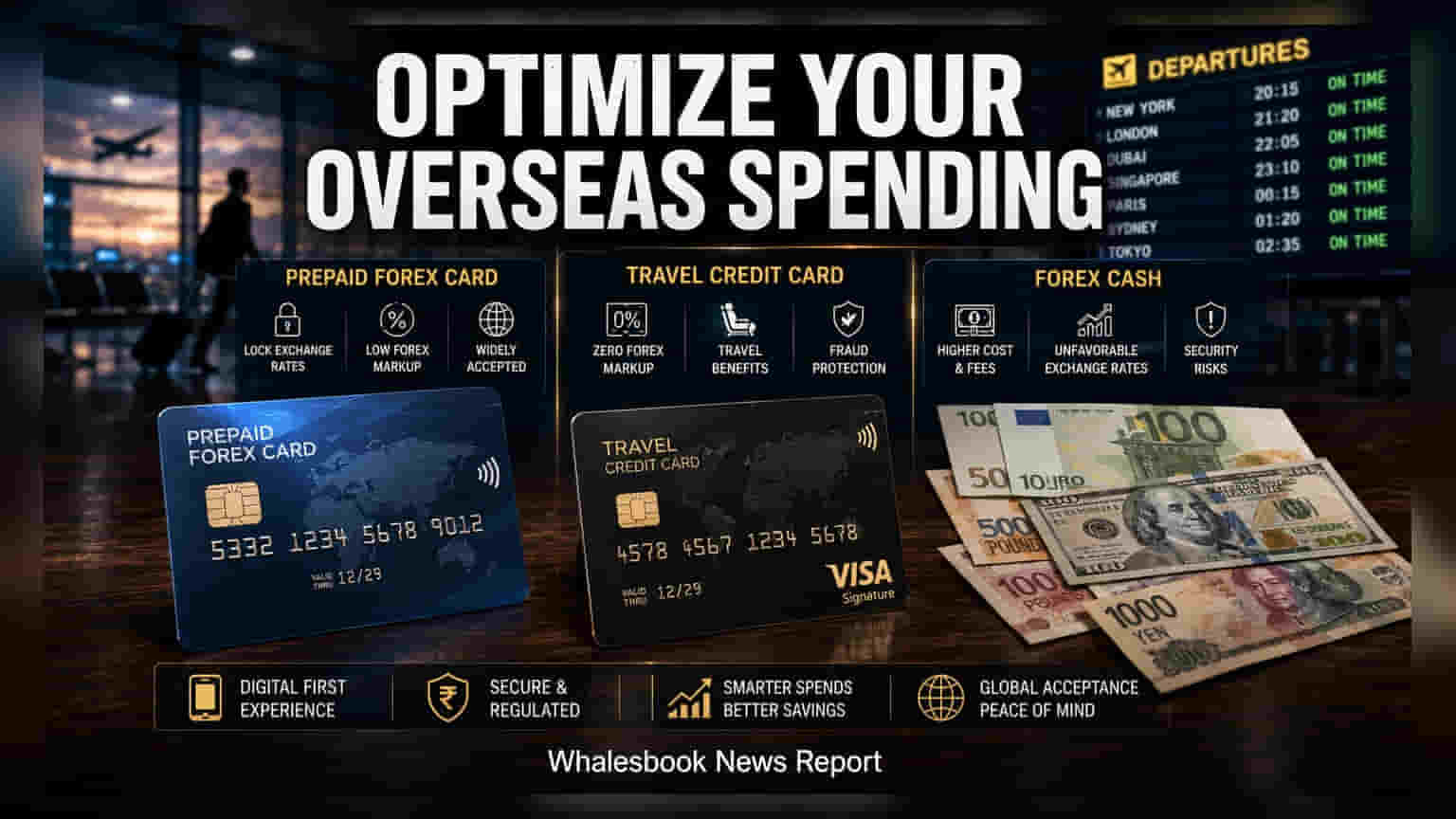
India’s outbound travel boom is shifting the payment landscape, with banks and fintech firms competing to offer specialized foreign exchange solutions. As travellers increasingly move toward zero-markup cards and digital wallets to avoid hidden fees, financial institutions are focusing on capturing this high-value market segment. This trend highlights a broader evolution in consumer banking and the importance of capturing international spending habits.
The rise in Indian international travel is creating a significant battleground for financial service providers. With more Indians exploring global destinations, the market for foreign exchange (forex) services has become a key area of focus for both traditional banks and new-age fintech companies. The competition is no longer just about offering a credit card; it is about providing integrated, cost-efficient, and secure digital payment solutions that challenge the traditional reliance on expensive cash or basic debit cards.
The Shift Toward Digital Forex Solutions
Financial institutions are increasingly competing to differentiate their travel products by addressing common pain points such as high forex markups and the hidden costs of Dynamic Currency Conversion (DCC). In the past, travellers often relied on standard credit or debit cards, which frequently carried heavy transaction fees and opaque exchange rates. Today, the market is seeing a surge in specialized prepaid forex cards and credit cards with zero or low-markup structures. These products allow users to load and lock in exchange rates before they travel, a feature that provides budget certainty and appeals to the growing segment of cost-conscious international travellers.
Fintech firms are playing a significant role in this shift by partnering with banks to offer digital-first, user-friendly interfaces that manage international spends. By highlighting the disadvantages of DCC—where terminals often apply unfavorable exchange rates at the point of sale—these companies are gaining traction among tech-savvy users. This strategy not only helps in customer acquisition but also allows financial players to gather valuable data on consumer spending patterns in overseas markets.
Strategic Importance For Financial Players
For traditional banks and fintechs alike, capturing the international travel segment is a strategic move to build deeper relationships with premium customers. The travel finance segment is viewed as high-value, often leading to increased cross-selling opportunities for other products such as travel insurance, loans, and investment services. However, the sector is not without its risks. Intense competition is squeezing the margins on forex services, and players are under constant pressure to innovate while maintaining profitability.
Regulatory monitoring remains a critical factor for the industry. Any changes in Reserve Bank of India (RBI) norms regarding remittances or international payments can have an immediate impact on how these services are delivered. Furthermore, security is a major operational risk; as payment methods become more digital, the cost of ensuring fraud protection and cybersecurity for international transactions continues to rise for issuers.
Investors and market participants are observing how these financial players scale their offerings. The next phase of growth will likely depend on how effectively these companies can maintain user engagement beyond the travel season. Key monitorables include the adoption rate of digital-first forex products, the ability of banks and fintechs to manage the risks associated with volatile currency markets, and their success in reducing customer acquisition costs in an increasingly crowded segment.