

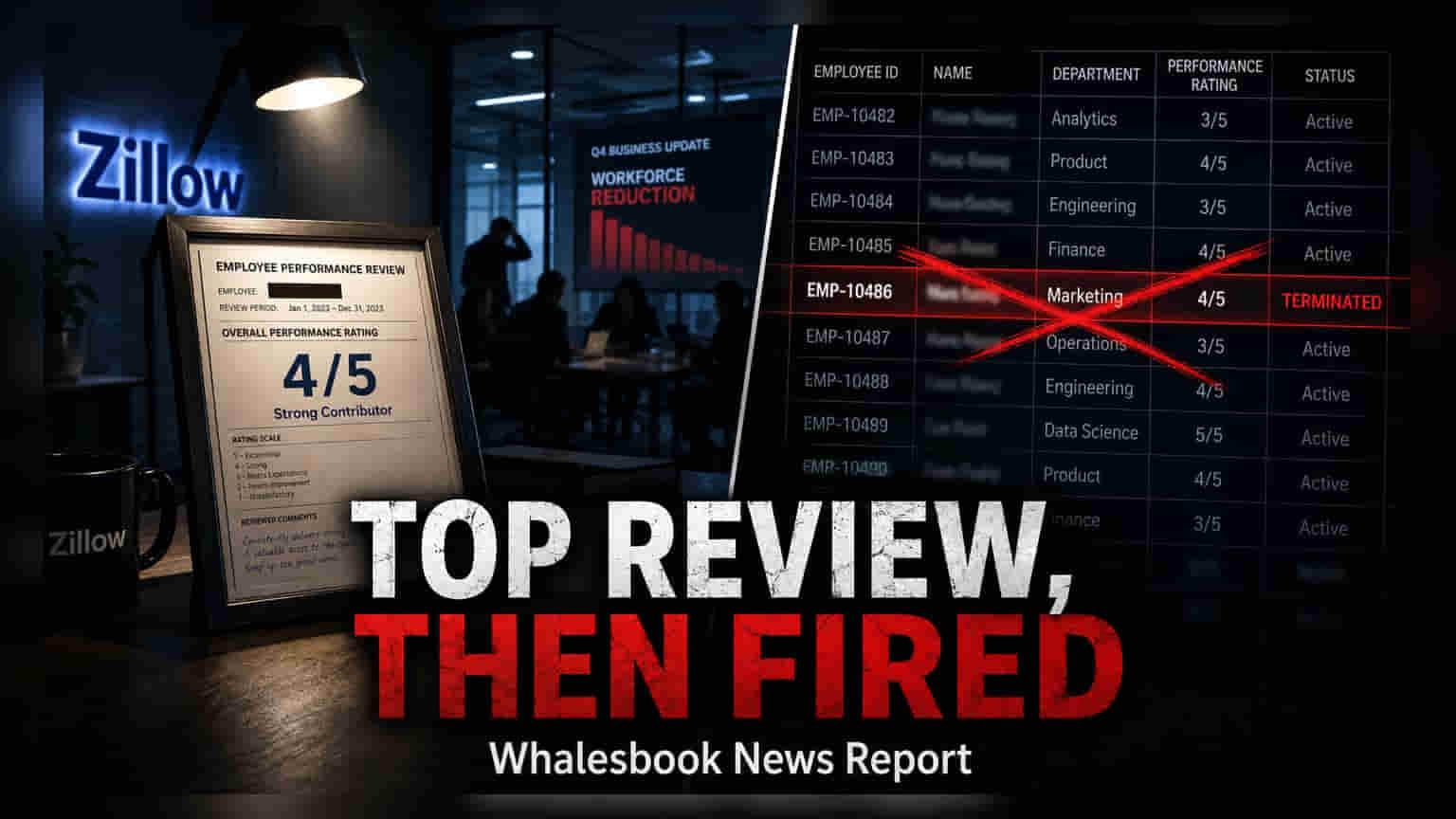
Zillow has cut over 500 jobs—its second round of layoffs in 2026—as it aims to control costs despite an 18% revenue jump. The restructuring, which resulted in a $4 million net loss for the second quarter, highlights the company's struggle to navigate a stagnant housing market while managing high operational expenses.
Zillow Group announced a significant workforce reduction on August 4, 2026, cutting over 500 positions, which accounts for approximately 7% of its total staff. This move marks the company's second round of layoffs this year, following a reduction of 200 employees in January. While the company maintains that these decisions are part of a disciplined cost-structure strategy, the layoffs have coincided with reports of high-performing employees being dismissed, sparking wider discussions about the disconnect between individual performance reviews and corporate restructuring plans.
Financial data released alongside these workforce changes explains the pressure behind the decisions. In the second quarter of 2026, Zillow reported revenue of $772 million, an 18% increase compared to the same period last year. However, despite this top-line growth, the company posted a net loss of $4 million. This loss was largely driven by a $36 million one-time restructuring charge, underscoring the heavy cost of these organizational changes.
Management has attributed the need for these measures to a flat housing market. As the US housing sector faces continued pressure from interest rates and low inventory levels, companies like Zillow are adjusting their operational models to protect margins. For investors, the company's shift toward a 'Zillow Preferred' model remains a key area of focus. Whether these cost-cutting measures will lead to sustained profitability depends heavily on the company's ability to navigate these housing market headwinds and execute its service-based strategy effectively.
Zillow is a US-based company traded on the Nasdaq. It is not listed on Indian stock exchanges. For Indian investors, the development serves as a reflection of global technology and real estate trends, where many firms are prioritizing lean operations over aggressive expansion to manage high interest rate environments. Beyond the immediate financial impact, the company continues to face antitrust litigation regarding its rental listing practices, which remains a notable regulatory risk for its long-term business model.
Investors may monitor future quarterly updates to see if these restructuring charges successfully stabilize operating margins. The primary indicators of success will be whether the company can maintain revenue growth while reducing its reliance on these large, periodic restructuring efforts.