

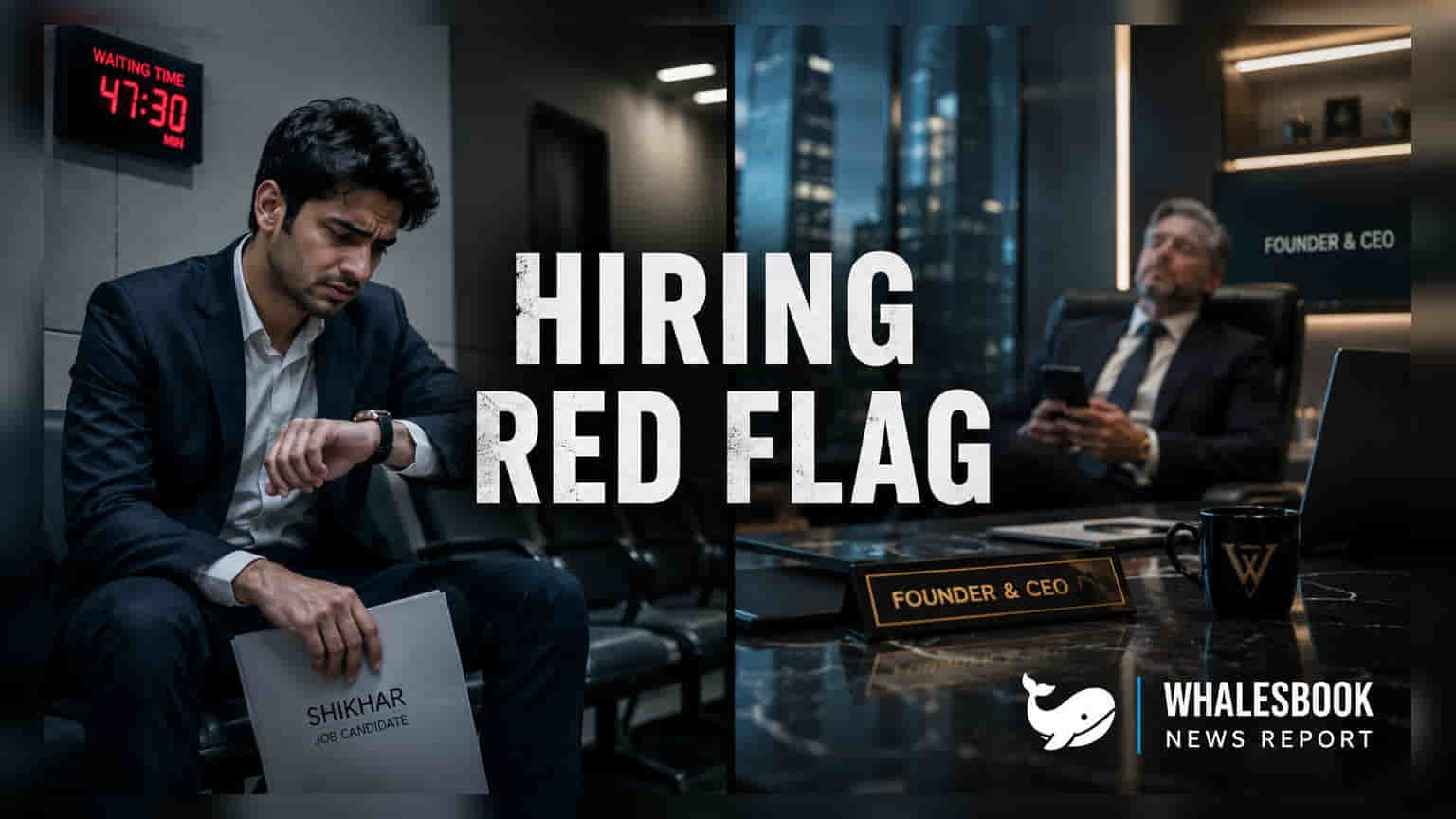
A viral post by a startup founder highlights how missing simple professional courtesies, like apologizing for delays, can signal deeper cultural issues. For job seekers and investors, such behavioral cues often serve as indicators of leadership quality and organizational health.
What Happened
A startup founder named Shikhar recently shared an experience on social media that has sparked a conversation about professional ethics in hiring. He described being kept waiting for 40 minutes during a job interview by a senior leader, who subsequently failed to offer an apology or acknowledgement for the delay. The post argues that while delays can happen in any busy environment, the lack of basic professional courtesy is a potential red flag that reveals a lack of empathy and respect for others' time.
Why Leadership Conduct Matters for Investors
While this appears to be a matter of workplace etiquette, it carries significance for those looking at company culture. In the startup ecosystem, where human capital is often the most valuable asset, leadership style directly impacts retention, employee morale, and long-term execution capability. A culture that fosters arrogance or dismissiveness can lead to higher turnover of top talent, which in turn creates operational risks for the business. When leadership is perceived as lacking empathy, it may be a precursor to broader governance challenges that investors monitor when assessing the sustainability of a startup.
The Relationship Between Culture and Performance
Management experts often note that the "tone at the top" sets the standard for the entire organization. When founders or senior executives display poor interpersonal habits, it often filters down into the company's hiring practices and employee management. A pattern of disregarding time or failing to value stakeholders—whether they are candidates, employees, or partners—is frequently cited in case studies of organizational decline. For investors, evaluating the "soft side" of leadership is a component of assessing the risk of future management churn.
What Investors Should Track
Investors looking at early-stage or growing companies often analyze more than just balance sheets. Key monitorables include employee retention rates, feedback from current and former staff on professional platforms, and the general public reputation of the founding team. High attrition rates among senior leadership or consistent negative feedback regarding workplace culture are often early warnings that require deeper due diligence before committing capital to a venture.