

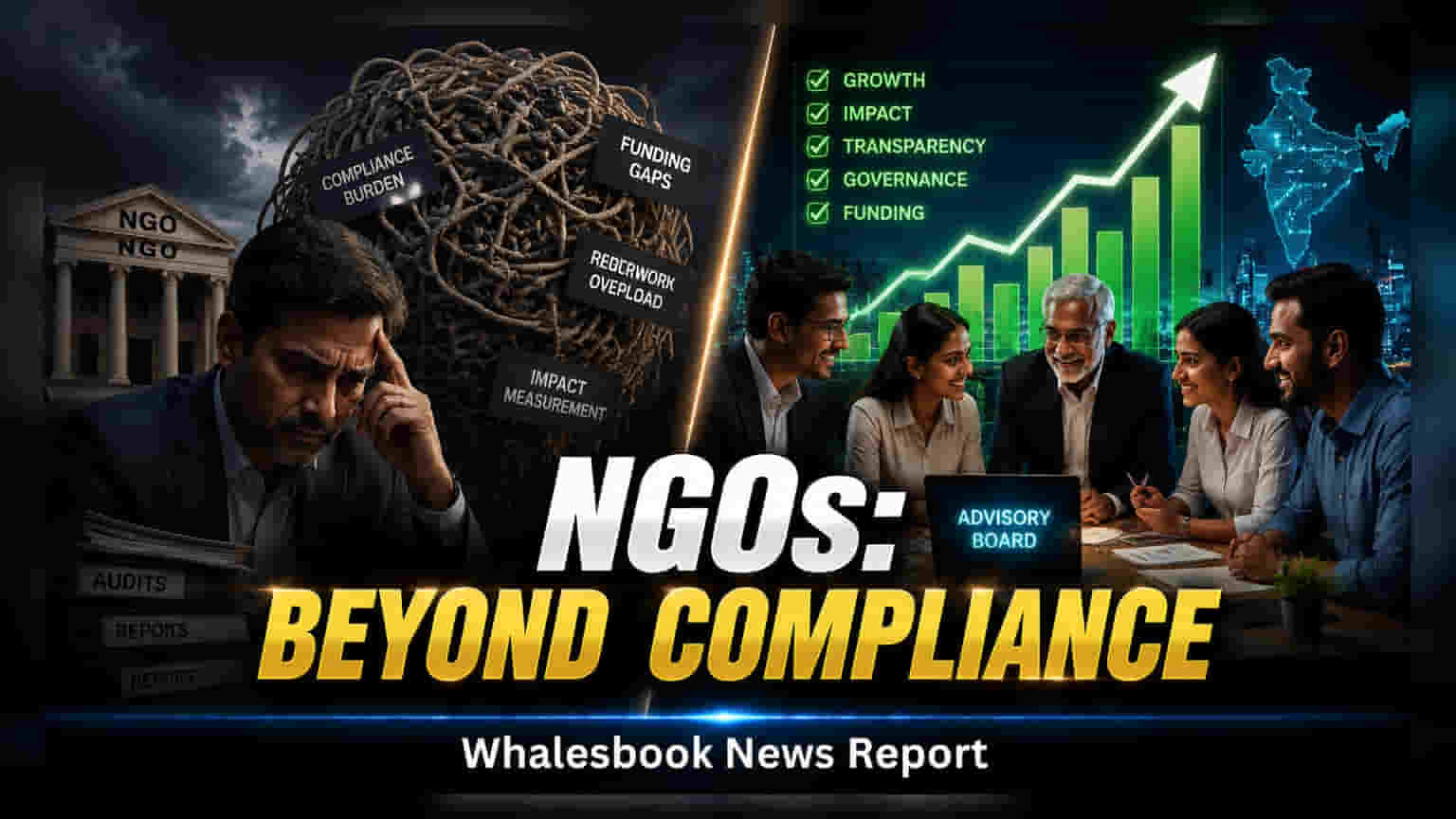
Indian non-profits are increasingly forming advisory boards to bridge the gap between regulatory compliance and strategic growth. By bringing in outside experts, these organizations aim to navigate funding challenges and operational complexities more effectively. This shift allows leadership to focus on long-term strategy while maintaining the stability provided by their existing governing boards.
Indian non-profit organizations often face a difficult balancing act. Leaders are frequently caught between the immediate demands of regulatory compliance and the need to drive long-term impact in an environment defined by changing funding patterns and operational hurdles. While traditional governing boards are essential for financial oversight and legal accountability, their primary focus on fiduciary duties often leaves little room for the kind of deep, agile strategic guidance required for significant growth.
Transitioning to a Two-Tier Structure
To fill this strategic void, a growing number of Indian NGOs are adopting a two-tier governance model. This approach separates the formal governing board, which acts as a gyroscope to ensure institutional stability and risk management, from a newly integrated advisory board. These advisory boards function as specialized 'brain trusts.' Instead of being tasked with compliance, these members provide high-level expertise in critical areas such as technology, fundraising networks, operational scaling, and human resources. This separation allows the organization to benefit from expert perspectives without burdening these professionals with the legal and formal responsibilities of a traditional board seat.
Strategic Alignment and Best Practices
Research from 2025 by ILSS and Antara Advisory suggests that for this model to be effective, it must be highly curated. The research indicates that organizations often fail when they prioritize prestige over specific skill-based needs. Successful implementation involves identifying clear organizational gaps first, followed by a 'courtship' period to ensure alignment in values and commitment before formalizing the engagement. Global practices identified by the Advisory Board Centre underscore that these bodies should remain flexible, evolving their composition as the organization’s needs shift from early-stage development to expansion or maturity.
Investor and Donor Perspective
For donors and those monitoring the impact of social sector spending, the professionalization of NGO governance is a key monitorable. Organizations that can effectively leverage advisory expertise often demonstrate better resilience when facing sectoral pressure or sudden funding shifts. As the non-profit sector in India moves toward higher accountability and output-driven results, the ability of these institutions to manage their human capital and strategic direction will determine their long-term sustainability. The key for observers will be how these organizations balance the cost of building these structures against the efficiency gains in fundraising and program delivery.