 Whalesbook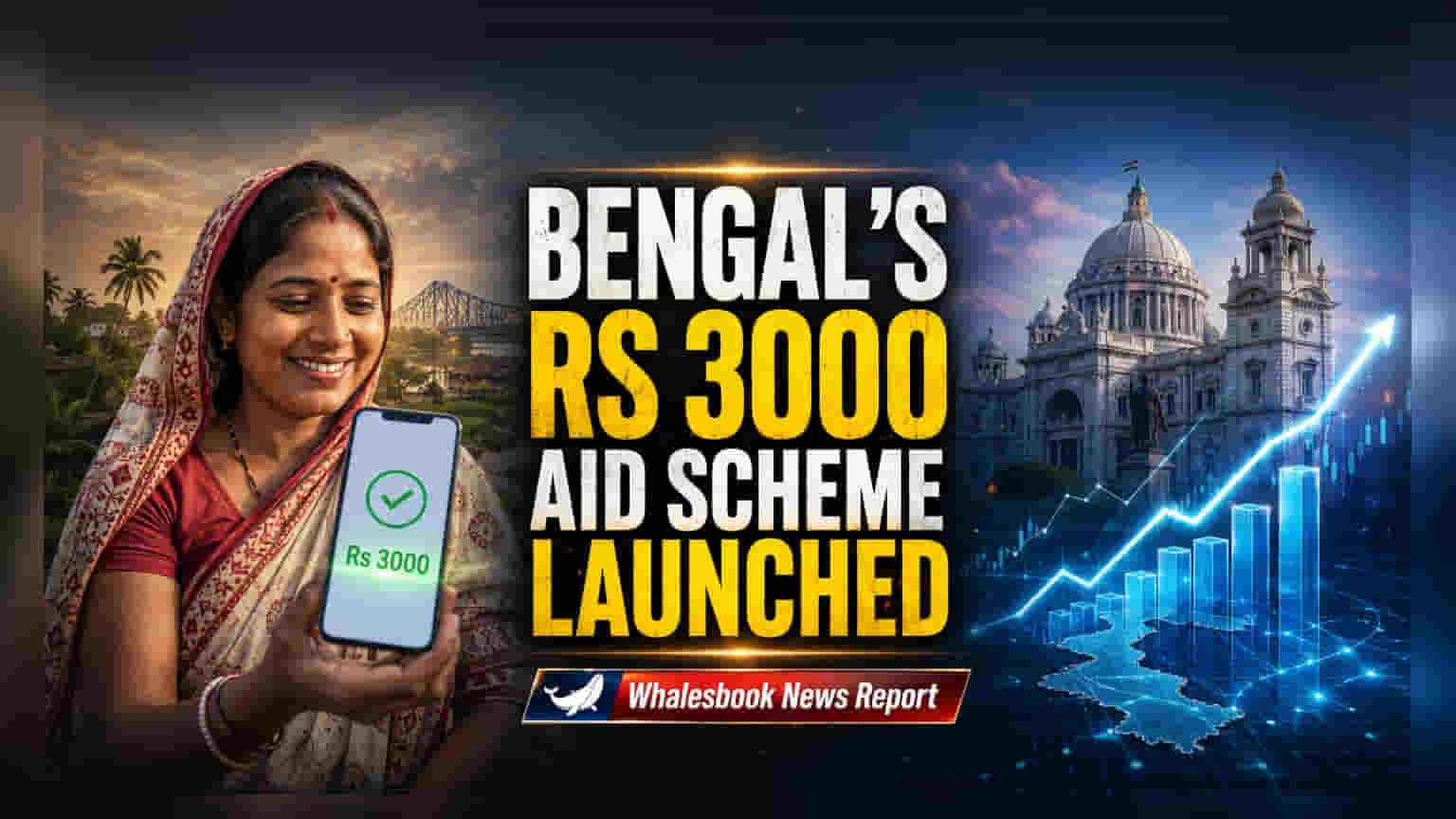


Fiscal Impact and State Finances
The Annapurna Scheme, set to launch on June 1, will provide eligible women with Rs 3,000 monthly through Direct Benefit Transfer (DBT). While the initiative aims to boost the state government's support at the grassroots level, it introduces a significant recurring financial liability. Economically, such direct cash infusions typically stimulate local demand but can limit funds available for capital projects. Questions remain whether this will cause inflation in rural areas or help offset wage stagnation.
Administrative Challenges and Database Management
Integrating the Annapurna Scheme with the existing Lakshmir Bhandar program presents administrative hurdles. It is unclear if the new scheme will use current databases or require a new enrollment process. Past experience suggests that a fresh verification drive could lead to a considerable drop in beneficiaries. Scaling DBT systems to millions of users can create bottlenecks, and any issues with Aadhaar-linked bank accounts could disrupt payments for vulnerable individuals.
Long-Term Budgetary Concerns
The sustainability of frequent cash transfer programs is a key concern. Unlike investments that can generate future tax revenue, direct aid is pure expenditure. Agencies often view large expansions of welfare nets cautiously because they are difficult to reverse. If West Bengal's tax revenue growth does not keep pace with the scheme's costs, the government might need to cut spending on infrastructure or debt repayment. The state's debt-to-GSDP ratio will be crucial for assessing its long-term financial health.
Market and Consumption Effects
Retail businesses, especially those selling fast-moving consumer goods, may see a short-term positive sentiment from this cash injection. The actual economic impact hinges on how quickly the money is spent. If beneficiaries use the funds for immediate purchases, local sales could increase temporarily. However, if the money is primarily used to pay off existing debts, the broader economic stimulus might be limited. Future details on eligibility and rollout plans will clarify the scheme's impact on the state's socioeconomic stability.