

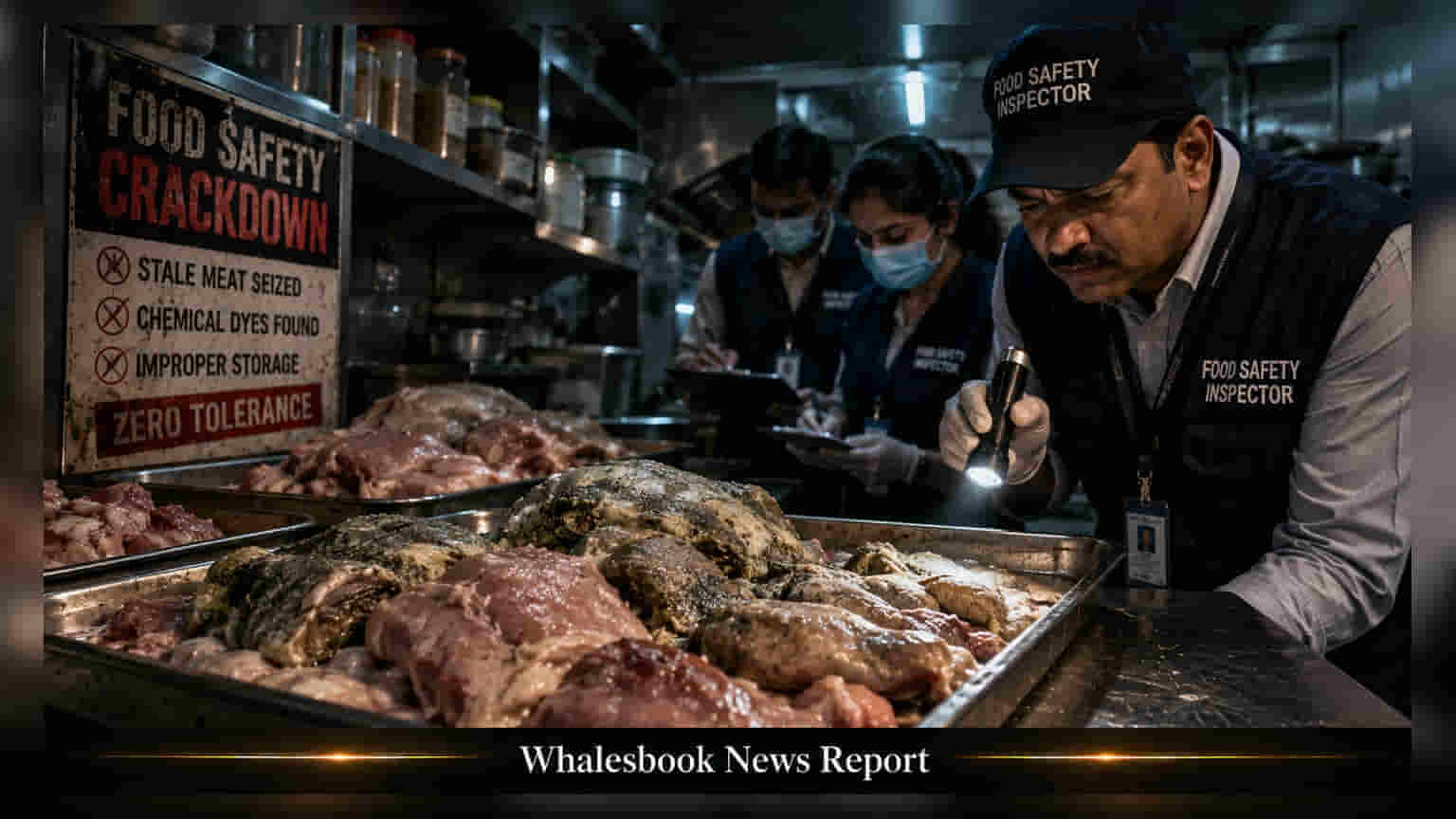
West Bengal authorities have ramped up inspections in Kolkata, seizing unsafe food items from various eateries ahead of the busy Durga Puja festival. While the crackdown currently targets unlisted, local outlets, the increased regulatory focus highlights a shift toward stricter food compliance that could affect operational costs across the hospitality sector.
West Bengal officials have launched a strict, state-wide food safety drive across Kolkata, seizing hundreds of kilograms of stale meat and products containing hazardous chemical dyes. These raids are occurring as the state prepares for the upcoming Durga Puja festival, which is historically a peak season for restaurant footfall and consumer spending on dining.
The crackdown has focused on popular dining districts, including Tangra and various commercial food hubs. Inspectors documented significant violations, such as improper cold storage and the use of industrial pigments to color food items. As a result, several establishments have received show-cause notices or face temporary closures, with authorities adopting a zero-tolerance policy to protect public health during the festive period.
For the broader restaurant and hospitality industry, this development highlights the growing importance of supply chain transparency and regulatory compliance. While these initial enforcement actions largely target independent and unorganized eateries, they set a clear precedent for higher safety standards across the region. For organized food chains and established brands, maintaining strict quality control and traceable supply chains is becoming essential to avoid regulatory penalties and protect brand reputation.
Historical incidents, such as the 2018 food safety concerns in the state, often lead to increased consumer caution and shifts in dining habits. As authorities continue these intensified inspections, food service businesses may face increased operational scrutiny and potential cost increases related to auditing, cold chain management, and regulatory compliance.
The key monitorable for industry observers will be how these stricter regulations influence consumer sentiment. Continued enforcement could potentially drive a shift in market share toward organized, transparent operators capable of demonstrating consistent hygiene standards, as these businesses may be better equipped to withstand higher compliance and auditing costs compared to smaller, unorganized players.