

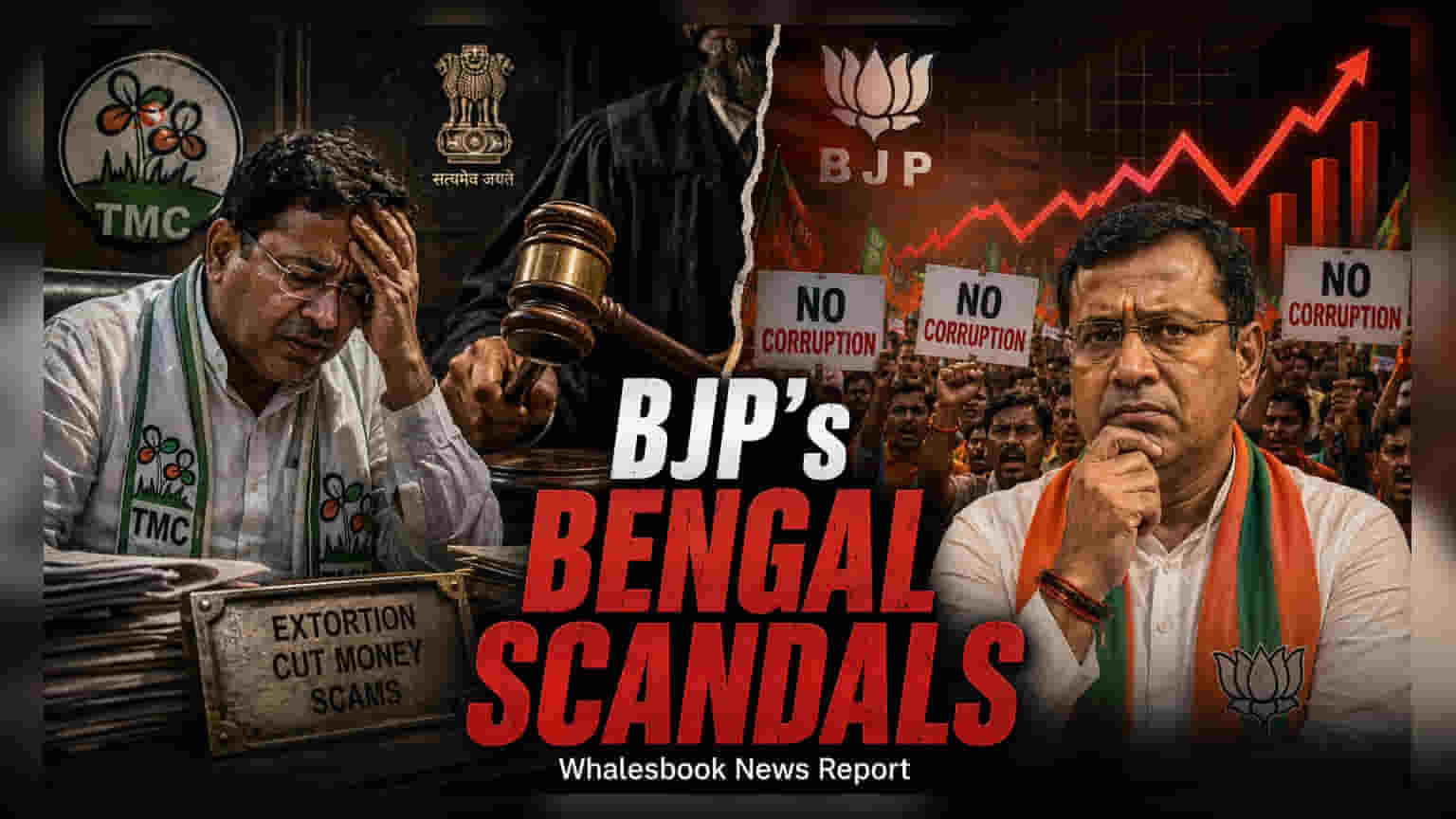
The BJP is working to curb reports of extortion and local interference in West Bengal, citing practices it previously criticized. For investors, this governance challenge is a key monitorable, as the state’s investment climate and ease of doing business rely on the party's ability to dismantle entrenched local networks.
The Bharatiya Janata Party (BJP) is navigating a complex governance transition in West Bengal. Months after forming the government, the party is actively trying to address internal challenges where grassroots members are reportedly adopting practices—such as extortion and the collection of 'cut money'—that the party had previously campaigned against during its opposition years.
Governance Risk and Business Climate
For investors and businesses, political stability and a clear administrative process are essential for long-term operations. The current challenge highlights a risk where the new government relies on existing, entrenched local networks to implement its policies at the panchayat and district levels. Political analysts suggest that this reliance may lead to the continuation of past administrative frictions. If local strongmen continue to interfere in business and civic affairs, it creates operational hurdles, potential project delays, and uncertainty for businesses operating in the state.
Internal Disciplinary Actions
The scale of this challenge is reflected in the party's internal response. On August 10, the state BJP leadership suspended 25 workers and issued show-cause notices to approximately 300 members accused of extortion and anti-party activities. State BJP president Samik Bhattacharya has publicly acknowledged that the party is struggling to eliminate these habits among new entrants who were previously accustomed to illicit gains under the prior administration.
The Path Forward
Bhattacharya has stressed a 'zero tolerance' policy for indiscipline, warning district presidents and legislators against overstepping their roles or acting like local administrators. This internal crackdown is an attempt to define a new governance style distinct from the previous regime. However, the success of this approach remains the primary monitorable for observers.
Ultimately, the ability of the BJP to build and maintain administrative structures that function independently of these local networks will determine the state's governance quality. Investors and businesses will be tracking whether these disciplinary measures lead to a lasting change in the operational environment or if the systemic issues related to local interference persist.