

Entrepreneur Ankur Warikoo has sparked a debate on India’s hiring culture, arguing that companies focus too much on academic credentials over practical skills. This shift toward prioritizing competence is becoming a trend in the job market, influencing how firms across the startup and corporate sectors recruit and assess future talent.
Entrepreneur and content creator Ankur Warikoo has ignited a public discussion regarding how companies in India identify and value talent. He argues that the country suffers from a "label problem," where hiring managers often prioritize prestigious degrees, certifications, or previous corporate associations over actual job-ready skills. This debate highlights a disconnect between traditional recruitment filters and the evolving needs of the modern workforce.
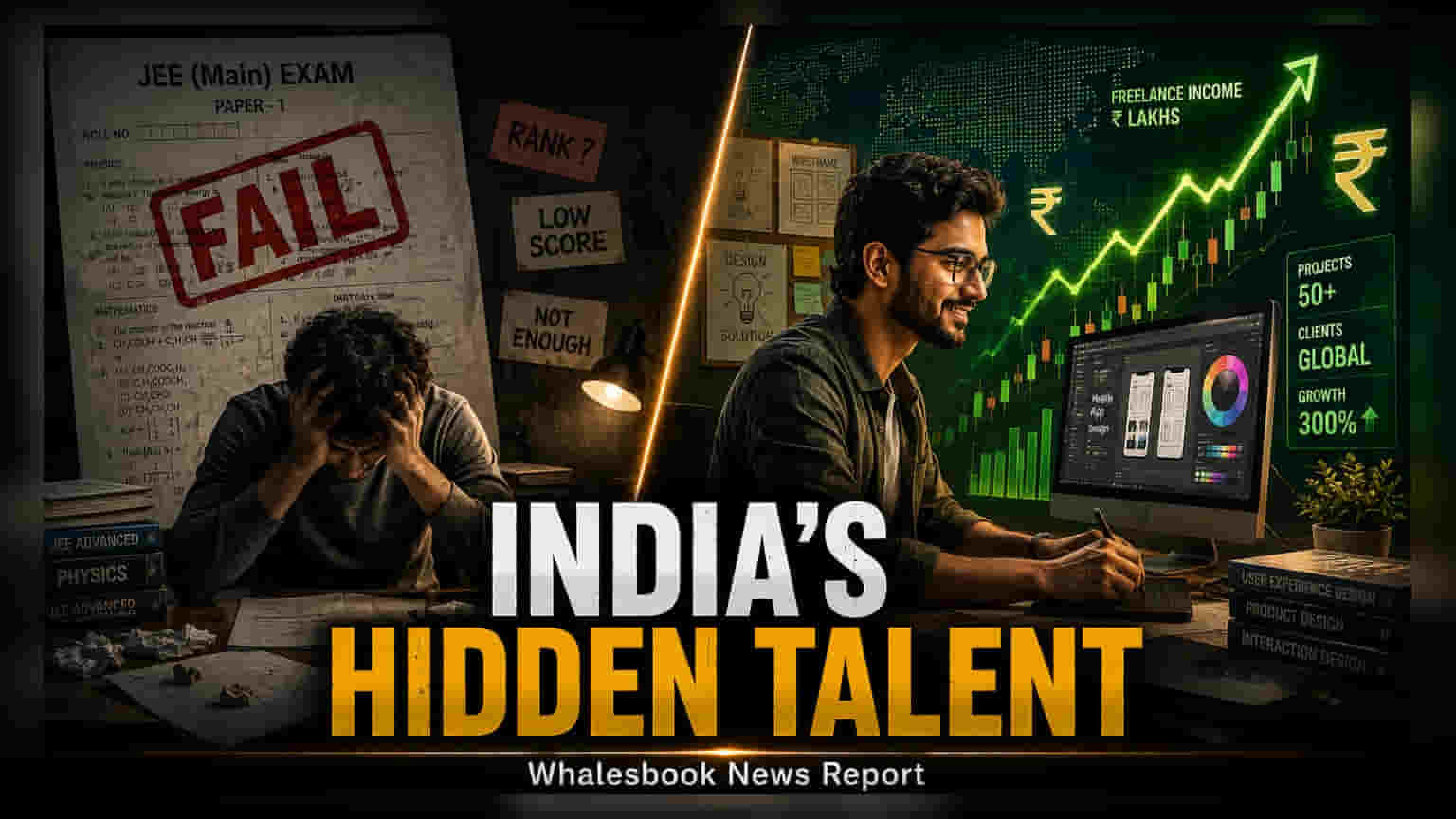
The core of the argument is that many high-potential individuals are being overlooked by recruiters simply because they lack the "right" formal education. Warikoo highlighted the example of a self-taught product designer from Indore who successfully built a lucrative freelance career by learning skills through online tutorials, despite not having an elite engineering background. The argument suggests that reliance on traditional credentials serves as a proxy for talent that may no longer be accurate in a digital-first economy.
For investors and corporate observers, this discussion reflects a significant, ongoing shift in the labor market. Many tech companies and startups are moving toward skill-based hiring models. By focusing on portfolios, project history, and practical assessments, firms aim to reduce training time and increase operational productivity. This change in human capital strategy can impact how efficiently companies scale, as finding the right talent remains a primary challenge for growing businesses.
However, the argument has also faced pushback. Critics of this view often point out that traditional educational paths, such as graduating from top engineering or management institutes, provide structured training and rigorous problem-solving environments that are difficult to replicate. Many companies still rely on these educational markers as a reliable way to filter candidates at scale, especially for complex or leadership-oriented roles where institutional training is viewed as a prerequisite for success.
The real-world application of this debate lies in how companies adapt their recruitment processes. Moving forward, observers may track whether businesses successfully integrate more non-traditional talent and if this shift leads to measurable improvements in innovation and efficiency. The evolution of hiring practices remains a key factor to monitor, as it directly influences how firms build their workforce and compete for productivity in a tightening talent market.