

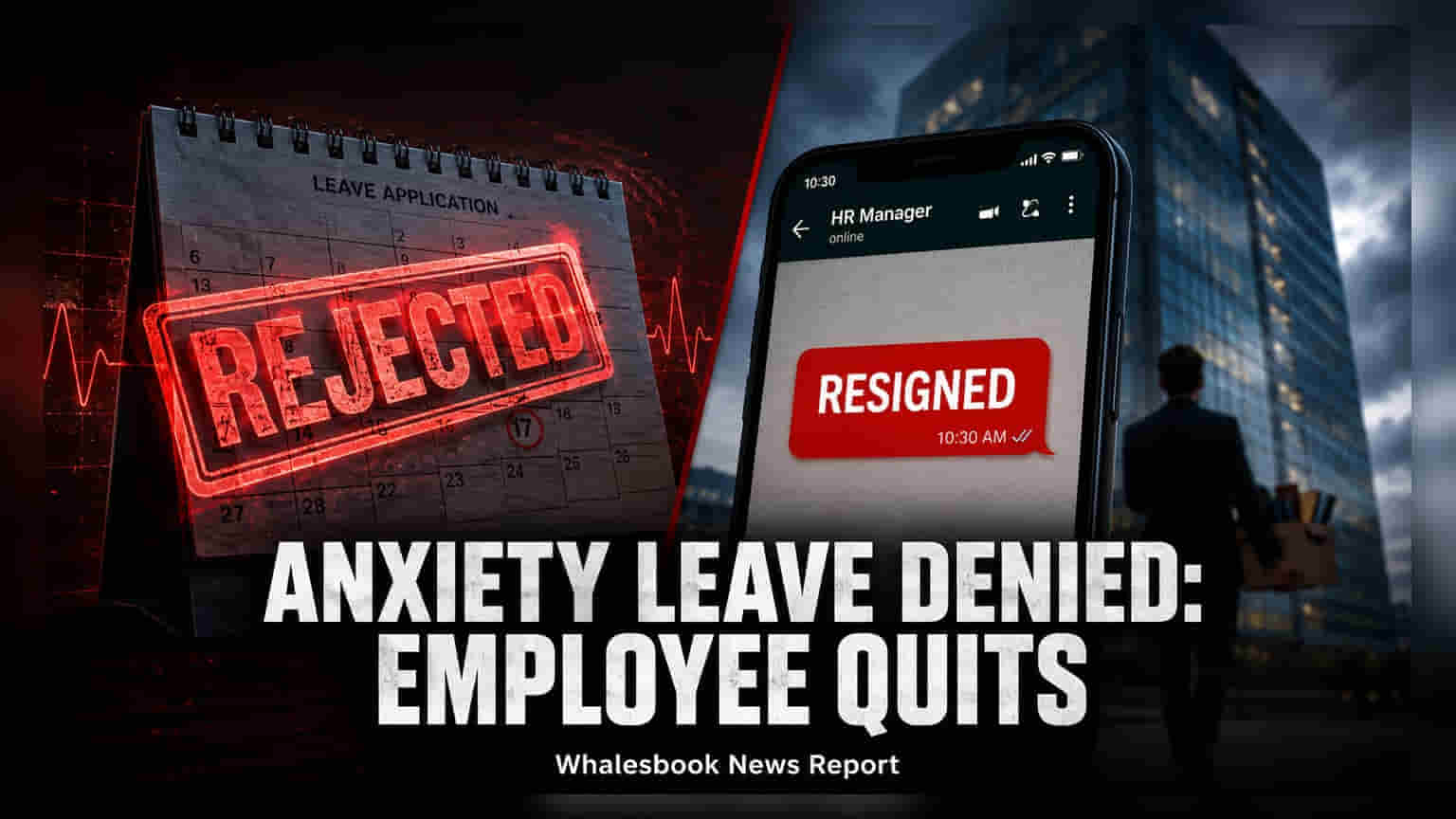
A viral exchange shows an employee resigning via WhatsApp after an anxiety leave request was denied. This incident highlights growing tensions between traditional workplace expectations and modern mental health awareness in Indian corporate culture.
Detailed Coverage
A widely circulated exchange between an employee and their manager has sparked a heated discussion on professional platforms regarding the balance between mental health support and workplace discipline. The incident, which occurred over WhatsApp, began when an employee informed their manager that they could not report to work due to anxiety, noting that they were unable to get out of bed. The manager immediately flagged the timing of the request as unprofessional, noting that it had been sent hours after the workday had officially started.
Conflict Over Professional Norms and Empathy
The situation escalated rapidly, with the employee choosing to resign through the messaging platform. The manager warned that leaving without completing formal exit procedures could lead to the employee being marked as an absconder, which could negatively impact their final settlement and future experience letters. The employee, however, stood by their decision, stating they were unwilling to continue working in an environment they perceived as threatening.
This incident has polarized opinions among professionals. One school of thought criticizes the employee for failing to follow basic professional protocols, such as providing timely notice for leaves, regardless of the underlying health reason. Critics of the employee's approach argue that operational commitments must be respected to maintain team productivity and client service standards. From this viewpoint, the employee's delay in communication created an unnecessary burden on the rest of the team.
Management Culture Under the Microscope
Conversely, a significant portion of the discourse has focused on the manager's response as a reflection of a rigid or potentially toxic workplace culture. Many commentators argued that the immediate resort to threats regarding exit formalities and the 'absconder' label demonstrates a lack of empathy and a mechanical view of human resources. Proponents of this view suggest that modern companies that prioritize mental well-being and open communication are better equipped to retain talent than those that demand blind adherence to legacy service protocols.
This event underscores a broader shift in the Indian workplace where the expectations of a younger workforce are increasingly clashing with established traditional management styles. While the specific incident is an isolated personnel matter, it reflects a growing pressure on organizations to formalize their mental health policies. Investors and business observers are increasingly monitoring how companies manage their human capital, as high turnover rates and poor employee relations can lead to execution risks, lower productivity, and damage to a company’s reputation. The long-term impact on a company's ability to attract and retain skilled talent often depends on how effectively leadership balances professional discipline with a supportive work environment.