

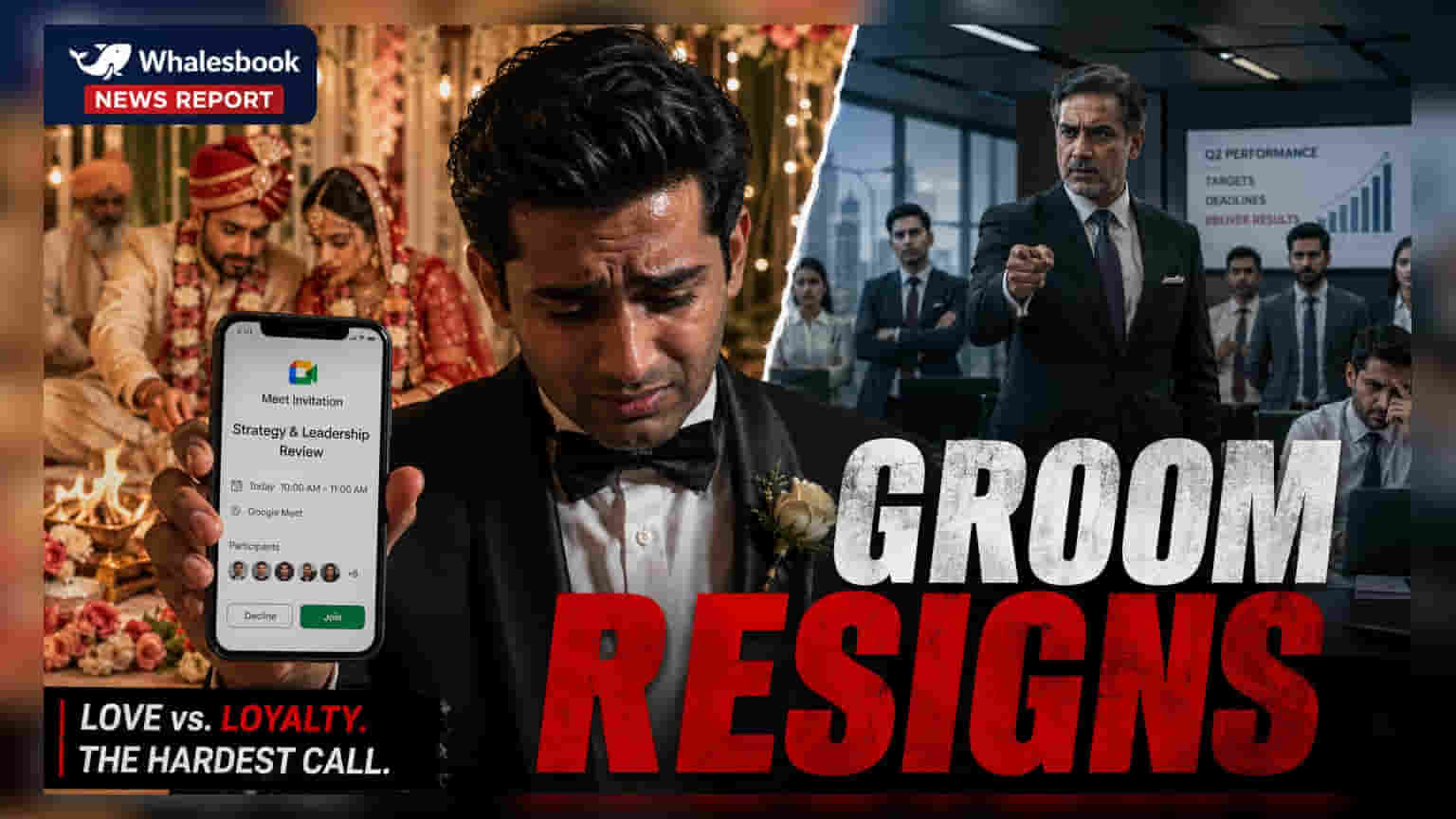
A viral resignation involving a denied wedding leave request has sparked debate on workplace culture. Investors often assess such incidents for potential human capital and governance risks, as management style and employee retention can directly impact long-term operational efficiency and brand value.
What Happened
A recent resignation has gone viral, sparking intense debate about workplace expectations. An employee submitted his resignation after his request for leave for his own wedding was denied by his manager. In a surprising turn of events, the manager reportedly suggested that the employee attend his own wedding through a Google Meet call. The resignation email, which stated, "Unfortunately, that wouldn't be possible. I'm the groom," has since circulated widely on professional platforms like LinkedIn, bringing the issue of management sensitivity and personal boundaries to the forefront of corporate discussions.
The Business Cost of Management Culture
While this specific incident may seem like a social media trend, it highlights a crucial aspect of business operations: Human Capital Management. Companies often struggle with maintaining a culture that balances productivity with employee well-being. From an investor's perspective, leadership and management style are critical indicators of operational health. A disconnect between leadership and staff can lead to high attrition, reduced employee morale, and a loss of institutional knowledge. When employees feel unheard or disrespected, productivity often suffers, and the cost of recruiting and training replacements can impact the company’s bottom line.
Why Human Capital Matters to Investors
Investors increasingly look at "Social" factors when evaluating a company's performance, which falls under the broader ESG (Environmental, Social, and Governance) framework. A company’s ability to attract and retain top talent is a major competitive advantage. If a firm develops a reputation for a toxic or inflexible work culture, it may find it harder to hire skilled professionals or may see higher turnover rates compared to its peers. High turnover creates a continuous drain on resources, as companies spend significant time and money on hiring and onboarding new staff to fill roles left by departing talent.
The ESG and Brand Lens
In the age of social media, corporate behavior is more visible than ever. Incidents that reflect poorly on management can quickly turn into public relations challenges, affecting brand reputation. For consumers and potential partners, these signals are often viewed as indicators of how a company handles broader governance issues. If management demonstrates a lack of empathy or awareness in day-to-day operations, it can raise questions for investors about the robustness of the company’s internal governance and decision-making processes.
What Investors Can Track
Investors typically look beyond the balance sheet to understand the long-term sustainability of a business. Key indicators that savvy observers track include employee engagement scores, management stability, and feedback on professional platforms. While one isolated incident does not define a company, persistent reports of poor management culture, high attrition rates, or negative feedback regarding workplace environment are often warning signs that deserve attention. When evaluating a business, investors often monitor whether the management is fostering a sustainable work environment that supports long-term growth and stability.