

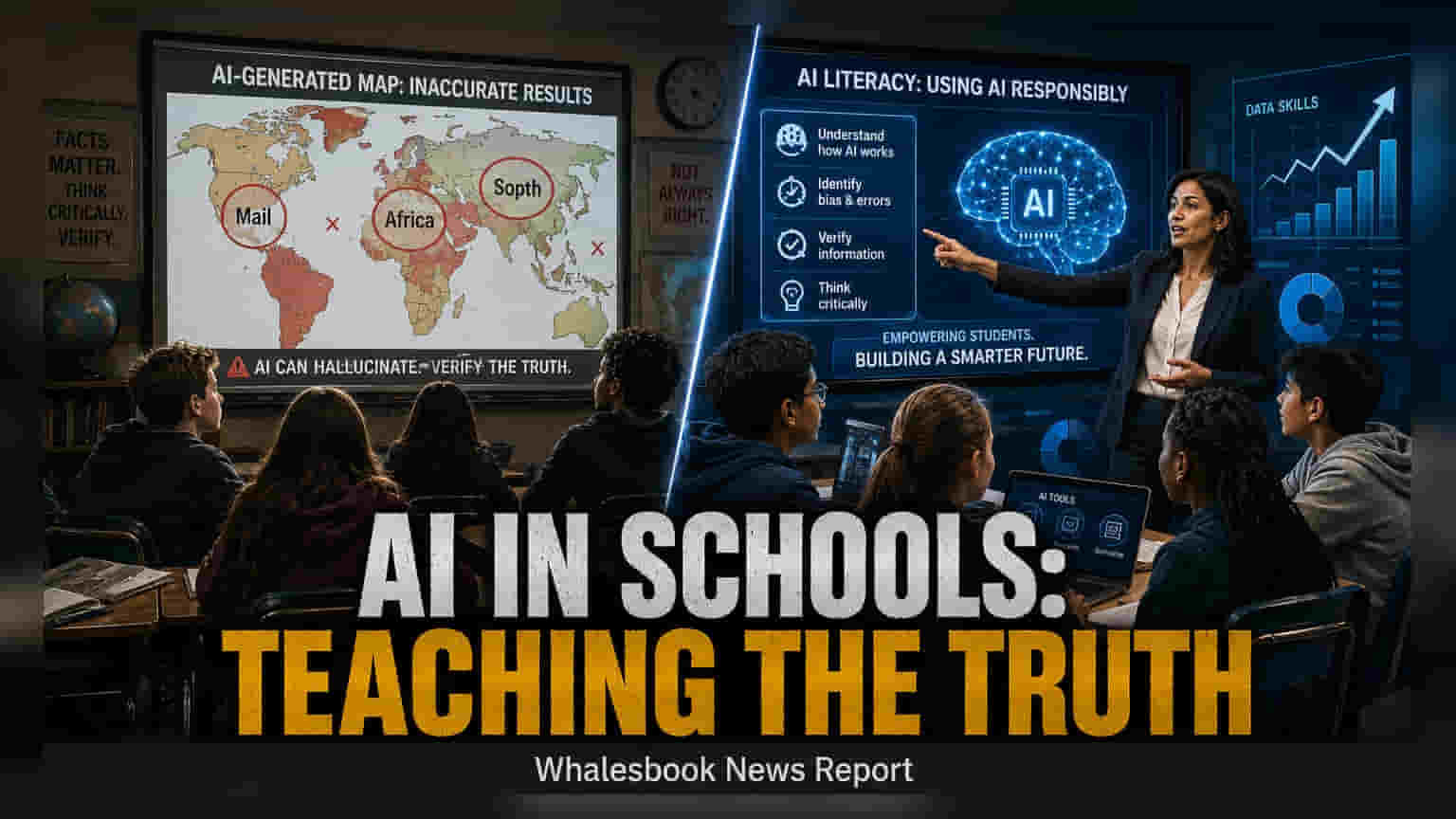
US public schools are transitioning from banning artificial intelligence to integrating AI literacy into their core curriculum. This strategic shift is creating new demand for specialized educational software and teacher training services, prompting investors to monitor the evolving opportunity for EdTech providers and the associated data privacy requirements.
Public schools in the United States are undertaking a significant policy shift, moving away from blanket bans on artificial intelligence to the active integration of AI literacy into the classroom. This transition aims to prepare students for a future where these technologies are common, while simultaneously teaching them the technical limitations of AI, such as the tendency for chatbots to generate incorrect information, often referred to as hallucinations.
The Shift Toward AI Literacy
The focus is now on equipping students with the skills to use AI tools critically rather than avoiding them entirely. Educators are utilizing classroom exercises to demonstrate how chatbots function and where they fail. By exposing students to the flaws in AI-generated content, schools hope to foster better analytical skills. This pedagogical change is supported by federal guidance, including efforts from the U.S. Department of Education, which encourages the adoption of AI for personalized learning and administrative efficiency.
Investor Angle: Demand for Safe EdTech
This movement represents a potential shift in the business environment for education technology companies. As school districts formalize their AI policies, the demand for vetted, secure, and pedagogically sound software is likely to grow. Schools are no longer just looking for generic chatbots; they require platforms that provide training modules, ensure data privacy, and fit within established academic frameworks. For service providers, this creates a market for curriculum design and teacher training programs that address the specific needs of K-12 education.
Risks and Market Hurdles
The rapid adoption of AI in schools carries specific risks that investors should recognize. Data privacy remains a primary concern, as schools must ensure that student information is not compromised when using these platforms. Furthermore, the financial burden of implementing new AI tools and training can be substantial. This creates a risk of a digital divide, where only well-funded districts can afford the necessary infrastructure, potentially limiting the total addressable market for EdTech providers focused on public education.
Additionally, there is lingering skepticism. Surveys suggest that a notable portion of educators and parents still favor stricter limitations on AI use due to fears regarding academic integrity and the impact on core cognitive development. Should these concerns lead to restrictive legislation, it could affect the adoption rate of AI tools in certain regions.
Investors may monitor the ongoing development of AI usage policies in the U.S., as these standards often influence international educational practices. The next important update to watch will be the emergence of standardized privacy and curriculum guidelines, which will determine which providers are best positioned to capture market share in this developing sector.