

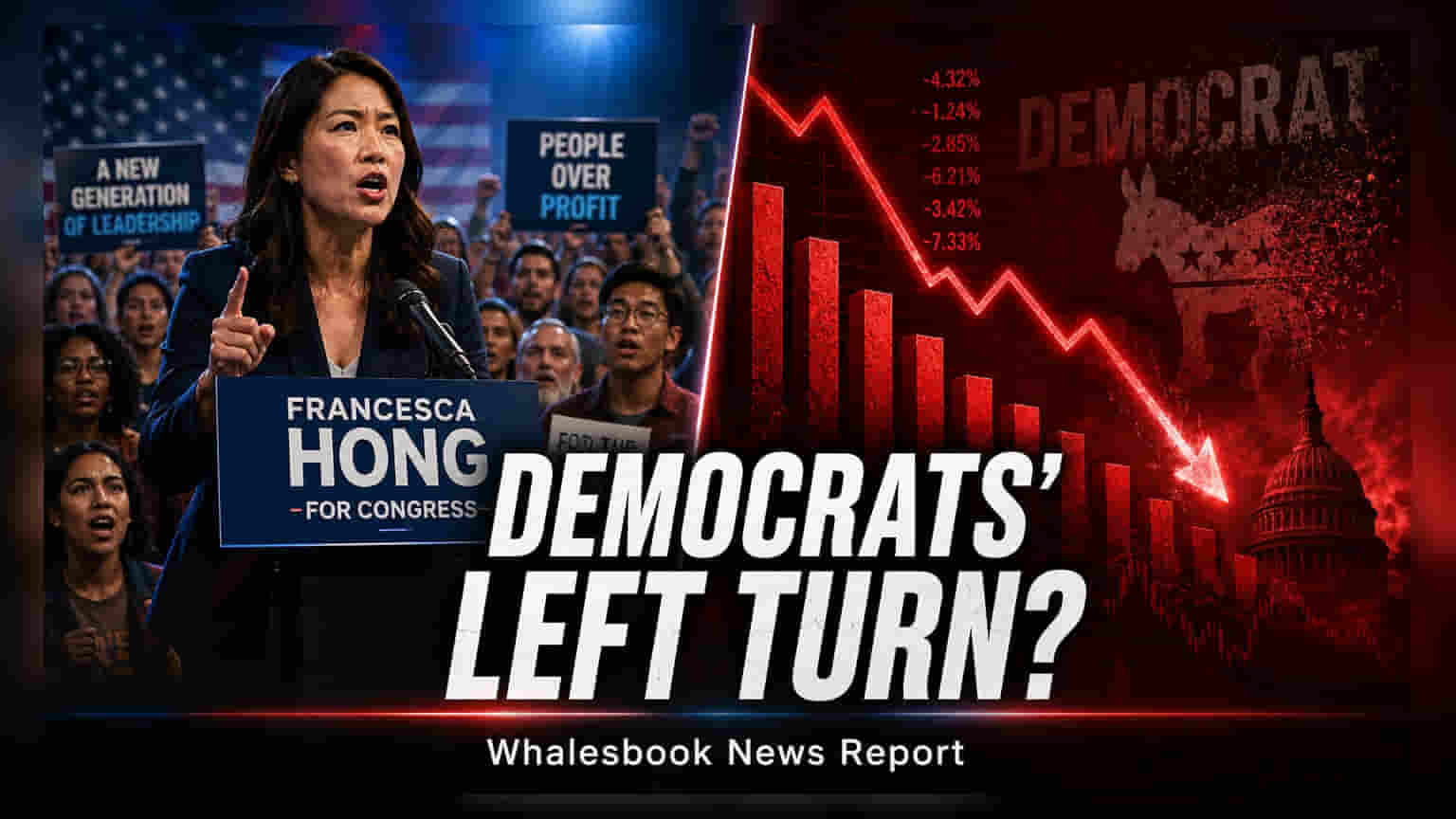
Wisconsin and Minnesota host key Democratic primaries today, spotlighting the struggle between progressive and establishment wings. With millions in outside spending complicating the races, the results may signal a shift in political strategy ahead of November. For global investors, the outcomes provide clues regarding future US policy, trade relations, and the level of political stability in the world's largest economy.
On August 11, 2026, Wisconsin and Minnesota are holding critical Democratic primary elections that serve as a litmus test for the party's ideological direction. The outcomes of these races are being watched closely for the signal they send regarding the party's platform ahead of the decisive November general elections. For the global investment community, these political developments offer insights into the potential stability of the US government and the direction of future policies.
In Wisconsin, the race for the gubernatorial nomination has become a focal point of internal party tension. The contest features a direct clash between Francesca Hong, who represents the progressive wing, and David Crowley, the Milwaukee County Executive who holds the backing of outgoing Governor Tony Evers. The race has drawn significant attention due to aggressive external influence. According to reports, the Republican Governors Association has funneled approximately USD 3.6 million into the state, primarily through the Right Direction Wisconsin PAC. The goal of this spending is reportedly to boost Hong, with the belief that she may prove to be a more beatable opponent for the Republican candidate in the November general election.
Simultaneously, Minnesota is conducting its own high-stakes Senate primary. Incumbent U.S. Representative Angie Craig, generally viewed as a more moderate candidate, is competing against Lieutenant Governor Peggy Flanagan, who aligns with the progressive faction. This contest is shaped by voter sentiment on significant national issues, including immigration policies that have been a central theme during the current presidential term. While local party leadership has attempted to remain neutral in various capacities, the endorsement patterns—with figures like Bernie Sanders and Elizabeth Warren supporting the progressive candidate, and Hakeem Jeffries and Nancy Pelosi backing the moderate—highlight the deep ideological divide.
The broader investor implication lies in the concept of electability. Party leaders have expressed concerns that a sharp move toward progressive policies could alienate swing voters in key regions. Conversely, the progressive wing argues that their platforms are essential for energizing the base. As these races conclude, the results will help clarify whether the energy currently propelling progressive candidates will translate into broader success or if it increases the risk of losses in the November general election. Market participants often monitor such ideological shifts as they can influence future legislative priorities, regulatory environments, and trade stances, all of which are critical for long-term global economic planning.