

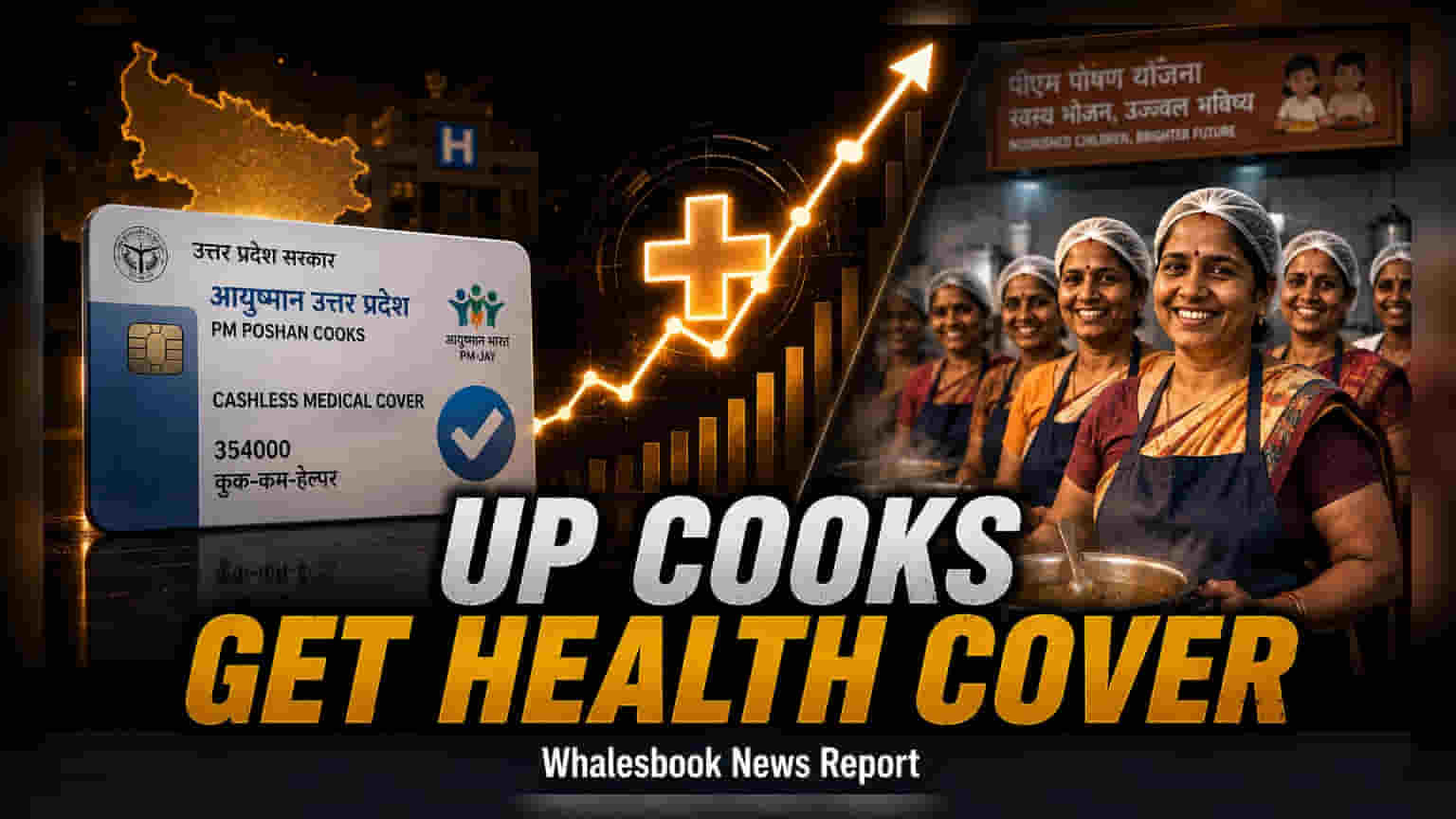
Uttar Pradesh Chief Minister Yogi Adityanath has introduced a new healthcare welfare initiative for 3.54 lakh cooks working in the state’s mid-day meal program. The program provides cashless medical cards to these workers under the PM Poshan scheme. This policy move is part of the state government's ongoing agenda to enhance social security and health protections for frontline workers in the government education system.
Uttar Pradesh Chief Minister Yogi Adityanath announced on August 23, 2026, that the state will provide cashless medical coverage to 3.54 lakh cooks employed under the PM Poshan scheme. This welfare measure is designed to extend financial protection for health expenses to the individuals responsible for preparing nutritious meals in government schools across the state.
The government describes these workers, often referred to as cook-cum-helpers, as essential contributors to the health and education ecosystem. By issuing cashless medical cards, the administration aims to grant these workers direct access to healthcare services, reducing their out-of-pocket expenses for medical treatment. This initiative is being implemented as part of the state's broader effort to provide social security and improve the working conditions of those engaged in public welfare programs.
The PM Poshan scheme, formerly known as the Mid-Day Meal Scheme, is a centrally sponsored program that provides hot cooked meals to children in government and government-aided schools. The cooks play a critical role in the daily execution of this program. This new health cover is an addition to the state's existing welfare policies, which have recently included similar social security expansions for other categories of state personnel and contract workers.
For observers of state-level policy, this announcement highlights the government's approach to social infrastructure spending. While this event does not involve publicly traded companies or impact stock market indices, it underscores the continued focus of state administrations on strengthening social security nets for large segments of the workforce. The implementation and reach of this health coverage will be monitored as a shift toward institutionalizing benefits for frontline community workers in the state.