

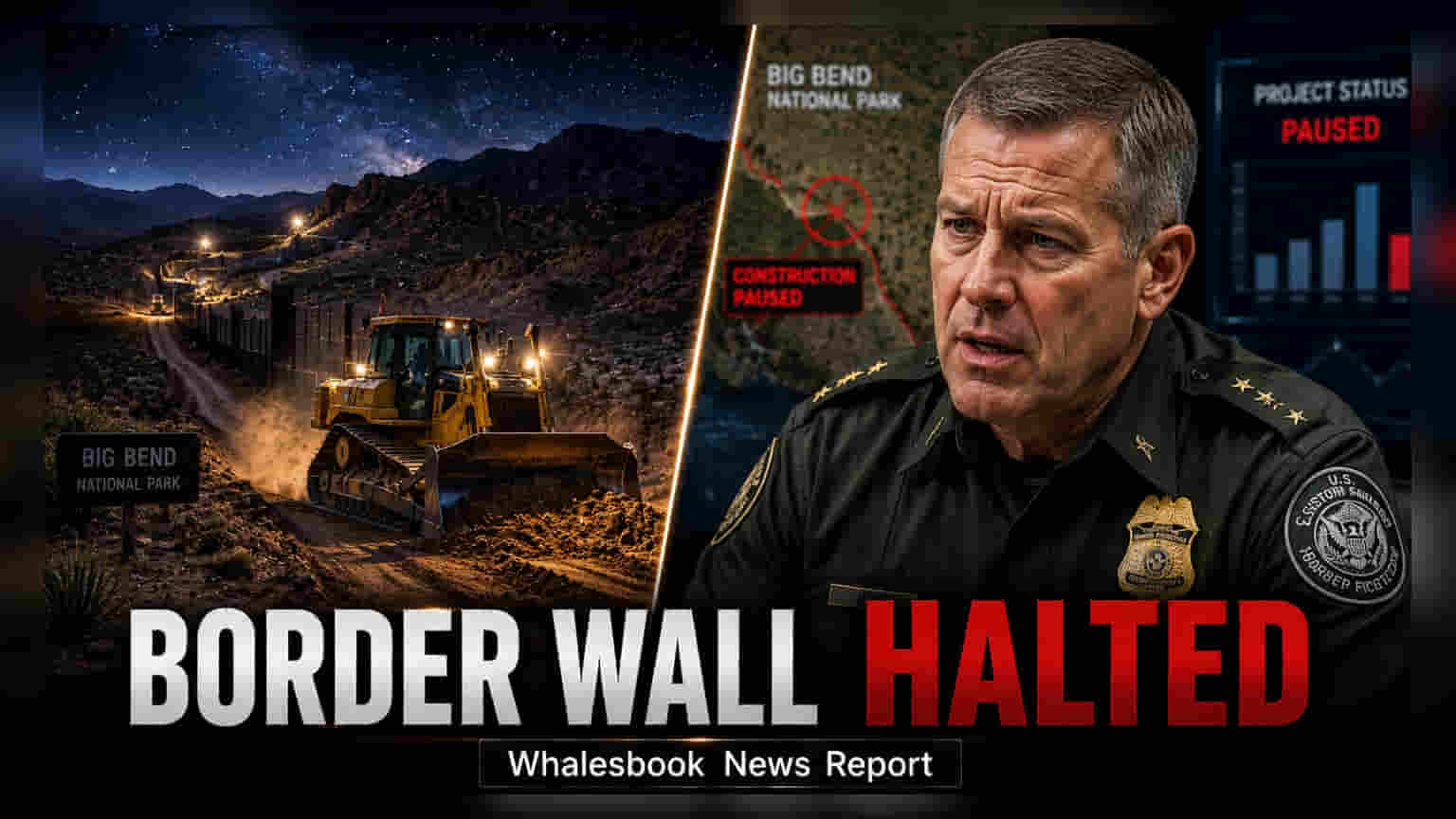
On August 17, 2026, U.S. Customs and Border Protection paused construction in Big Bend National Park following intense bipartisan criticism. The suspension affects ongoing work, including road and surveillance infrastructure, as officials re-evaluate project necessity and environmental impact. This situation underscores how political and local opposition can interrupt public infrastructure plans, introducing uncertainty for related project timelines.
On August 17, 2026, the U.S. government announced a temporary freeze on construction activities within Texas' Big Bend National Park. The decision, led by U.S. Customs and Border Protection (CBP) Commissioner Rodney Scott, comes after growing bipartisan resistance regarding the necessity of the infrastructure and its environmental impact on the protected landscape.
While the administration had previously moved away from plans for a 30-foot bollard wall in this specific region, the current pause targets ongoing construction efforts. This work includes the installation of vehicle barriers, lighting, new road improvements, and buried fiber optic cables. Critics, ranging from local officials to conservation groups, have argued that the region's rugged geography—steep mountains and canyons—already provides a significant natural deterrent to illegal crossings, making such infrastructure largely redundant.
From an investor and economic perspective, this event highlights the inherent execution risks associated with large-scale government infrastructure projects. Even when funding is allocated, projects can face significant delays or cancellations due to changing political priorities, community opposition, or environmental regulatory hurdles. For companies involved in government contracting, such shifts introduce uncertainty. When projects are halted, it can lead to idle resources, increased costs, and potential revenue delays for contractors and suppliers working on the ground.
This pause effectively places the project in a state of limbo while Commissioner Scott conducts an on-the-ground evaluation. The process will involve direct engagement with local leadership and stakeholders to balance national security requirements against the preservation of the park’s natural beauty. For those following the broader infrastructure or defense-related sectors, this serves as a reminder that political and social factors are key risks that can impact the lifecycle of government-funded work.
Investors and observers should track the outcome of the Commissioner’s upcoming site review. The future of this infrastructure will likely depend on whether the administration decides to proceed with the current scope, modify the plan to address environmental concerns, or abandon the remaining work altogether.