 Whalesbook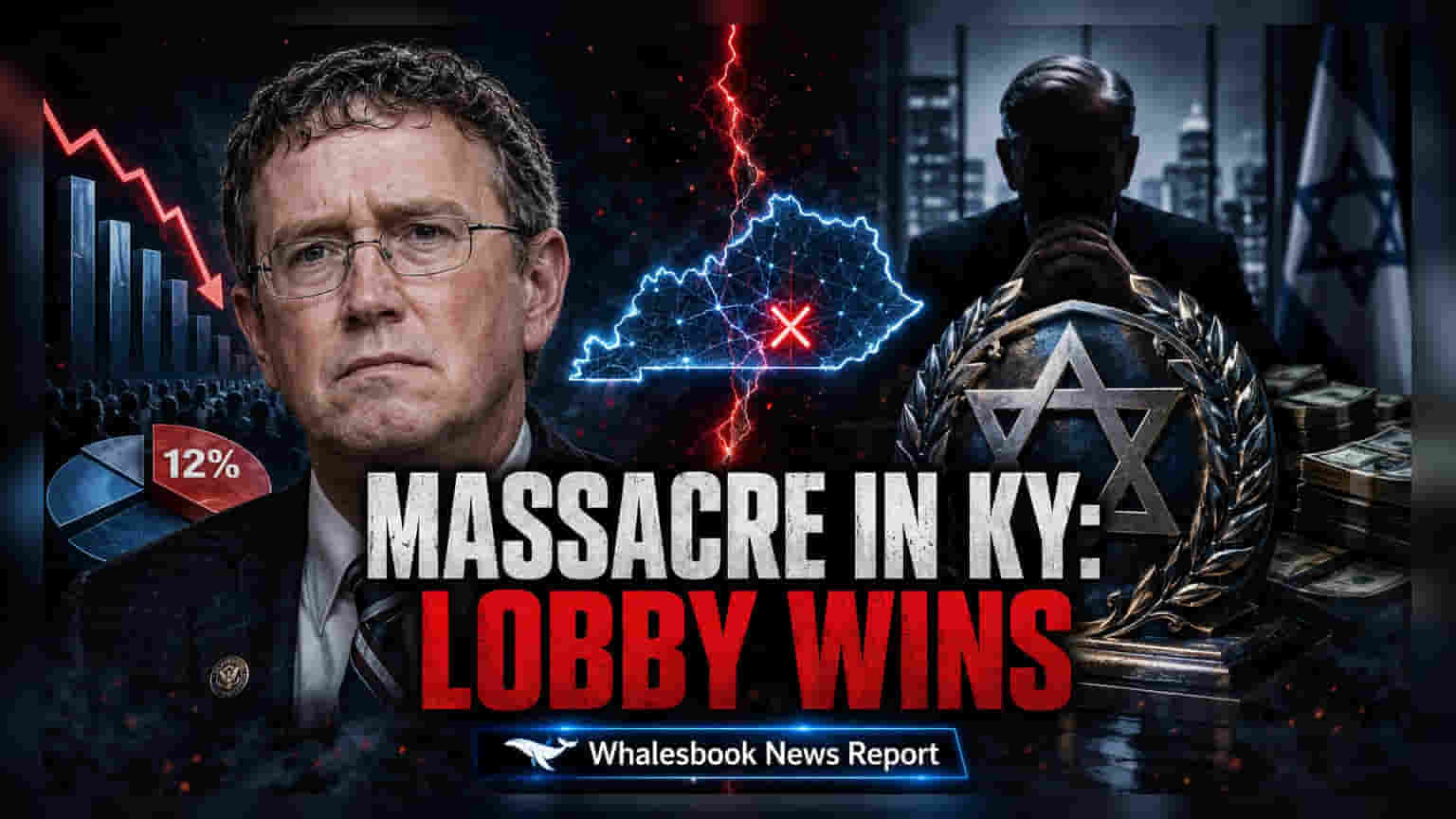


This defeat signifies a major shift in political dynamics, moving beyond a local contest to a national debate on foreign influence and ideological conformity regarding U.S. aid to Israel. The campaign's intensity and the substantial funding for Massie's opponent suggest a potential turning point in how these issues are handled in American elections.
The 'Israel Lobby' Victorious?
Representative Thomas Massie's primary defeat marks a significant win for groups advocating for strong U.S. support for Israel. The campaign, heavily funded by pro-Israel organizations and billionaire donors like Miriam Adelson, targeted Massie for his consistent opposition to foreign aid and his criticisms of pro-Israel lobbying in Washington. The reported tens of millions spent aimed to make an example of Massie, potentially discouraging other lawmakers from similar stances. This outcome could encourage similar efforts in future elections, increasing scrutiny on any politician questioning the established foreign policy consensus.
Generational Divide and Evolving Conservatism
The election exposed a clear generational split within the Republican electorate, with younger voters favoring Massie and older voters supporting his challenger. This demographic difference reflects a broader shift in conservative views on foreign policy and aid. Decades of bipartisan support for Israel have been challenged by increased awareness of the Gaza conflict, especially among younger demographics, whose opinions are now influencing conservative and libertarian circles. This generational change may increase pressure on established pro-Israel lobby networks, such as those run by AIPAC.
Foreign Influence and Voter Reaction
While Massie's defeat can be seen as a win for specific foreign policy views, it also revealed significant voter unease about the extensive influence of foreign-aligned interests in U.S. elections. Many voters saw the race not as a typical primary but as a means to enforce ideological purity on the issue of Israel, punishing dissent. This sentiment could lead to a long-term backlash against such external intervention. Additionally, Massie's issues with documents related to Jeffrey Epstein were reportedly a factor in former President Trump's opposition, adding complexity to the campaign's motivations. Growing calls for organizations like AIPAC to register under the Foreign Agents Registration Act (FARA) highlight an increasing mainstream conservative discourse questioning the extent of foreign influence in domestic affairs.
Future Trends
The intense focus on foreign aid and lobbying in this Kentucky primary could signal future electoral contests. The increased visibility of the Gaza conflict has clearly changed public awareness, potentially leading to more re-evaluation of long-standing foreign policy positions across the American political spectrum. The significant financial investment and prominent involvement of national figures suggest that similar high-stakes battles may occur in other districts where foreign policy is a key issue.